Mallorca’s Ultra-Luxury Return: A Curated Guide to Hotels, Dining and Exclusive Experiences
– 5 min read

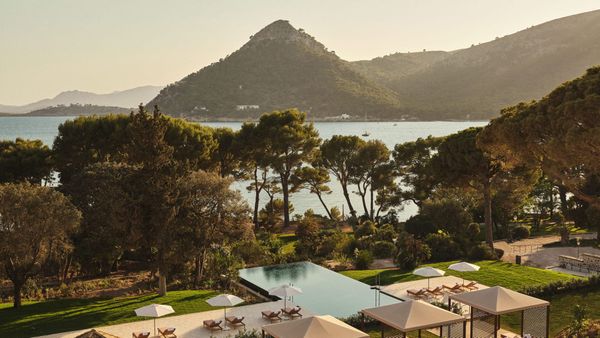
“The best hotels in Mallorca blend seamlessly with timeless classics.” — Condé Nast Traveller
Mallorca’s luxury geography now rests on four distinct spines. Palma holds the island’s urban culture, with a labyrinth of medieval lanes, gastronomy, and discreet boutique stays. The Serra de Tramuntana, a UNESCO World Heritage mountain range, anchors the northwest with stone villages and heritage estates. The Formentor peninsula in the far north offers cinematic seclusion. The southwest coast, from Calvià to Colonia Sant Jordi, concentrates the yachting scene and a wave of contemporary resort redevelopment. This is not the package-holiday Mallorca of memory; a quiet recalibration, driven by restored icons and understated recent openings, has repositioned the island for a more selective traveller.
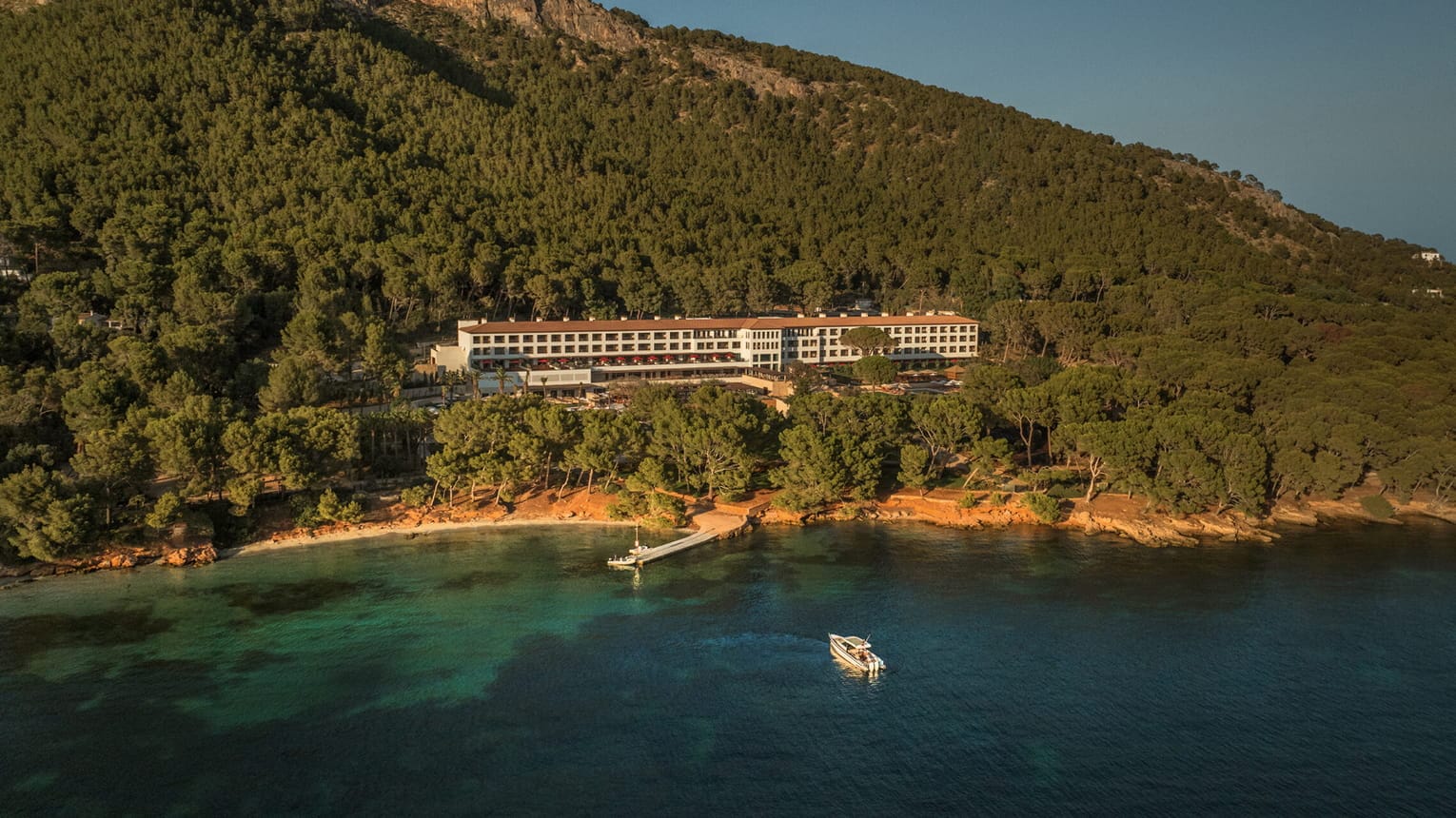
Four Seasons Resort Mallorca at Formentor, Formentor peninsula. 110 rooms and suites on a protected coastal estate spanning around 40 hectares, with a private vineyard, beach, garden spa, and seven gastronomic concepts including three beach restaurants. The original 1929 building has been reworked with a restrained, contemporary hand, preserving its pre-war stance while adding a tennis court and extensive sea-facing terraces.
Best for: travellers who want total seclusion with unwavering service.
Notable for: a self-contained peninsula setting that feels less like a hotel and more like a private coastal enclave.
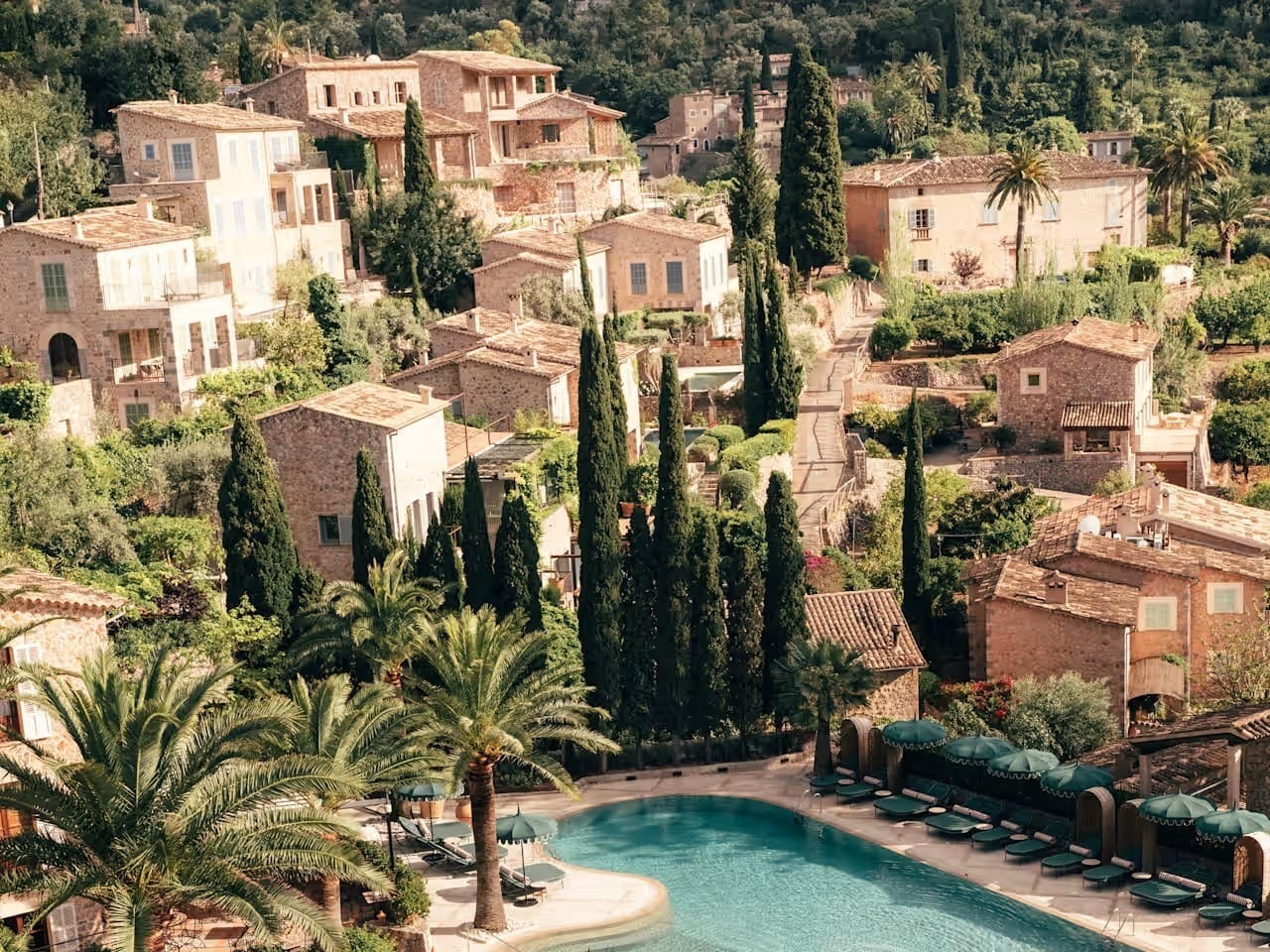
Belmond La Residencia, Deià, Serra de Tramuntana. 71 rooms distributed across 16th- and 17th-century manor houses. The estate holds a permanent sculpture garden with works by Joan Miró, two mountain-facing pools, and a year-round art programme. The kitchen at El Olivo runs on island produce, served on a candlelit terrace overlooking the village.
Best for: those who prioritise silence, landscape, and artistic heritage.
Notable for: a setting that has drawn writers and painters for decades, now paired with highly polished service.
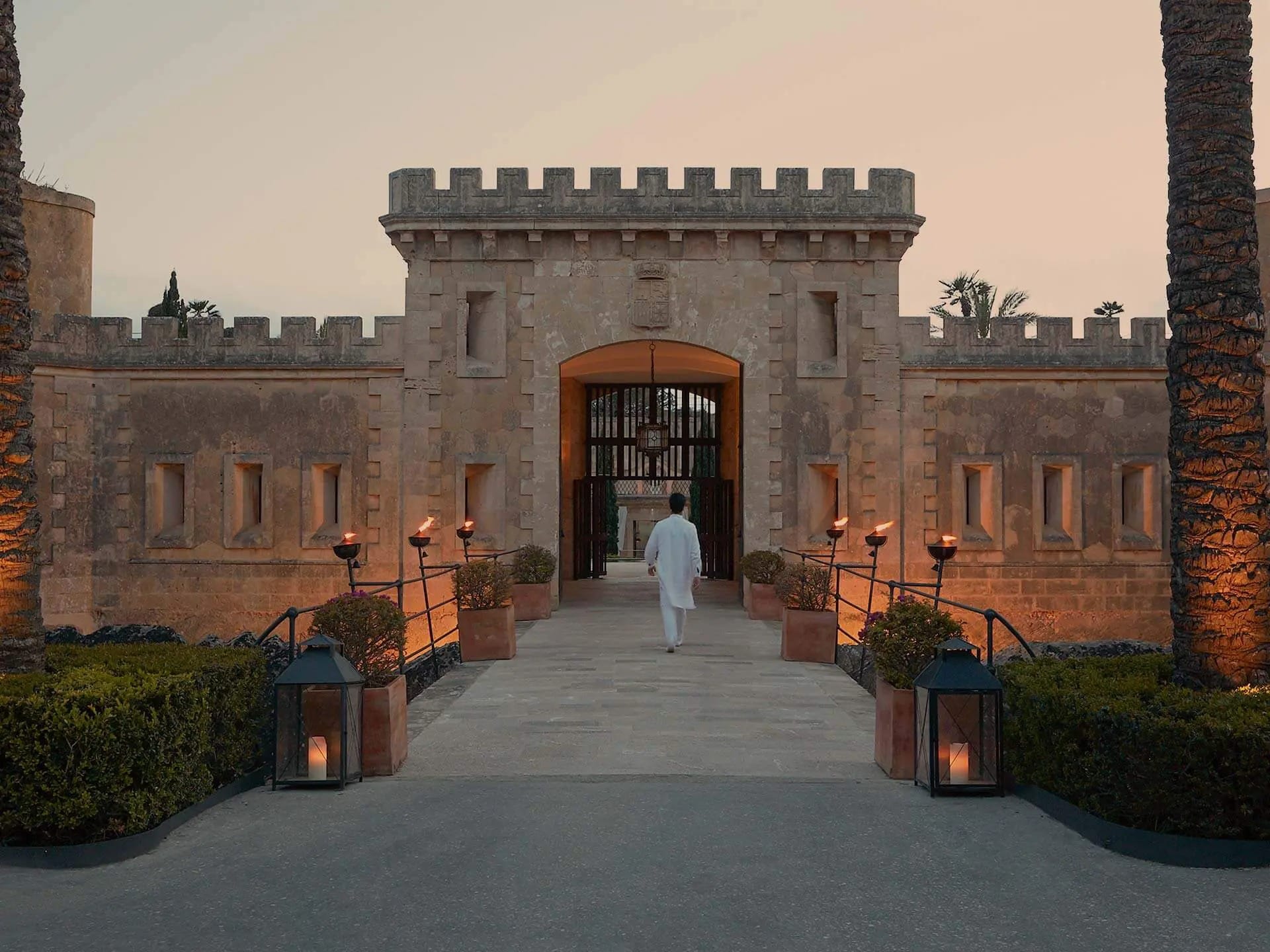
Cap Rocat, Cala Blava, near Palma. A 19th-century fortress carved into sandstone cliffs, converted into around 30 rooms and suites. No children under 15. The sea-facing suites read as monastic in their restraint, each with a private terrace and direct access to a saltwater pool set into the rock.
Best for: privacy-first couples who value architecture over amenity lists.
Notable for: a sense of being completely hidden, yet only 20 minutes by car from Palma airport.
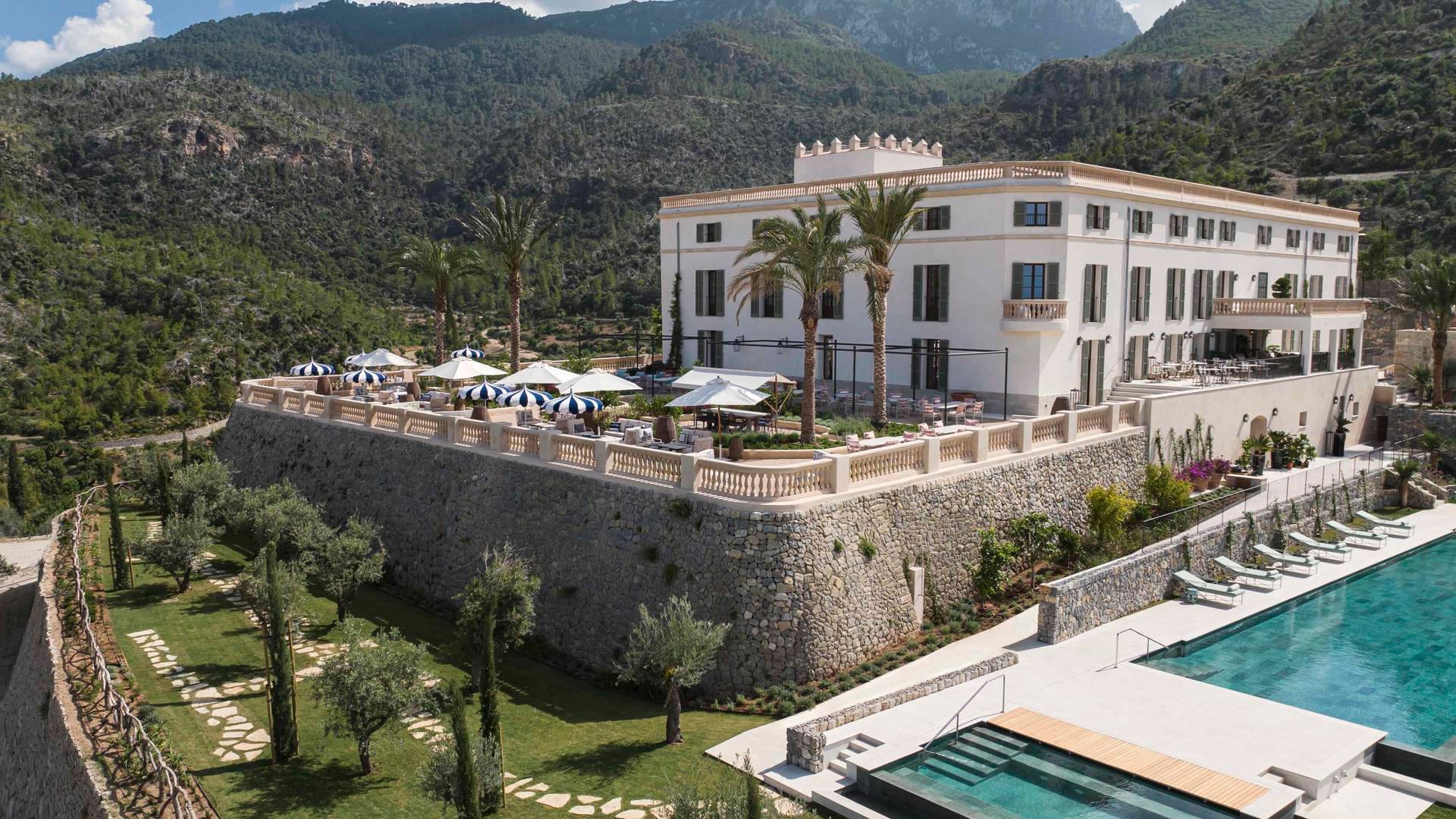
Son Bunyola Hotel & Villas, Banyalbufar, Serra de Tramuntana. A restored 16th‑century finca and three private villas with pools, set on an 810‑acre estate of vineyards and citrus groves. The main hotel holds 27 bedrooms, with interiors that leave the landscape dominant in every window.
Best for: families or groups seeking villa independence with full hotel infrastructure.
Notable for: an uncompromising dedication to the Tramuntana scenery, allowing it to define every space.
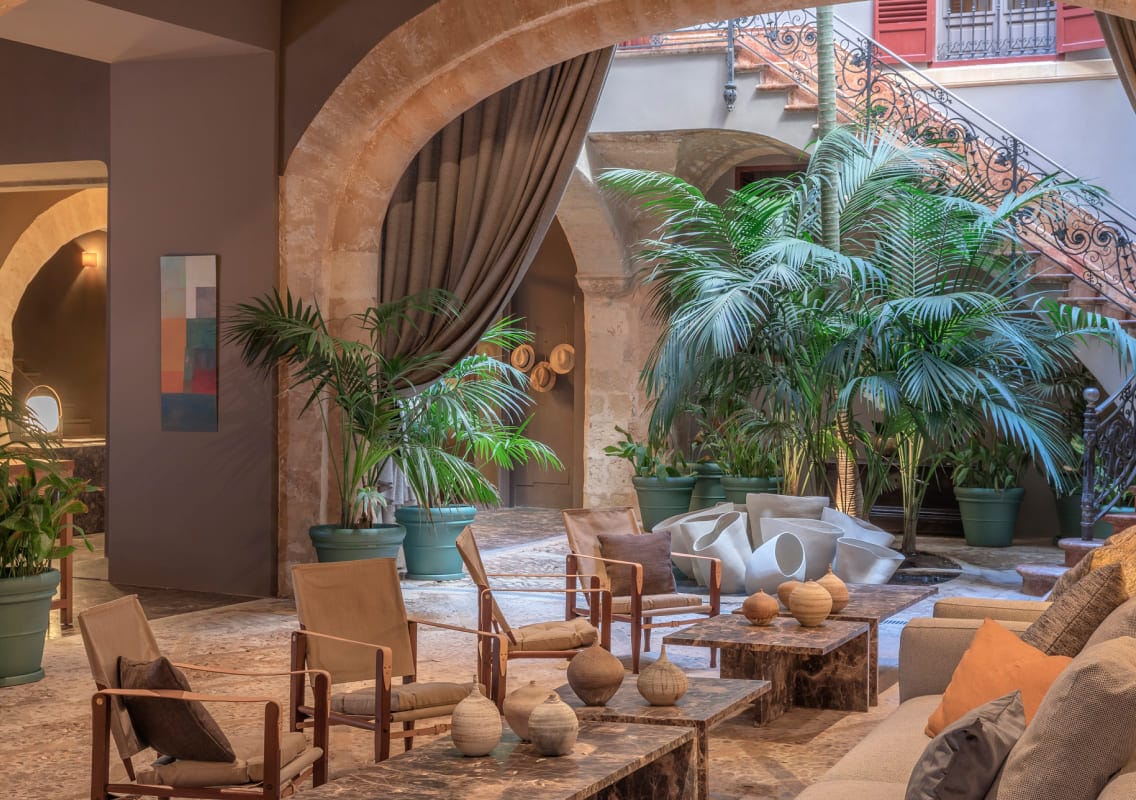
Can Cera, Palma old town. A 13‑room urban palace occupying a 17th‑century townhouse in the medieval Calatrava district, minutes from the cathedral. Interiors use local stone, timber, and linens without nostalgia, and the property includes a hammam, a courtyard, and a rooftop terrace.
Best for: short city stays that demand authenticity over branding.
Notable for: demonstrating that a Palma boutique hotel can feel both intimate and genuinely grown‑up.
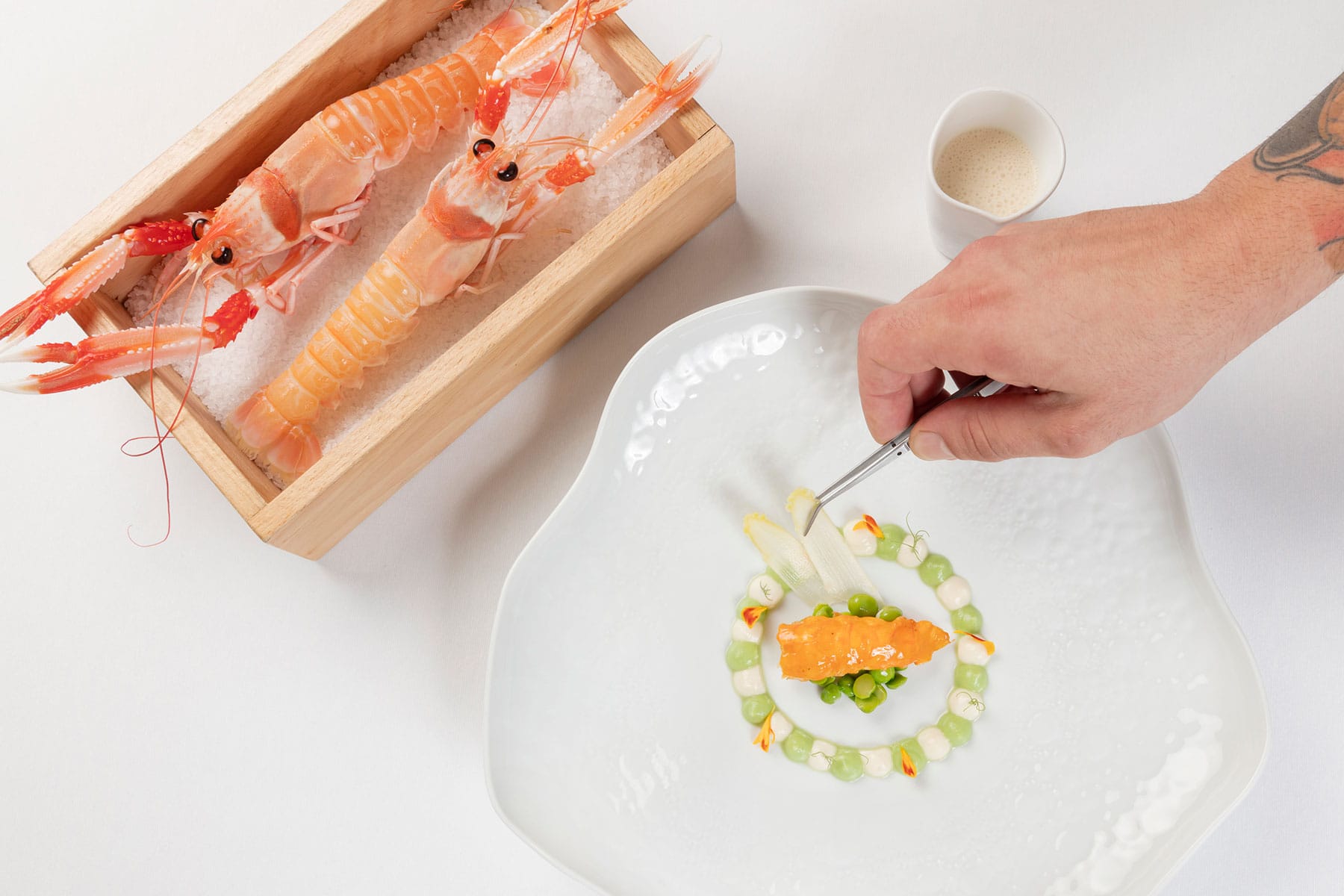
Marc Fosh, Palma. One Michelin star. Modern Mediterranean cuisine with a daily‑changing tasting menu. The dining room occupies a converted 17th‑century convent with a shaded courtyard. Chef Marc Fosh applies a light, precise technique to island produce.
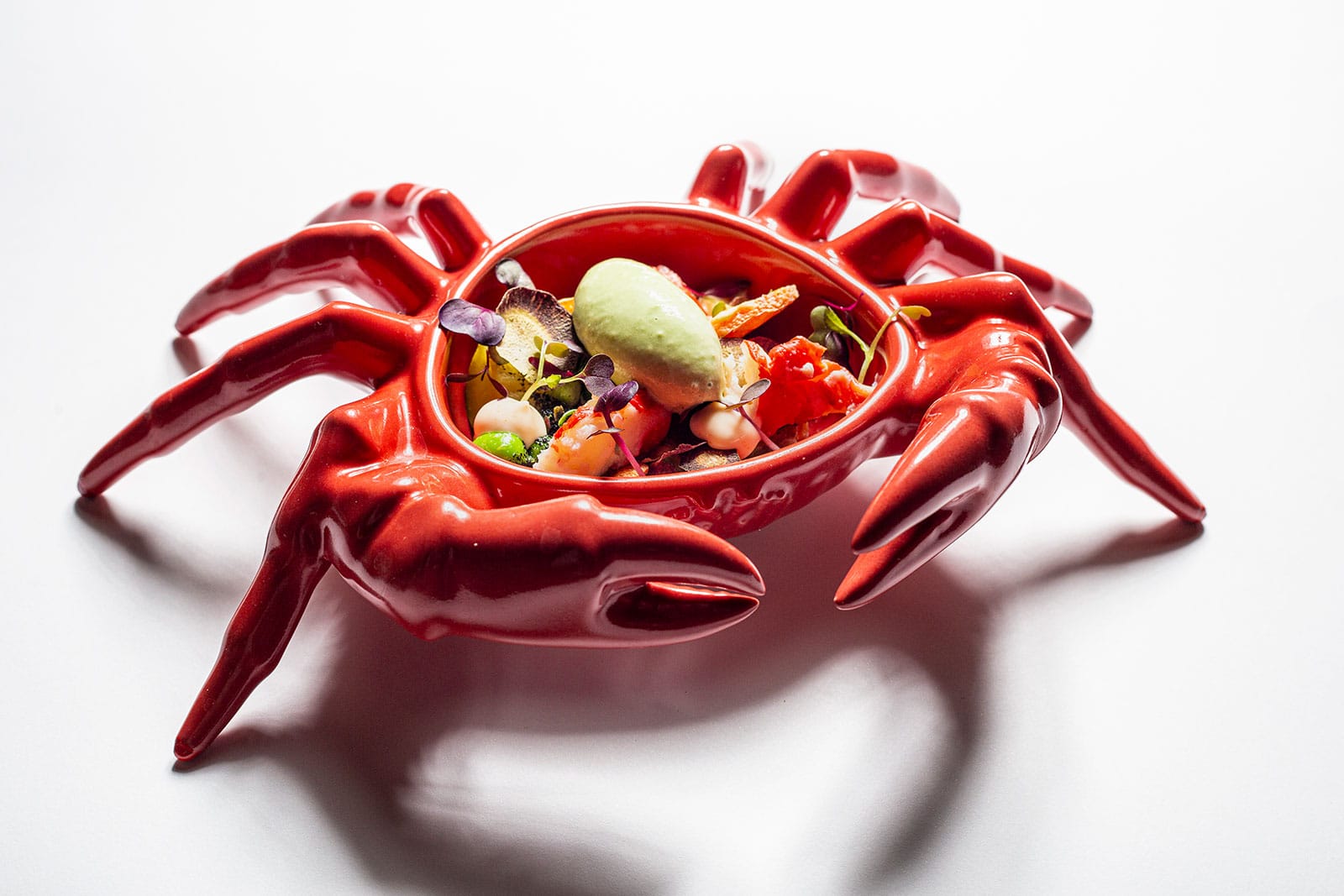
Adrian Quetglas, Palma. Tasting‑menu format where the chef combines Argentine heritage with Mallorcan ingredients in a calm, contemporary setting.
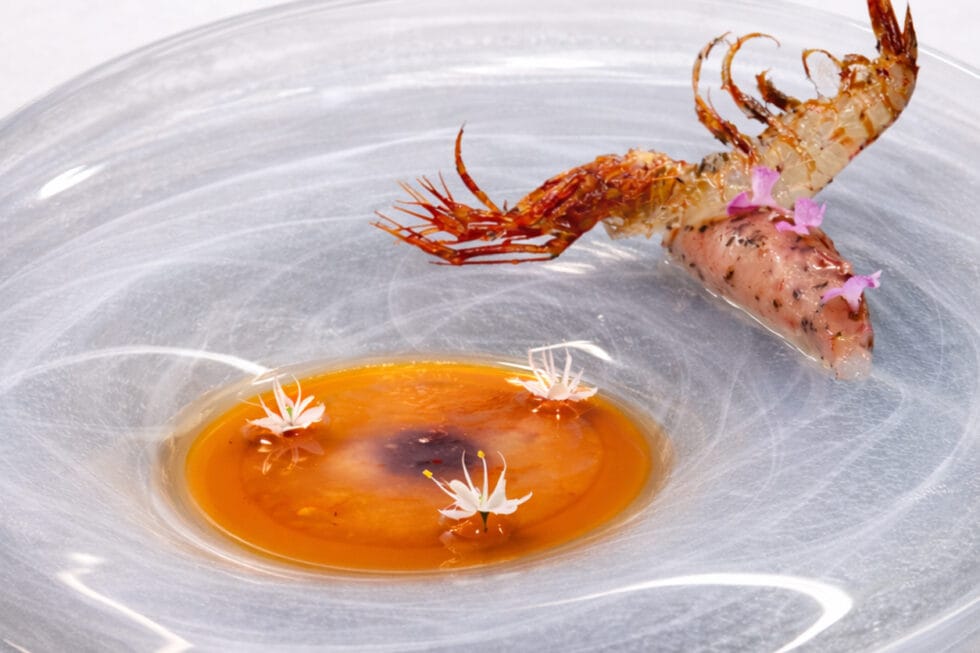
Zaranda, Castell Son Claret, Es Capdellà. Two Michelin stars within a restored castle hotel. The kitchen serves precise, contemporary Mallorcan cooking that reads the landscape through fine‑dining technique.
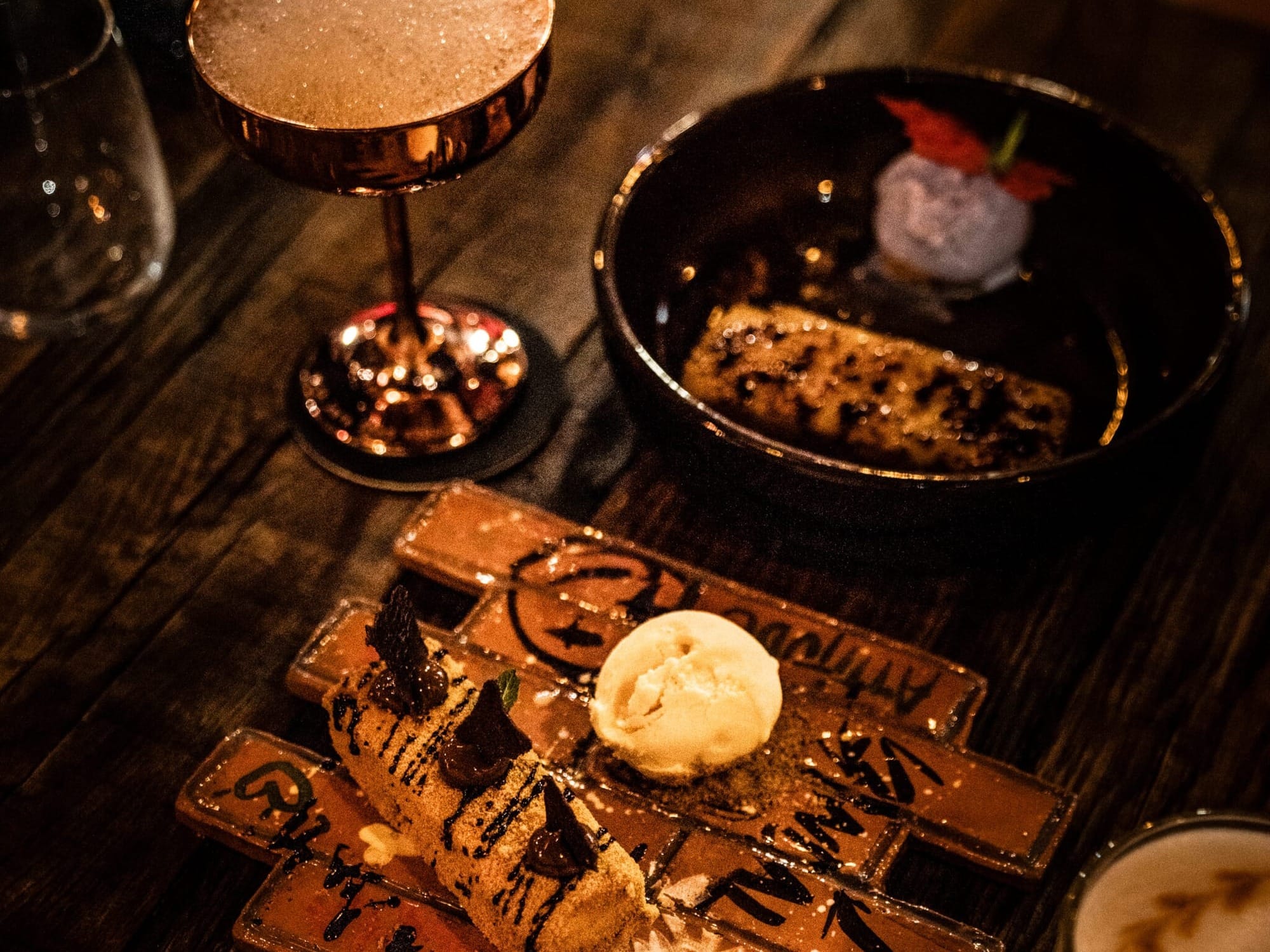
Vandal, Palma. An industrial‑chic space in Santa Catalina, buzzing with shared plates and sharp cocktails. The menu dips into Spanish and Asian influences without losing its Mallorcan anchor.
Private vineyard tour and tasting at Macià Batle or Bodega Ribas, accompanied by a sommelier and a lunch of local charcuterie and cheese. Both wineries sit within 40 minutes of Palma and produce wines from native varieties such as mantonegro and prensal.
Helicopter transfer to Formentor or Son Bunyola, with a mountaintop picnic stop overlooking the sea. Flights depart from Palma or a dedicated helipad, cutting travel time to under 20 minutes while delivering aerial views of the Tramuntana coastline.
Full‑day yacht charter from Puerto Portals, cruising to the hidden coves of Cala Fornells or Sa Calobra. A RIB tender, snorkelling kit, and a cold lunch are standard; routes can be tailored to include a cliffside paella.
Guided hiking in the Serra de Tramuntana along the GR 221 dry‑stone route, led by a local expert. The walk follows ancient pathways between villages, ending at a finca for a traditional arròs brut cooked over an open fire.
Palma de Mallorca Airport (PMI) sits roughly 15 minutes from the city centre and serves direct flights from major European hubs. May, June, and late September deliver warm weather with manageable visitor numbers. July and August bring peak heat and crowds; winter is mild, quieter, and ideal for hiking and culture without the Mediterranean beach‑club backdrop. A rental car is near‑essential for exploring the Tramuntana and the north, while Palma itself is walkable and well‑served by taxis.
Is Mallorca a luxury destination?
Certain parts of the island, especially the Tramuntana villages, Formentor, and the southwest marina belt, now operate at an ultra‑luxury level with five‑star estates, Michelin‑starred restaurants, and private villas. The mass‑tourism zones are easily avoided by geography.
Which area is best for yachting and beach clubs?
Puerto Portals and the southwestern coastline from Calvià to Santa Ponsa concentrate marinas, beach clubs, and contemporary high‑end resorts with direct sea access.
Do I need a car?
Yes, unless you plan to stay only in Palma. Roads are well maintained, and driving times from Palma to Deià (30 minutes), Formentor (60 minutes), and Colonia Sant Jordi (45 minutes) are straightforward.
Is Mallorca family‑friendly for luxury travel?
Many five‑star resorts and finca hotels welcome children, though some, like Cap Rocat, enforce an adults‑only policy. The island has calm beaches, gentle hikes, and plenty of villa rental options suited to families.
How long from Palma to Formentor?
By car, approximately 60 minutes via the Ma‑13 motorway and the winding peninsula road. Helicopter transfers cut this to under 20 minutes.
What’s the difference between the Serra de Tramuntana and the southwest coast?
The Tramuntana is mountains, stone villages, heritage hotels, and landscapes geared toward hiking and quiet retreats. The southwest is flatter, sunnier, and built around marinas, beach clubs, and resort infrastructure.