BEAUTY REPORT 2026: The New Science of Skincare
– 10 min read

Prestige skincare once centred on hydration, radiance and anti-ageing. In 2026, the focus is more specific: barrier repair, hormonal change, cellular renewal and loss of skin density.
Texture now forms part of the treatment strategy. Bi-gels, lipid capsules, dual-phase serums and film-forming creams influence delivery, comfort and how a product fits into a professional protocol.
These formulas remain cosmetics unless regulated otherwise, so terms such as exosomes, longevity and lifting require close scrutiny. The strongest launches are defined not by broad promises, but by a clear function: barrier support, controlled exfoliation, overnight repair, sun protection or use alongside home devices.
The following selection counts a coordinated duo or treatment protocol as one launch concept rather than as separate individual SKUs.
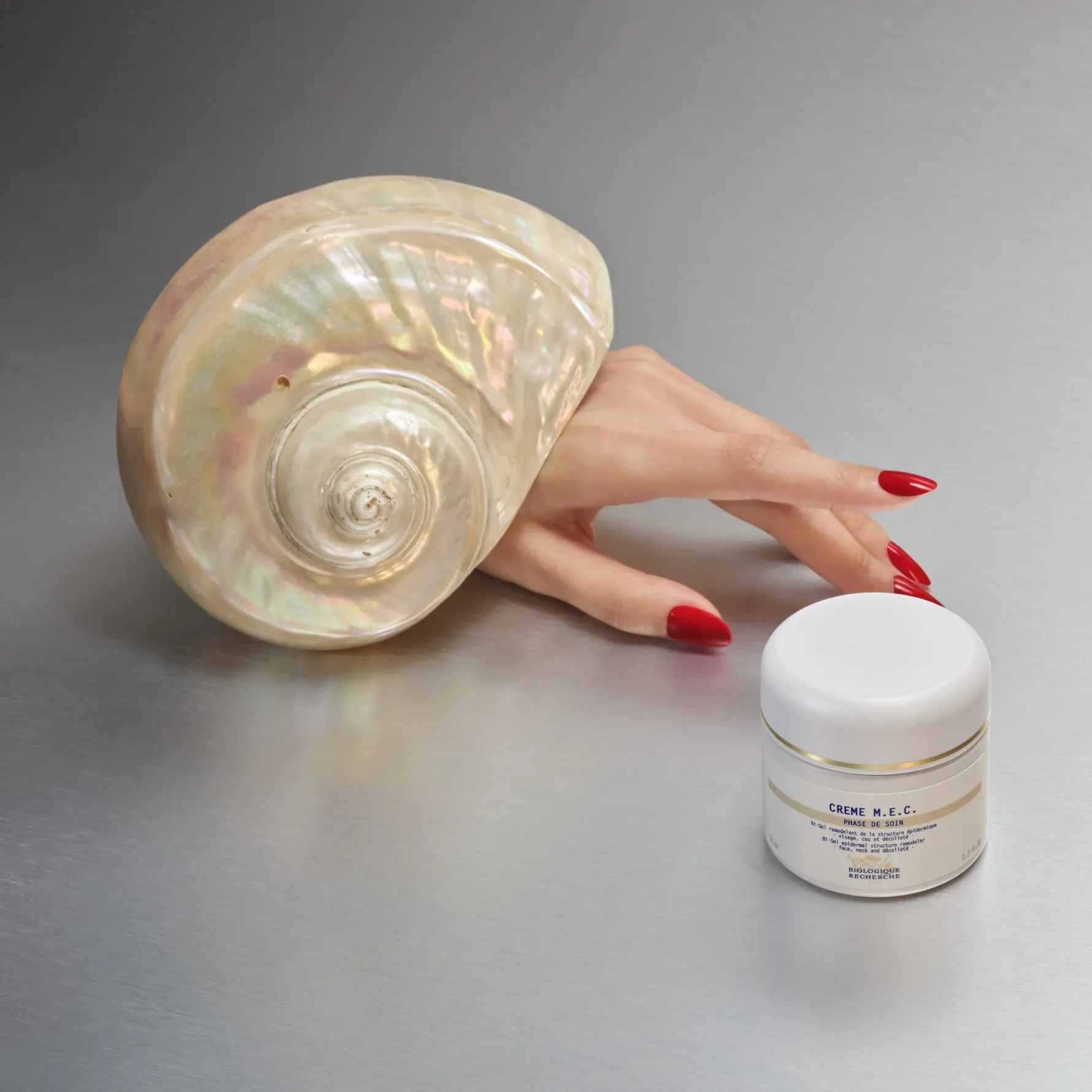
A bi-gel cream centred on the extracellular matrix and loss of skin density. The formula contains sodium hyaluronate, polyglutamic acid, vitamin C derivative and botanical extracts. Its relevance lies less in one ingredient than in the decision to frame ageing through the wider structural environment around collagen and elastin. Brand testing was conducted over 56 days on 65 participants.
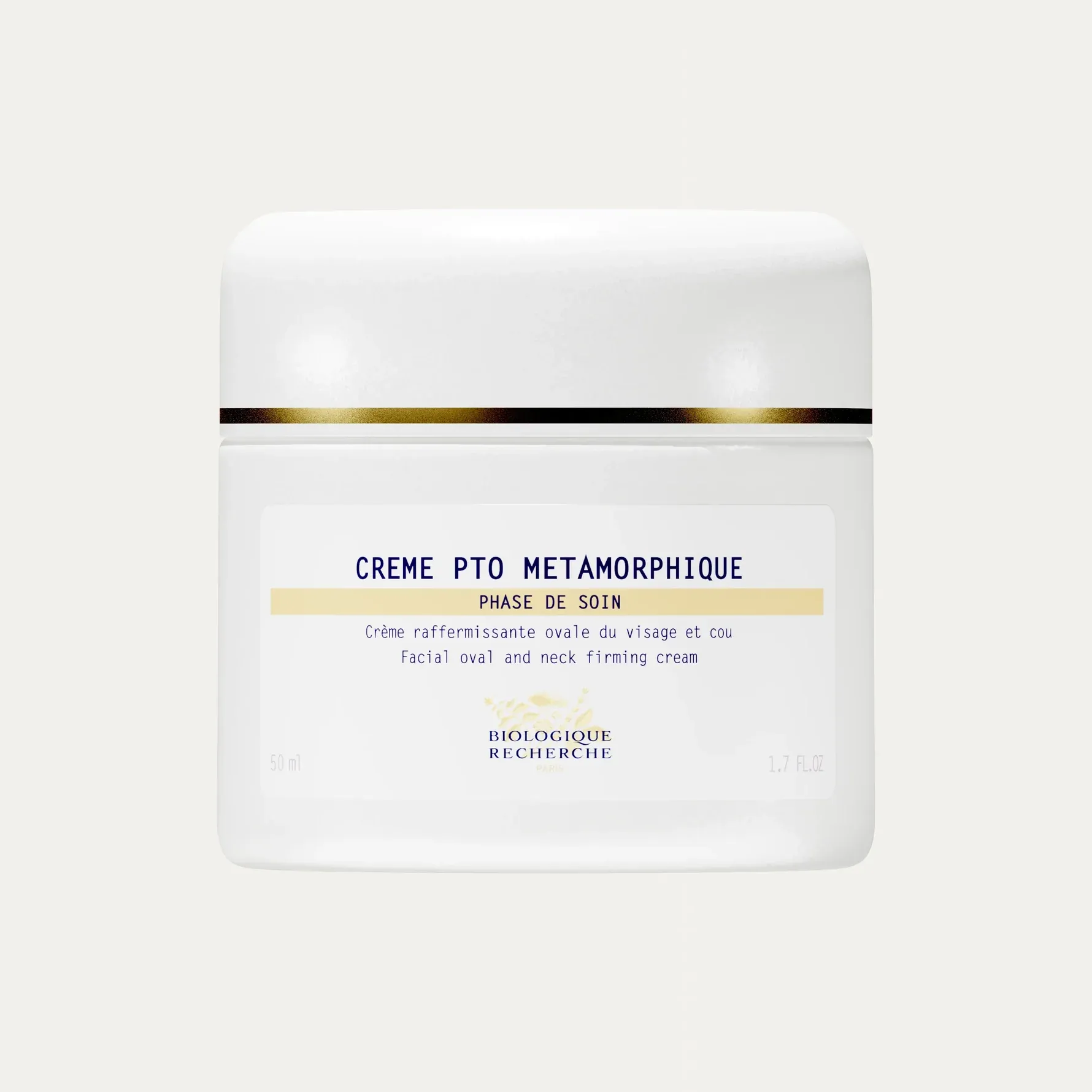
A reformulation of Crème ADN Métamorphique for the facial oval, neck and visible loss of elasticity. It uses a richer cream texture and is applied with upward movements as part of a contour-focused routine. The brand’s study involved 21 participants over 56 days, so its reported six per cent reduction in ptosis volume should be understood within that limited sample.
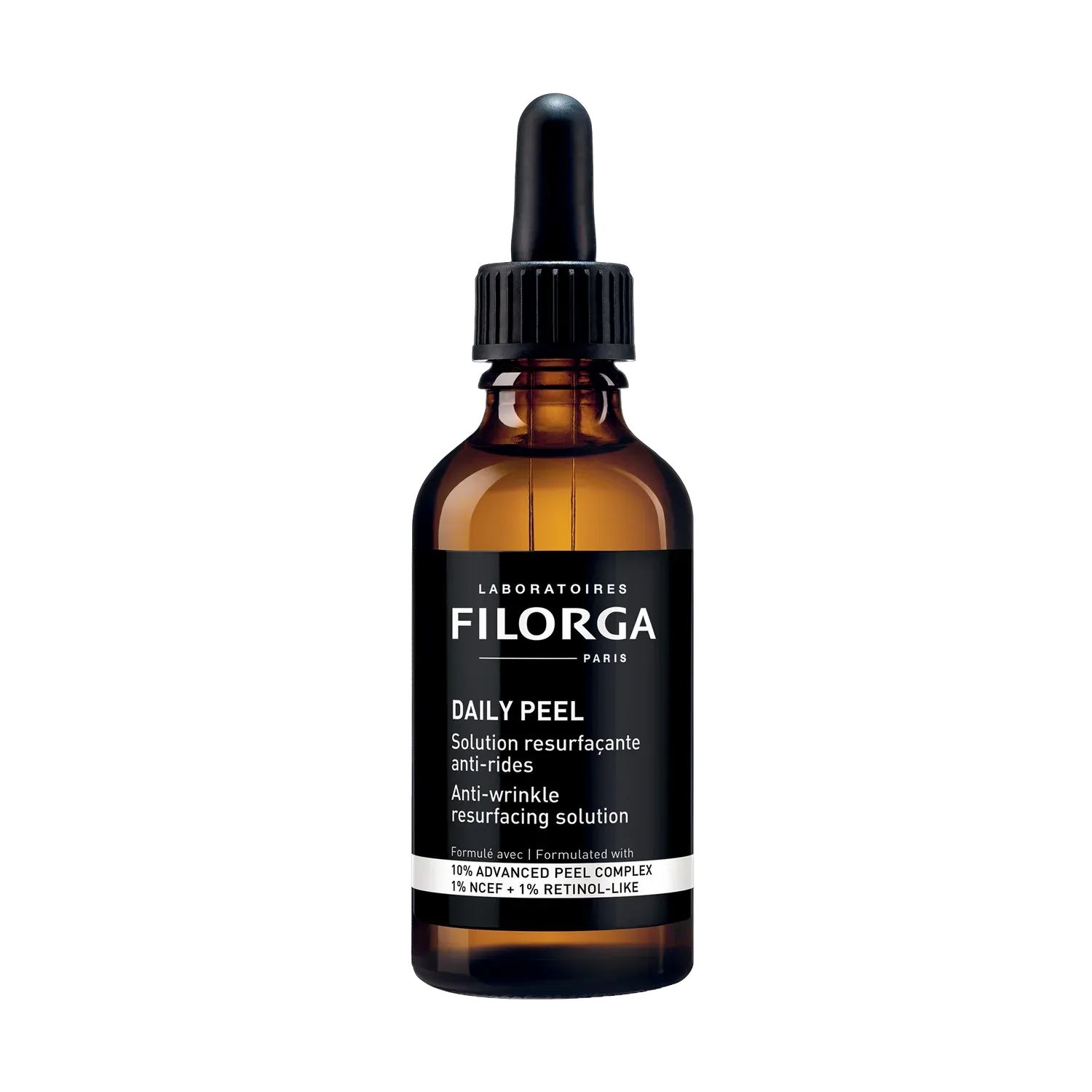
A daily night peel using a 10 per cent blend of lactic acid, mandelic acid and sodium pyruvate, combined with a retinol-like ingredient and Filorga’s NCEF complex. Its light, fragrance-free texture and no-rinse format illustrate the movement from occasional intensive peels towards controlled, repeated resurfacing.
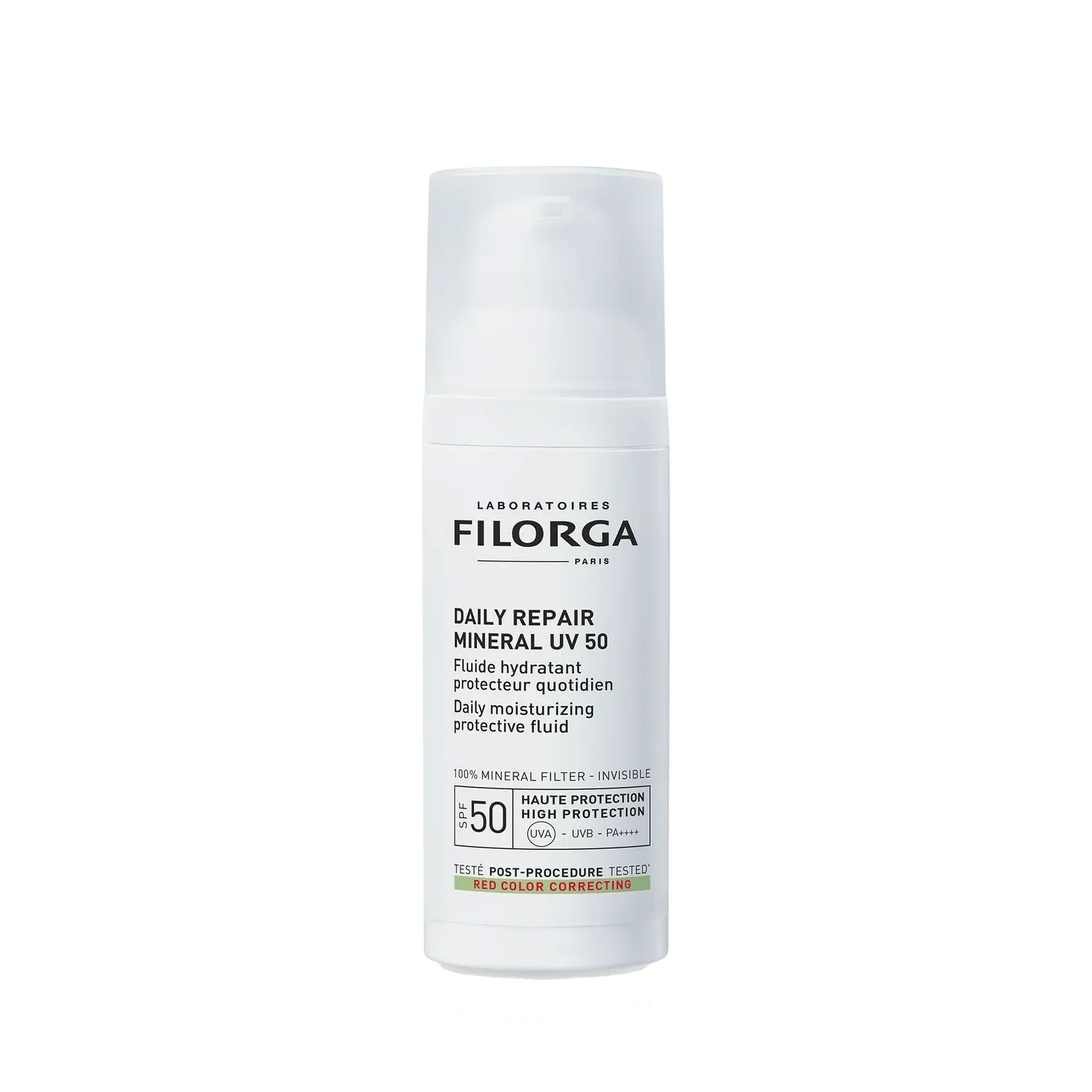
A mineral SPF50 fluid designed for daily use, sensitive skin and visible redness. Its green-toned emulsion, ceramides and Centella asiatica place it between sunscreen, barrier treatment and complexion correction. This is one of the clearer examples of photoprotection being integrated into a dermocosmetic morning routine.
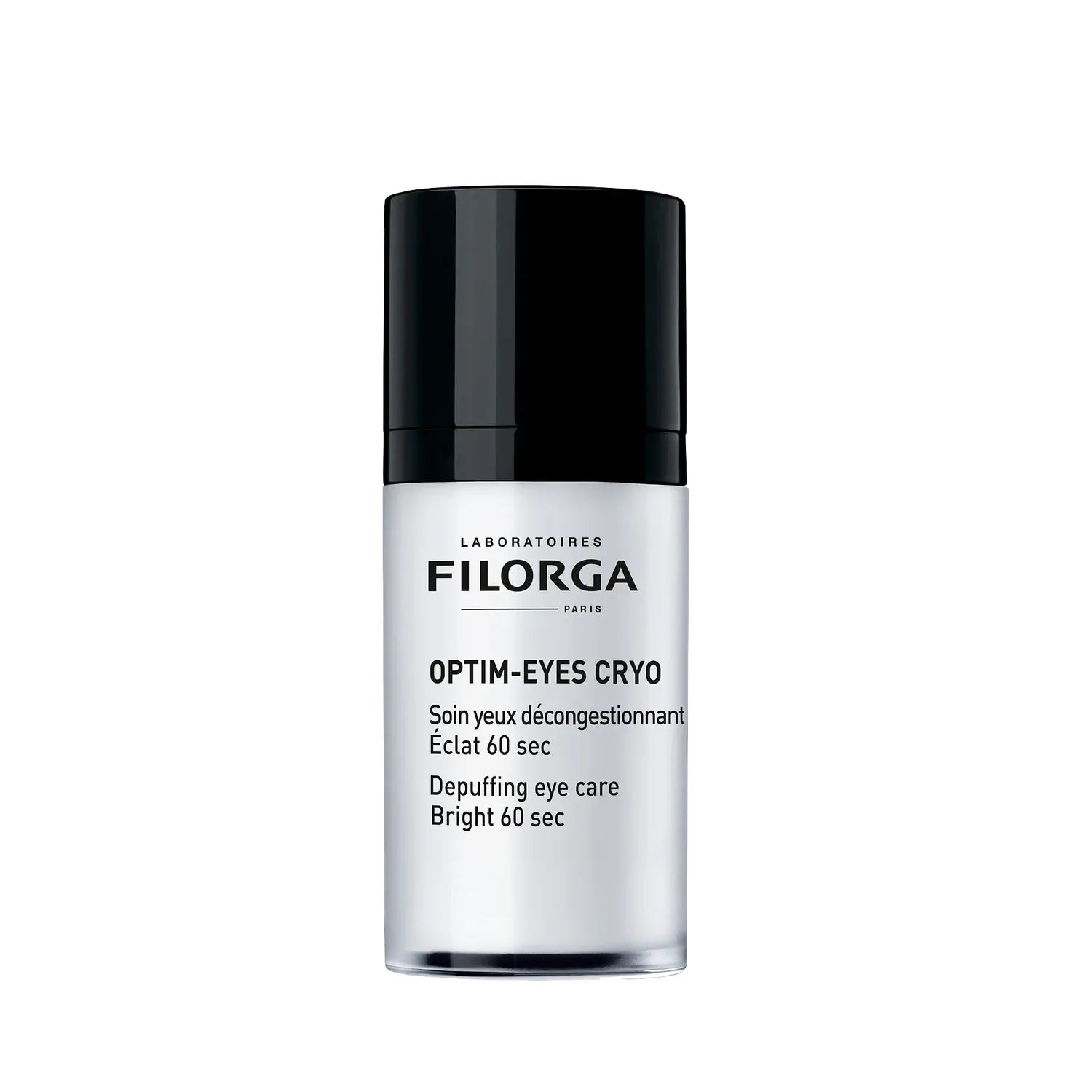
A cooling eye gel containing a complex built around three per cent peptides, two per cent niacinamide and hyaluronic acid. The “cryo” effect is cosmetic rather than medical: the texture produces a cooling sensation and is intended to reduce the immediate appearance of puffiness and fatigue. The brand’s immediate clinical assessment involved 22 women.
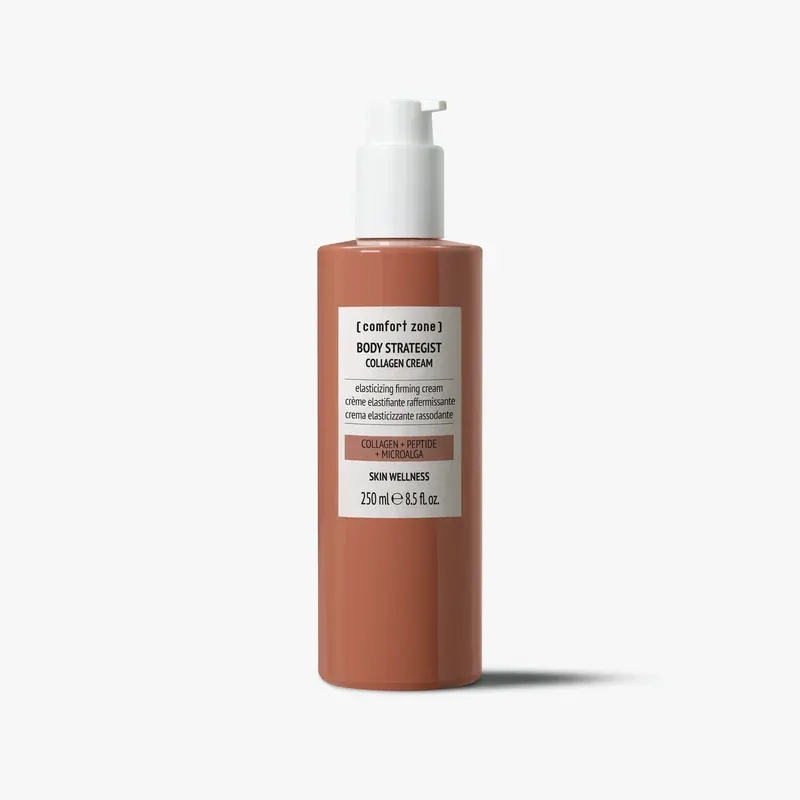
A 2026 body treatment containing hydrolysed vegan collagen, acetyl tetrapeptide-2 and microalgae extract. The product addresses hydration, elasticity, firmness and barrier function below the neck. The brand’s 56-day instrumental evaluation involved 20 participants, a modest panel, but the launch confirms that body care is moving closer to the formulation language of facial skincare.
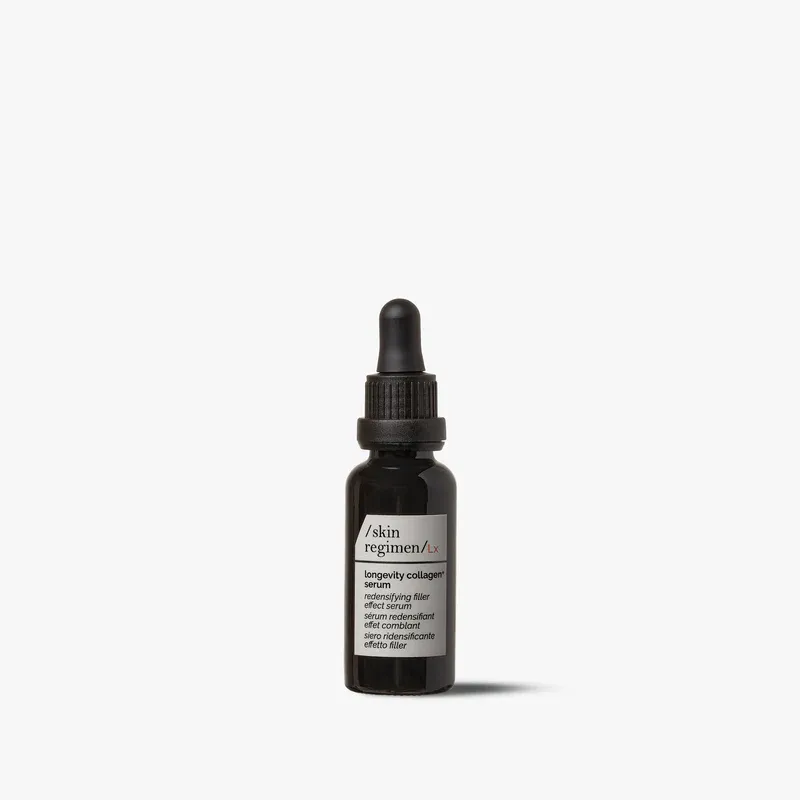
A lightweight serum combining a four-part Collagen Pro Complex with the brand’s Longevity Complex. The brand positions it around type I and III collagen and the visible effects of the exposome. Reported firmness measurements were based on a 28-day test involving 20 participants and should be read as brand-generated performance data.
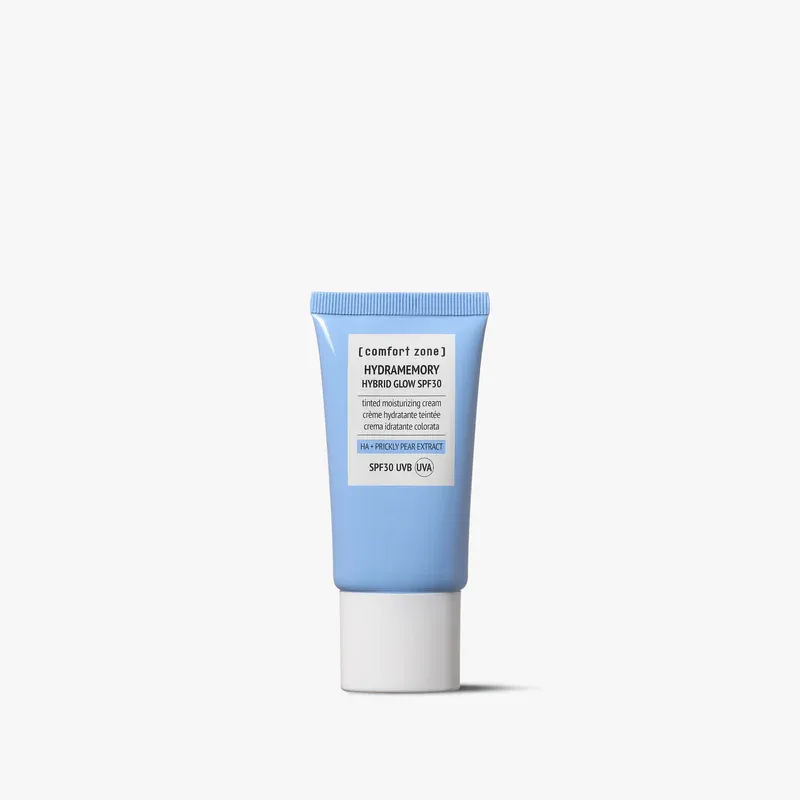
A tinted moisturising cream with SPF30, colour-adaptive pigments, hyaluronic acid and prickly-pear extract. It condenses hydration, complexion adjustment and protection into one morning product. The formula is particularly relevant to readers who avoid sunscreen because of heavy texture or poor interaction with makeup.
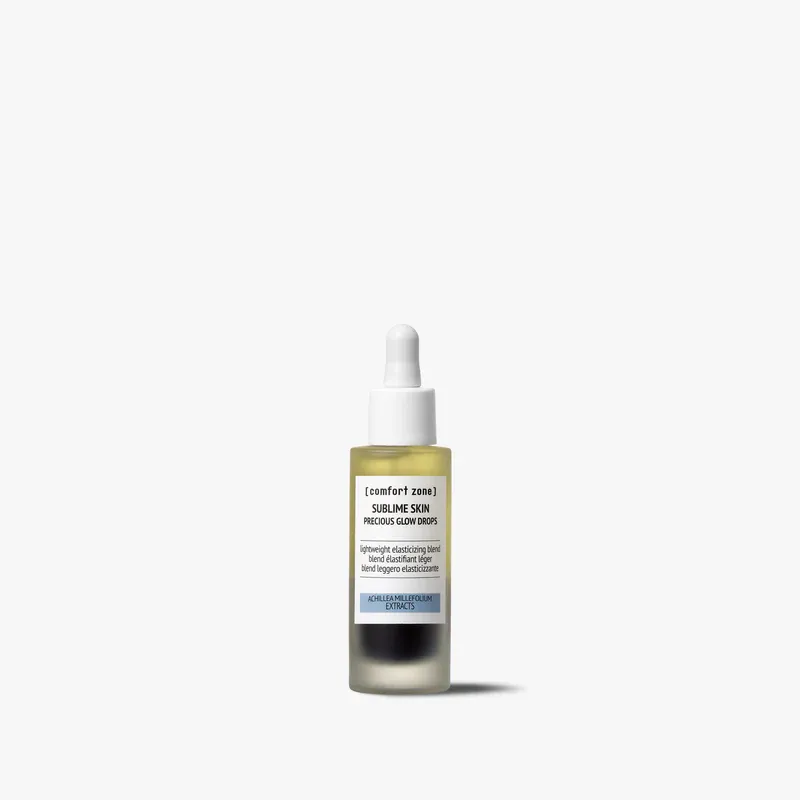
A dual-phase concentrate combining water and oil extracts of Achillea millefolium with baobab oil. The finish is designed to support softness and elasticity without the weight of a conventional facial oil. The formula also demonstrates how brands are using separate botanical extraction methods within one product to create different lipid and water-soluble fractions.
Comfort Zone chairman Davide Bollati summarises the company’s broader formulation position directly: “A product has to be a part of the solution, instead of part of the problem.”
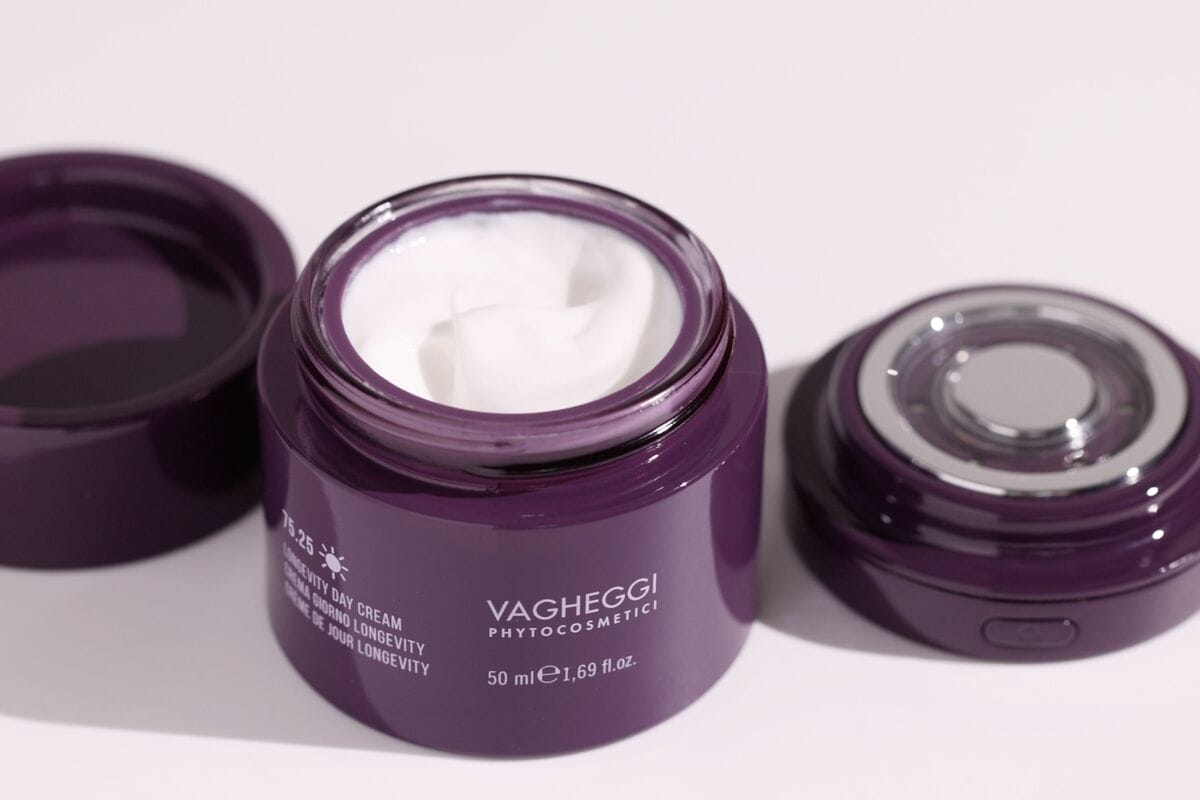
A professional and home-care system built around what the brand calls the 12 hallmarks of skin ageing. The device combines red light, microcurrent, controlled heat and vibration and is intended for use with the Longevity Day Cream. The system is more relevant as a model for connected home care than as evidence that the term “longevity” has acquired a standard cosmetic definition.
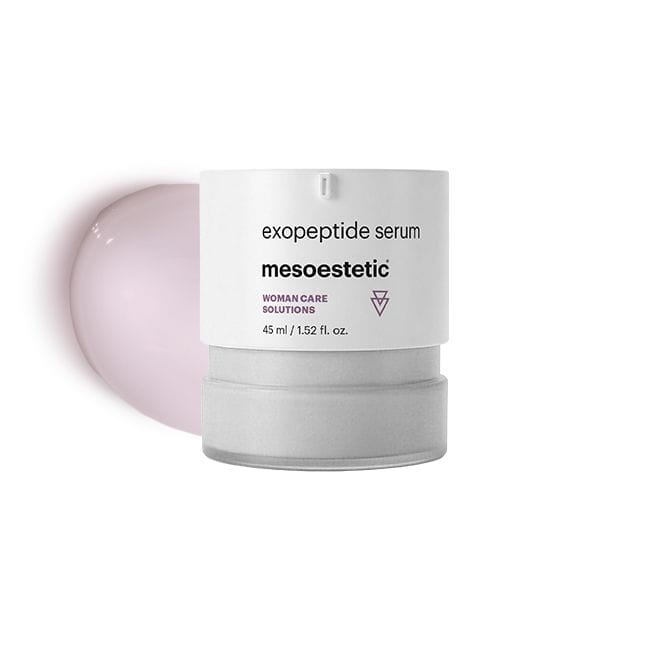
A concentrated serum for women before, during and after menopause. Its formula contains peptides, resveratrol and aloe-vera-derived ingredients described by the brand as exosomes. It is designed for the face, neck and décolleté and is positioned for redness, loss of firmness and maintenance after professional treatments.
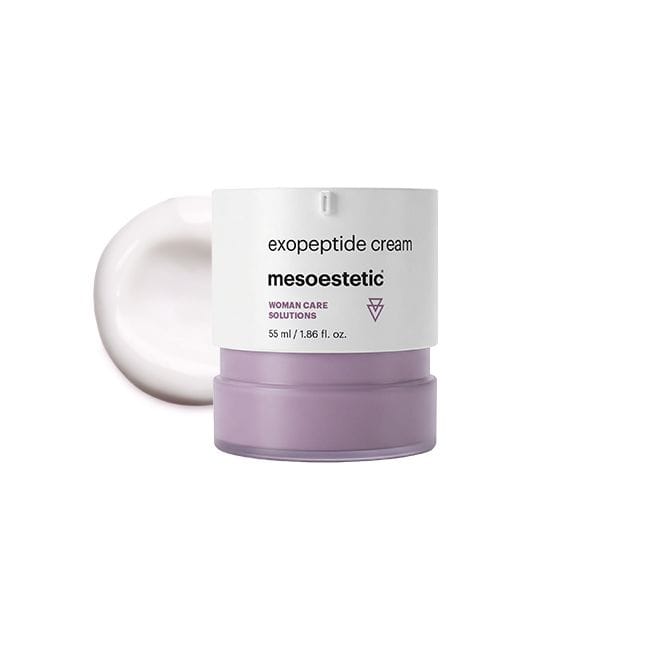
The richer step in the Exopeptide home programme. It combines the brand’s aloe-vera exosome concept with postbiotics, peptides, resveratrol and nourishing ingredients. Its strongest editorial relevance is its direct treatment of menopausal skin as a defined condition rather than as an imprecise synonym for mature skin.
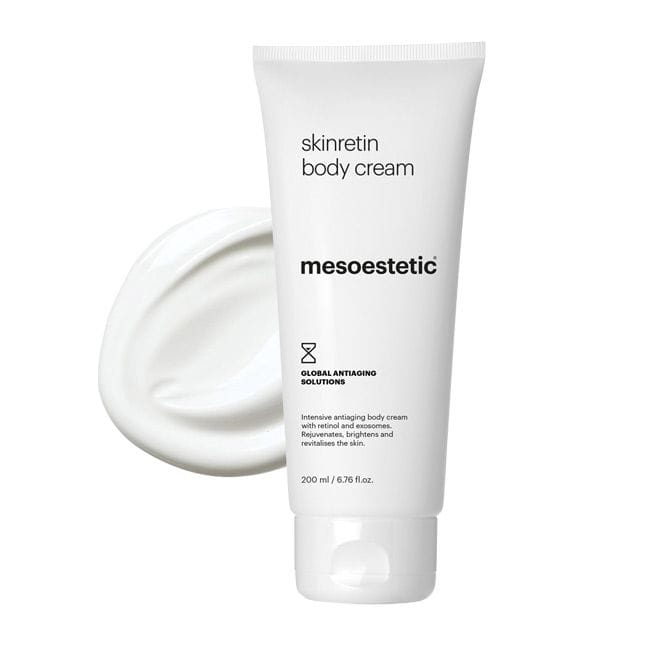
A 200 ml night treatment with retinol for the body, neck and décolleté. It is also positioned for use after professional body procedures. The instructions include gradual introduction, daytime SPF50 and clear pregnancy and breastfeeding restrictions. This degree of guidance should become standard as retinoid body products become more common.
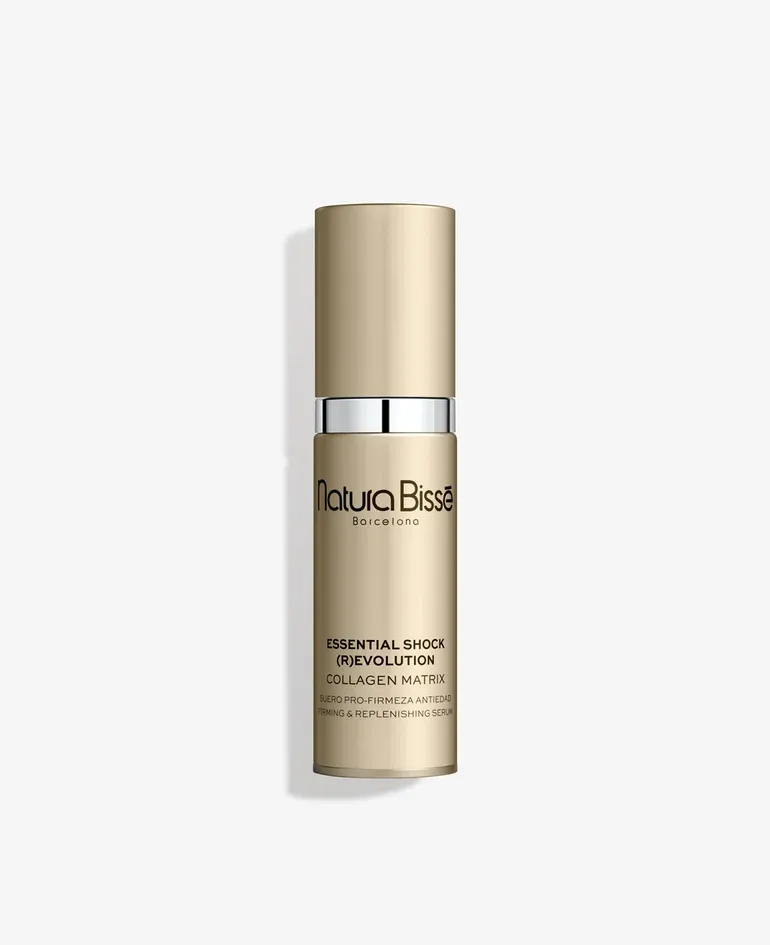
A 5 per cent collagen and elastin serum developed for perimenopausal and menopausal skin. The formula also includes antioxidants, prebiotics, pro-vitamin D-related positioning and the brand’s Pro-Exo Protein System. Natura Bissé describes the technology as supporting the skin’s natural exosome activity; it should not be presented as a topical human-exosome product.
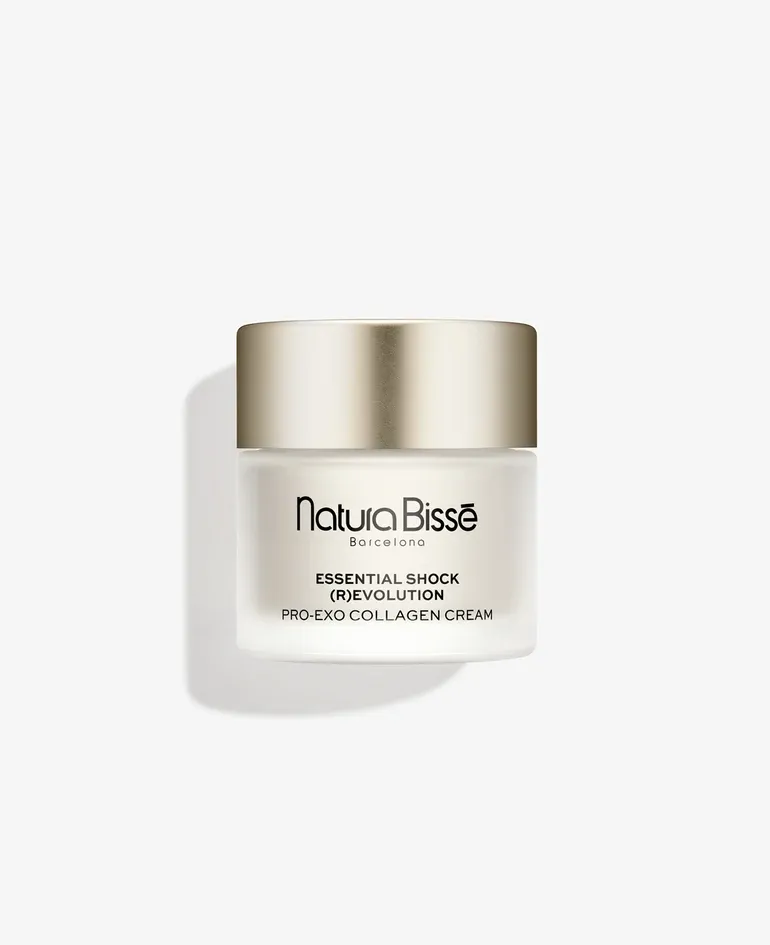
A rich cream for dry, hormonally changing skin, combining hydrolysed collagen and elastin, peptides, proteoglycans, niacinamide, ashwagandha and a prebiotic component. Natura Bissé also offers a gel version for lighter texture preferences, making the treatment concept less dependent on one skin type or climate.
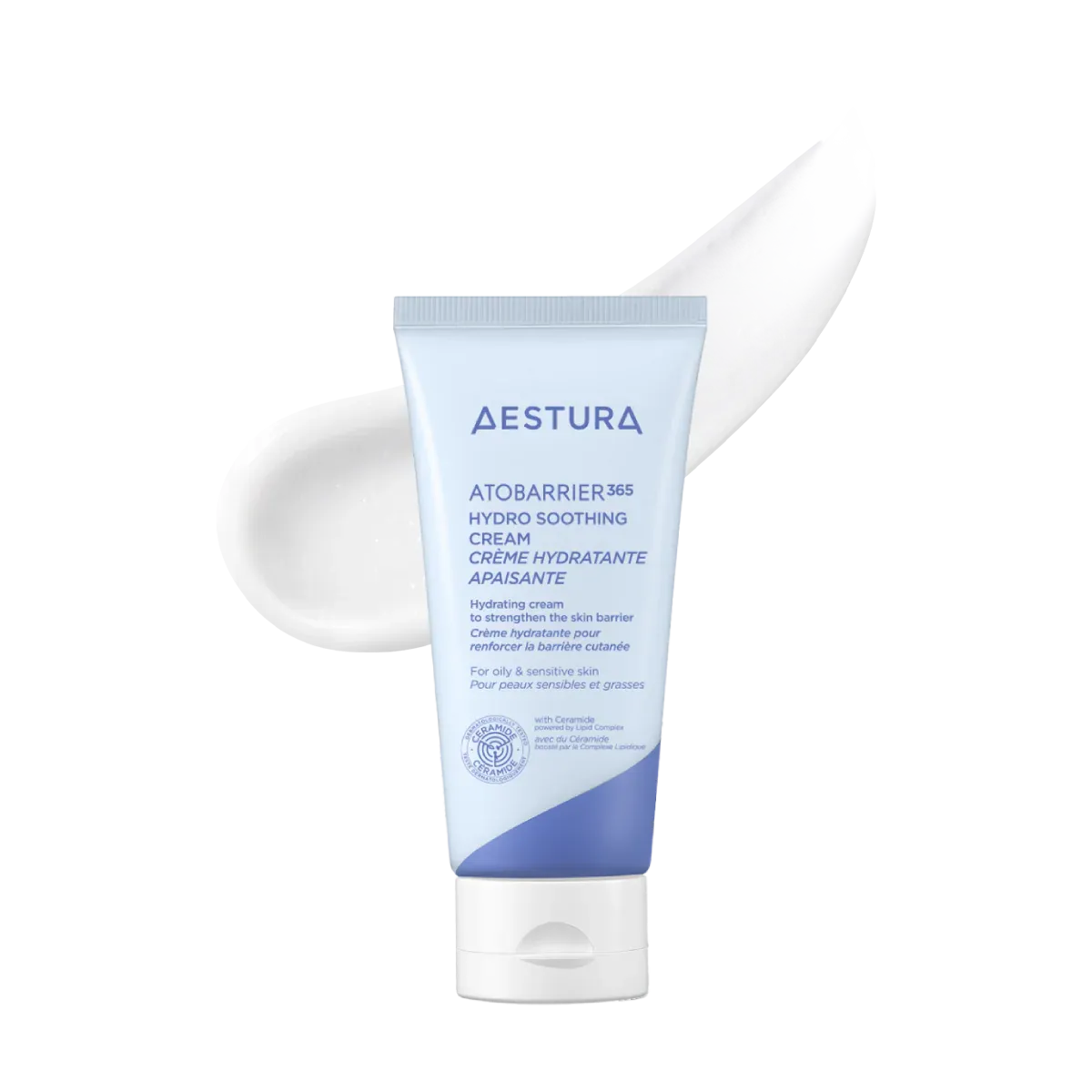
The 2026 reformulation uses compressed hyaluronic acid, zinc and high-density ceramide capsules. It is directed at sensitive skin that is dehydrated but may not tolerate a rich occlusive cream. Brand testing involved 30 women aged 20 to 39 and assessed hydration and barrier-related measurements after use.
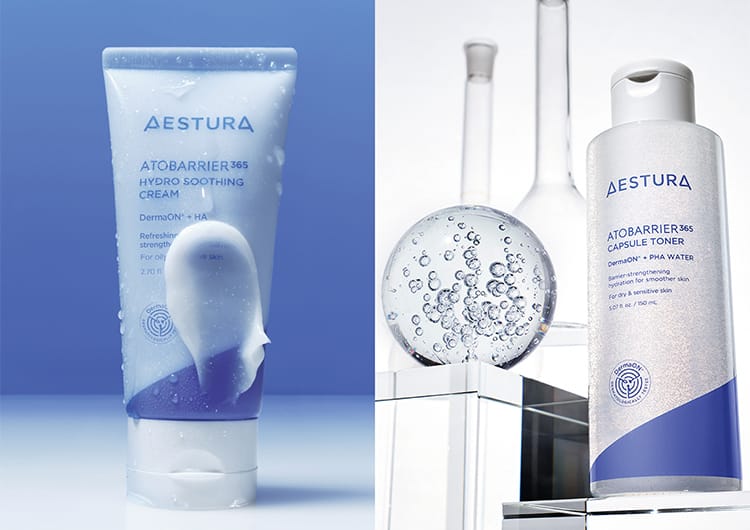
A new first-step toner containing PHA and suspended high-density ceramide capsules. The product is designed to refine surface texture while beginning barrier moisturisation immediately after cleansing. At the time of writing, the Korean corporate release is the clearest official source for the launch.
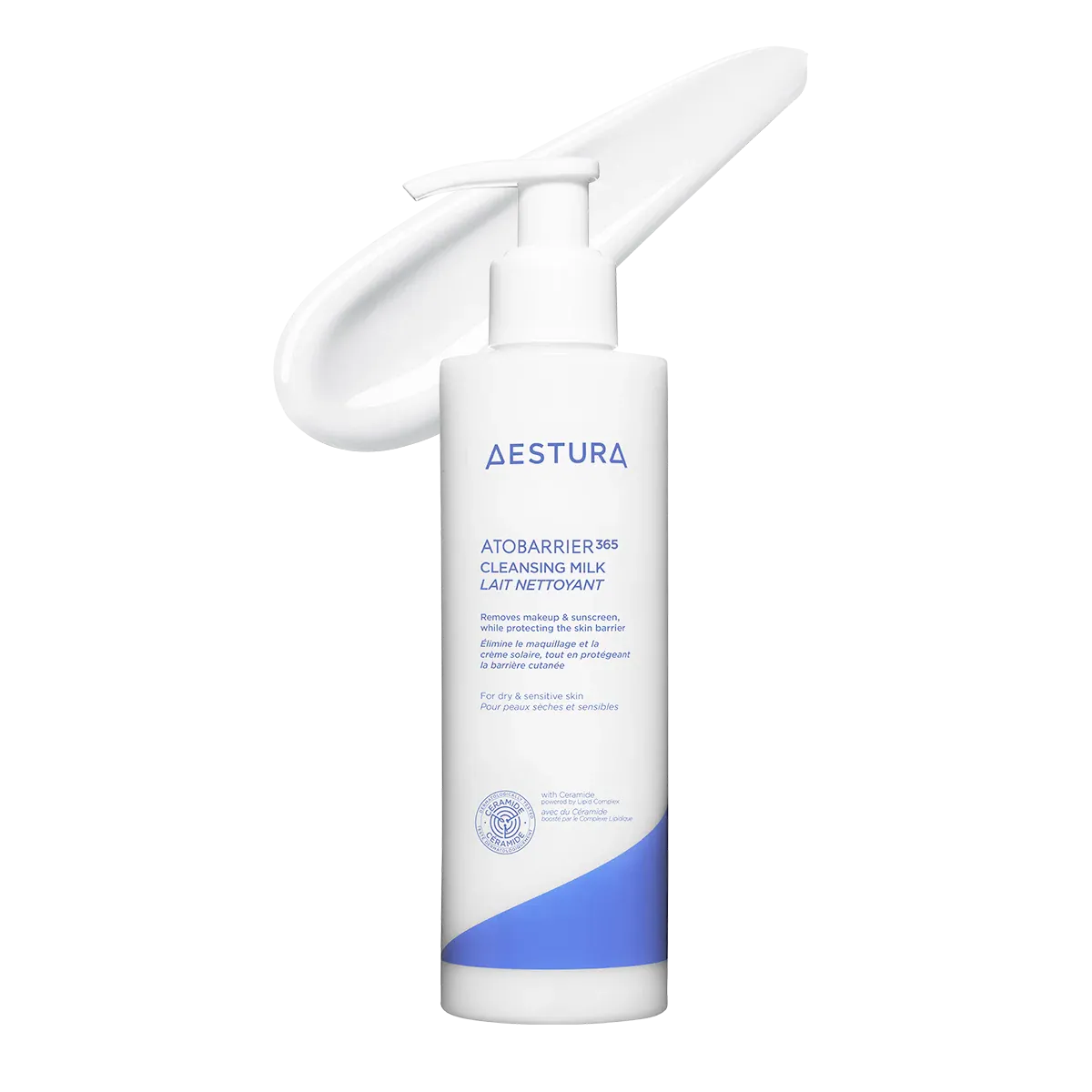
A fragrance-free milk cleanser using ceramides, cholesterol, sphingolipids, panthenol and betaine. Its selective-cleansing positioning is more notable than its removal percentages: it treats barrier preservation as a measurable part of cleansing performance. It is also indicated by the brand for post-procedure and over-exfoliated skin.
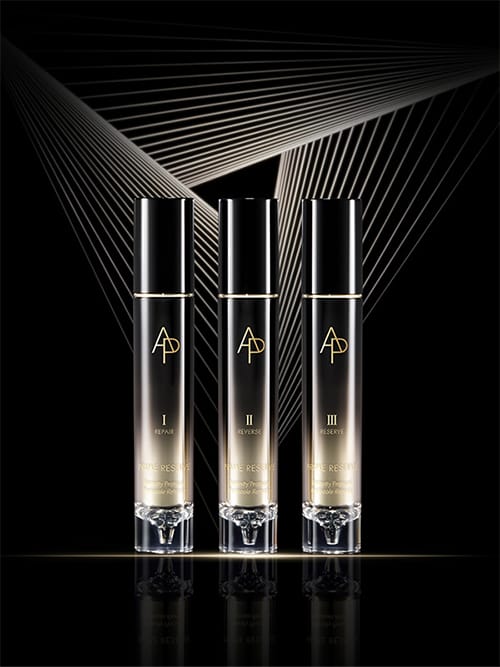
A 30-day, three-stage treatment system using a high concentration of the brand’s Flavonoid 228K complex. The structure resembles a clinic-adjacent programme: fixed products, defined duration and prescribed order. It represents the shift from open-ended skincare collections towards time-limited intensive protocols.
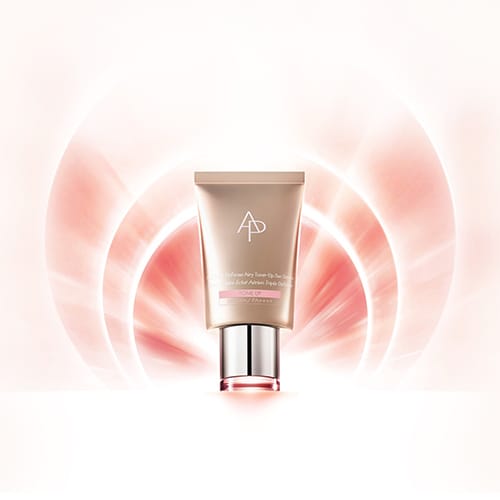
A sun serum launched in April 2026 with UV protection, antioxidant positioning and a tone-adjusting finish. The light texture is designed for repeated application and can be used as a makeup base. Brand self-assessment after two weeks reported changes in radiance, tone evenness and elasticity; these should be presented as company data rather than independent findings.
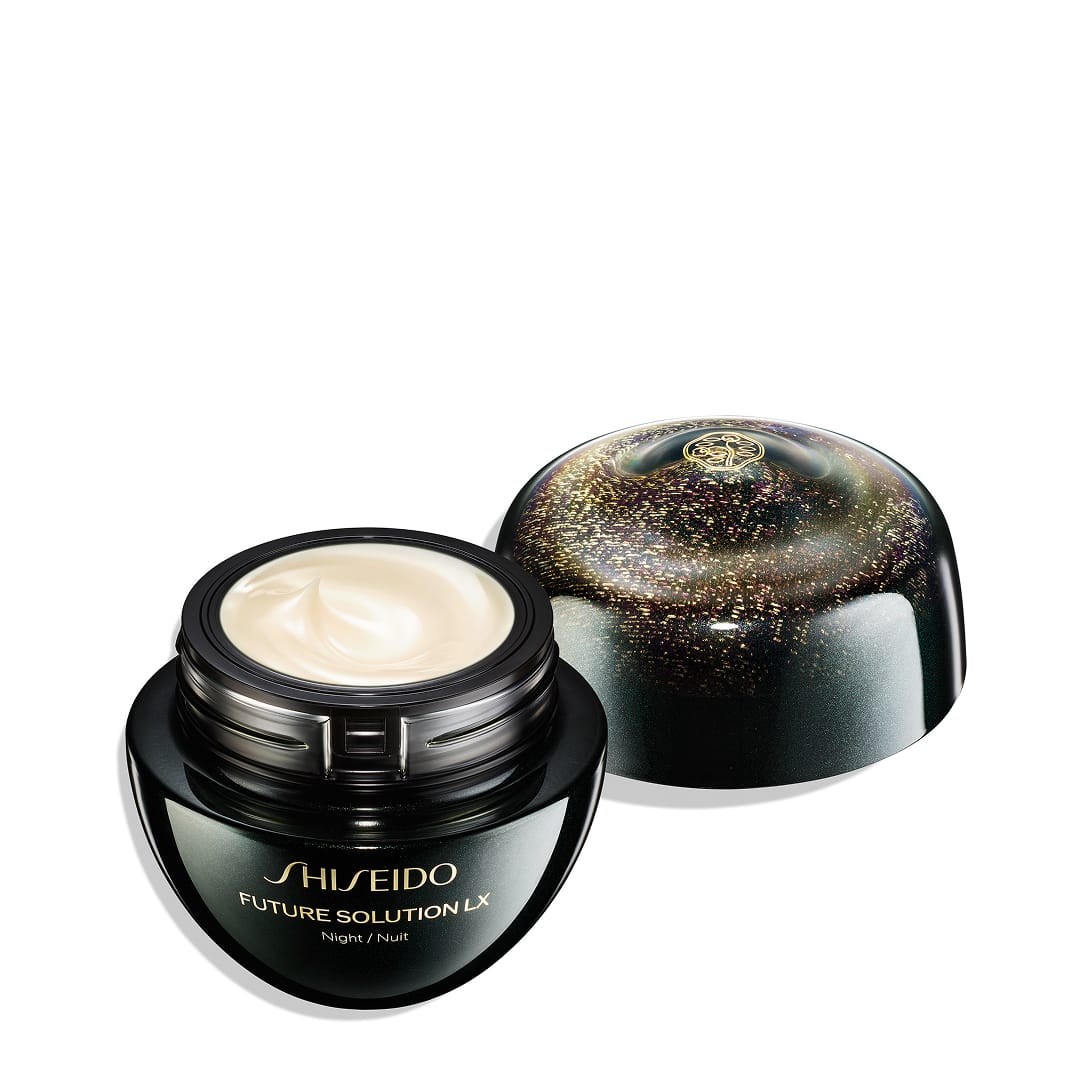
Launched on 1 May 2026, this is a lighter-textured addition to SHISEIDO’s Future Solution LX range. The cream is intended for night use and is positioned around firmness, suppleness and the brand’s plant-research platform. The packaging includes Nishijin textile by the Kyoto company HOSOO, while the texture is designed for consumers who prefer less weight than a traditional rich night cream.
Announced; scheduled for release on 21 September 2026.
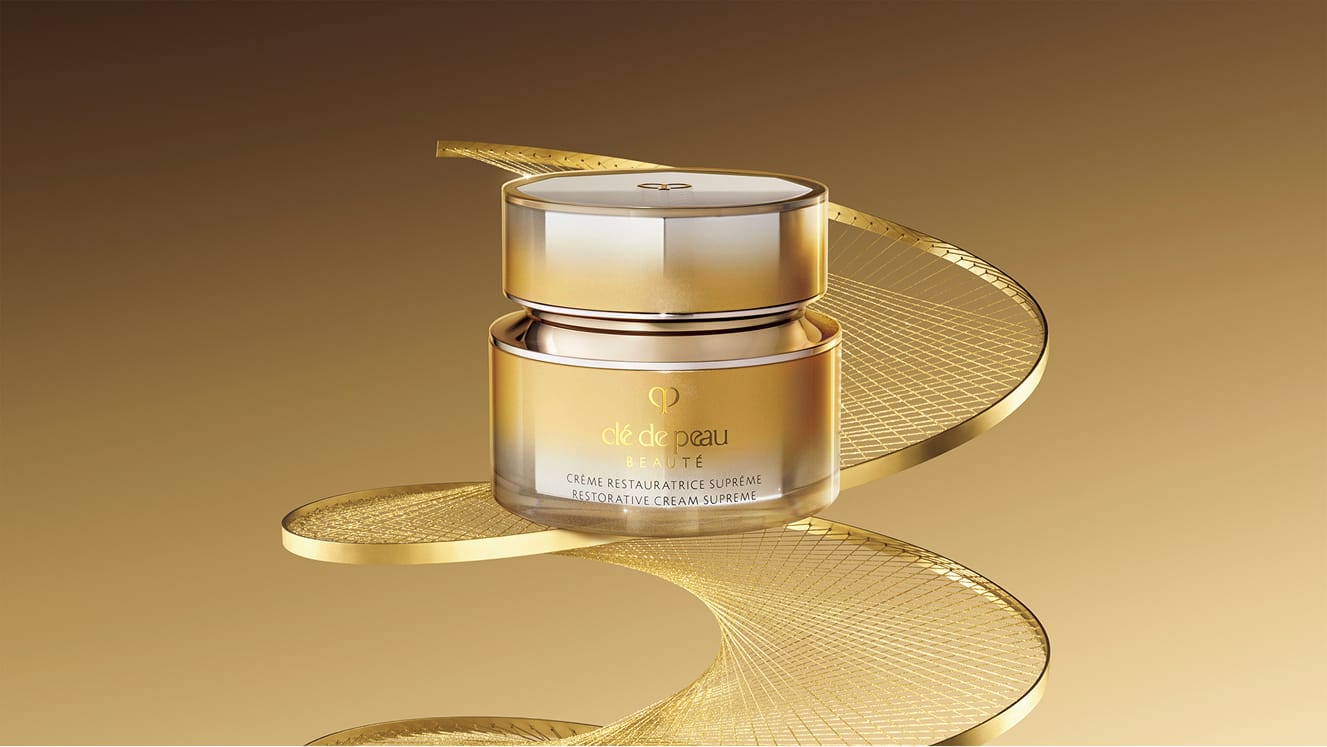
The cream uses the brand’s Future Sculpt Technology II and a formula designed to release water-soluble components before forming an oil-based protective layer. The launch is available in a refill format. Its interest lies in the controlled sequence of delivery and occlusion rather than in the botanical complexes alone.
Announced; scheduled for release on 1 August 2026.
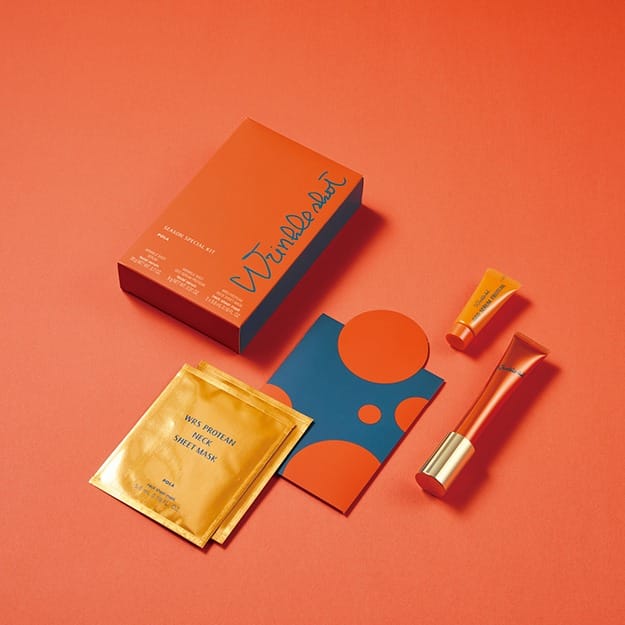
The new basic-care pair extends the Wrinkle Shot name beyond a targeted serum. The oil-in lotion is intended for dryness-related fine lines, while the night cream combines the functions of serum, emulsion, cream and sleeping mask. Its elastic “lift tension veil” is designed to maintain a firmer surface sensation overnight.
Announced; scheduled for release on 4 September 2026.
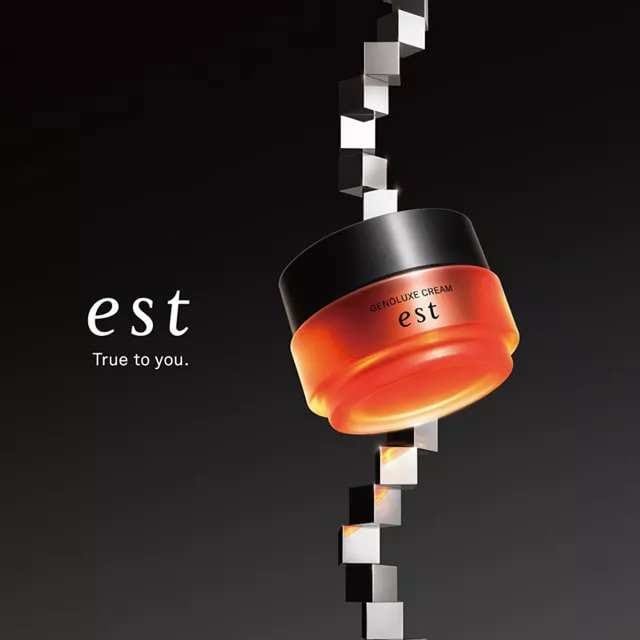
Kao applies its Fine Fiber research to a conventional cream format by dispersing biodegradable, plant-derived microfibres that assemble into a fine network on the skin. The formula also contains an ectoin-based moisturising complex. The company’s release includes downloadable product and texture images, making it one of the more useful official press sources in this report.
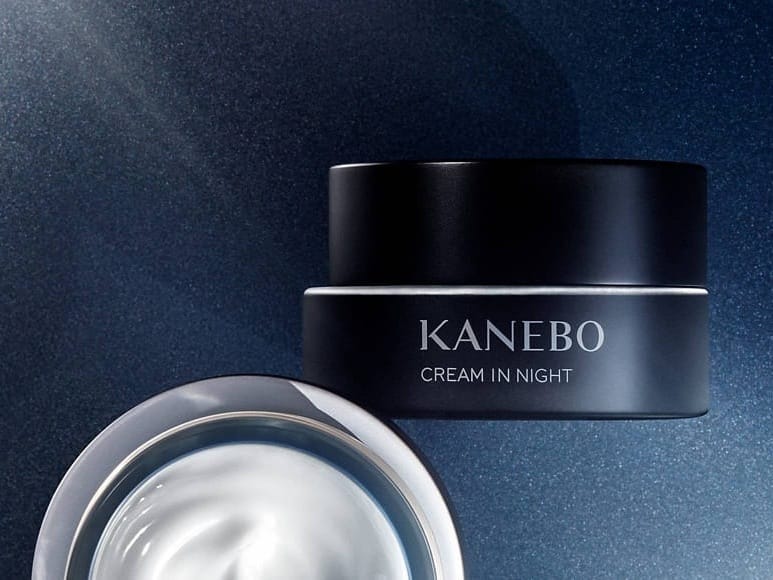
Launched internationally in September 2025, this paired system was inspired by vernix caseosa. Both formulas use the TAISHI Complex, composed of lipid-related ingredients including a ceramide. The day cream includes SPF30 and a makeup-base function; the night cream forms a moisture-retaining overnight shield.
Its importance lies in broadening the discussion from collagen to the extracellular matrix. Even when individual performance figures are treated cautiously, the product provides a more coherent way to discuss density, elasticity and the interaction between structural components.
The cream belongs to a growing category that treats perimenopause and menopause as specific formulation contexts. Its combination of barrier care, postbiotics and peptide-based positioning is likely to remain relevant after the current enthusiasm for exosome terminology has moderated.
The idea that a cleanser should be evaluated by its effect on barrier lipids—not only by removal strength—is likely to influence a wider range of dermocosmetic products. It is a less dramatic development than a new active ingredient, but potentially a more useful one.
The integration of a professional cabin protocol, a home device and dedicated topical products provides a practical model for the next phase of professional home care. Whether individual claims endure will depend on better comparative testing, but the system-based approach is unlikely to disappear.
Plant-derived microfibres that assemble into a controlled surface film represent a distinct form of formulation engineering. Rather than relying on a fashionable botanical extract, the launch changes the physical behaviour of the finished cream.
The most relevant skincare launches of 2026 are not defined by one fashionable molecule. They are defined by increasingly narrow treatment contexts.
A cream may now be developed for menopausal dryness, an impaired barrier after over-exfoliation, visible changes around the facial oval, body skin exposed to retinoids, or daily protection in a humid climate. A cleanser may be designed around lipid preservation. A toner may function as the first stage of a ceramide treatment. A night cream may form an engineered film that remains on the surface until morning.
This specialisation does not remove the need for caution. Company-sponsored studies are often small, percentages may describe different measurement methods, and proprietary technology names can make familiar cosmetic functions appear more novel than they are. Editorial coverage should state who conducted the test, how many people participated, how long the product was used and whether the claimed effect was measured instrumentally or reported through self-assessment.
The more durable change is conceptual. Skincare is moving away from age as its only organising principle. Barrier condition, hormonal stage, treatment history, climate, sensitivity and daily behaviour are becoming equally important. The strongest formulas are those that define their role clearly—and do not require exaggerated language to explain it.