A Guide to Morocco: The Best Hotels, Dining and Cultural Experiences
– 6 min read

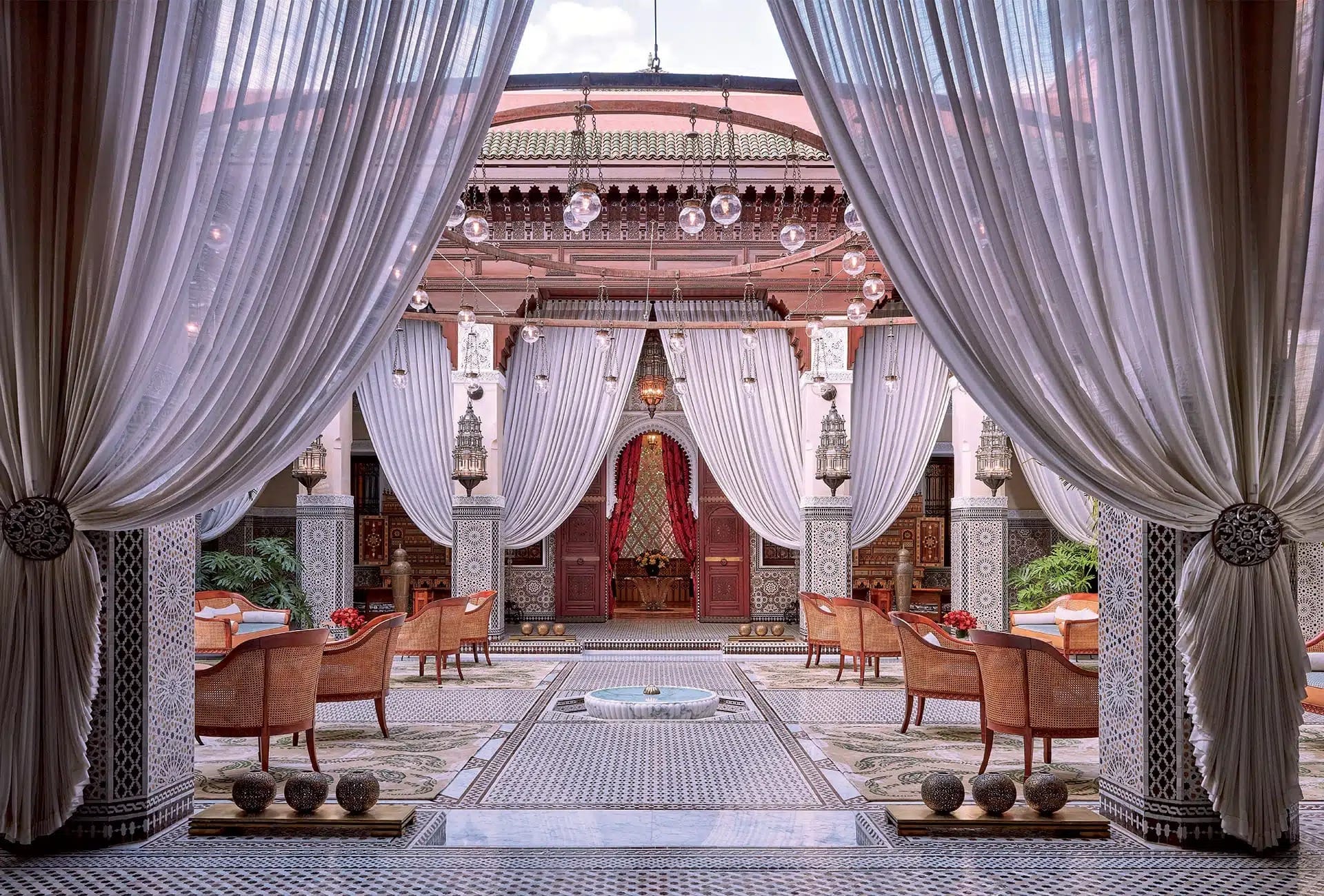
A 53-riad compound within the medina walls, owned by King Mohammed VI of Morocco. Each riad is a three-storey private house with its own rooftop terrace and plunge pool. Staff move through a network of underground corridors, maintaining service without visible presence. The subterranean spa, spanning over 2,500 square metres, draws on hammam traditions and contemporary treatment protocols. Dining is led by Hélène Darroze at La Grande Table Marocaine and Massimiliano Alajmo at Sesamo.
Best for: travellers seeking total privacy within a medina setting.
Notable for: concealed service corridors and the underground spa.
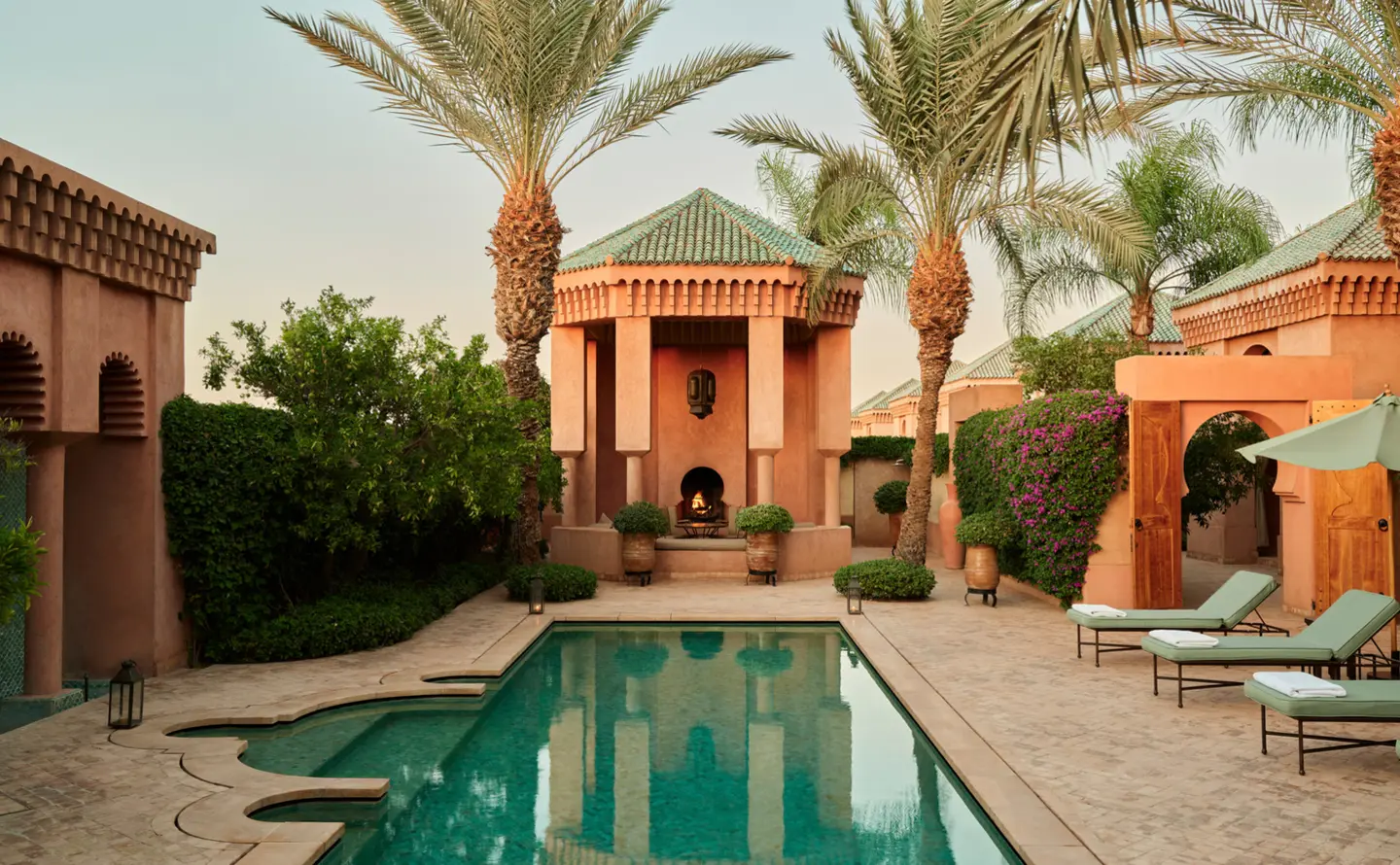
The first Aman property on the African continent, located outside the medina among olive groves. The architecture references traditional Moroccan palatial forms: rose-pink walls, reflecting pools, open-air pavilions. Accommodation comprises pavilions and private maisons with heated pools. The atmosphere is defined by restraint, both in design and in density. The property operates with minimal signage and a low guest count relative to its grounds.
Best for: repeat Aman guests and those who favour architectural minimalism.
Notable for: its scale of open space relative to the number of rooms.
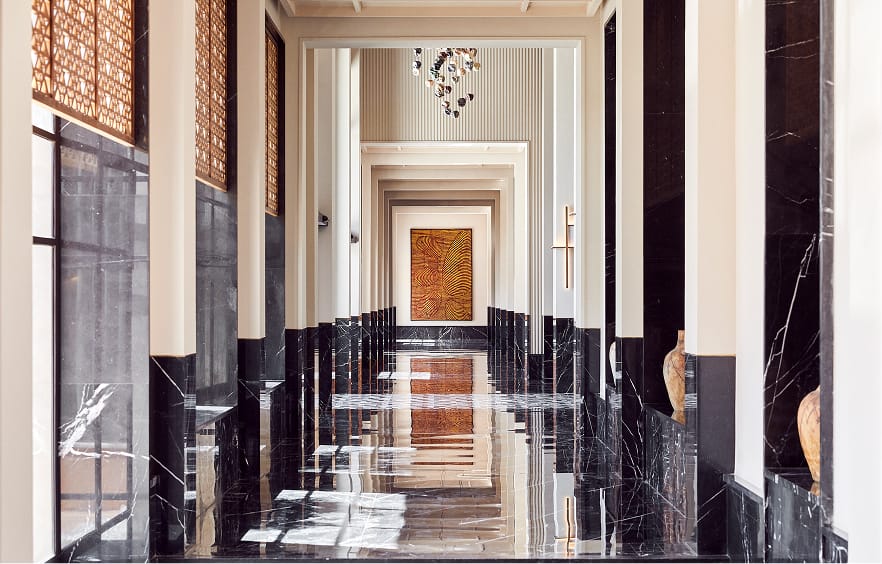
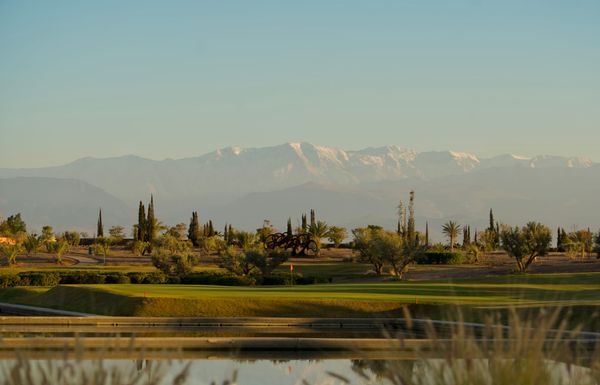
The first Park Hyatt in Morocco, opened in July 2024 within the Al Maaden development, fifteen minutes from the medina and the airport. The 7.5-hectare property holds 130 rooms and suites (55 to 350 square metres) across sixteen low-rise pavilions modelled on traditional Moroccan douars. Duplex suites include private terraces with pools and hammams. Most rooms face south toward the Atlas range and Jebel Toubkal.
Interior design by Imaad Rahmouni draws on Berber and Hispano-Moorish craft: floors in Calacatta, Khénifra black and Saharan pink marble; mashrabiya screens as partitions and skylights; headboards using the tataoui laurel-branch technique. An art programme with the Ifitry residence near Essaouira includes over 700 commissioned works, among them a ceramic ceiling installation by Mounat Charrat and ink drawings by Khadija Tnana in each room.
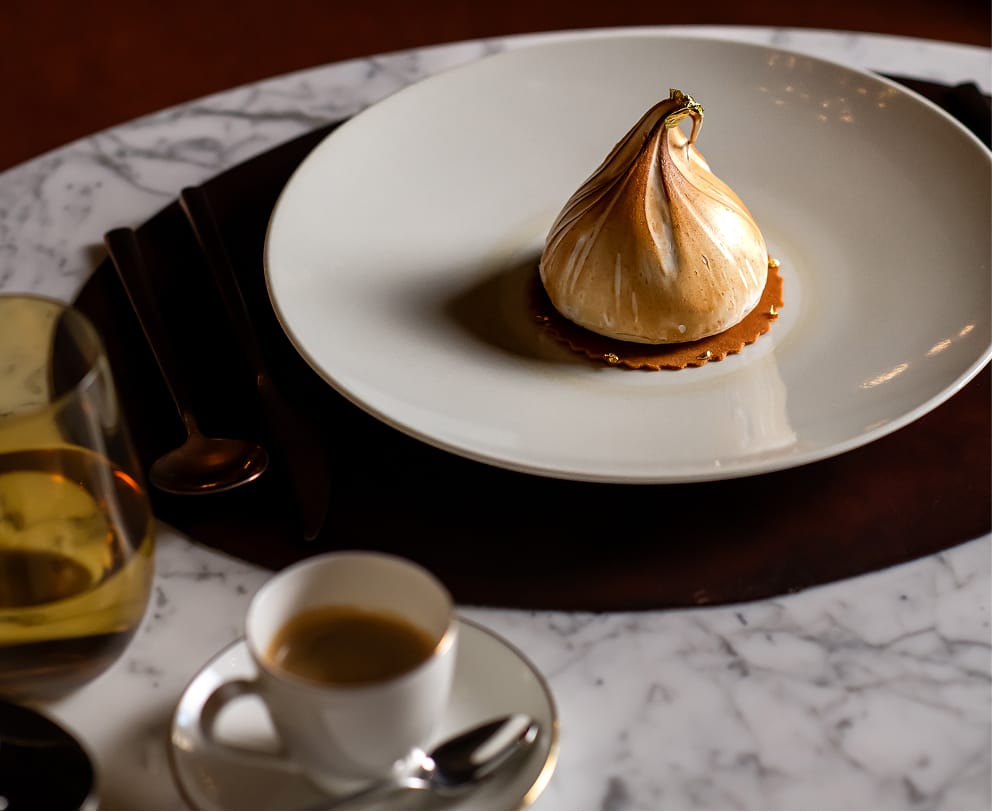
Executive chef Issam Rhachi, trained under Thierry Marx and Pierre Gagnaire, holds the Gault & Millau "Grand de Demain" distinction. His restaurant TFAYA reinterprets Marrakech street dishes at a fine dining level. The spa covers 2,200 square metres with an indoor pool lined in green Fez bejmat tiles. Guests access the adjacent Al Maaden golf course designed by Kyle Phillips.
Best for: travellers seeking a contemporary, art-focused resort outside the old city.
Notable for: the Ifitry art collaboration and Issam Rhachi's medina-rooted gastronomy.
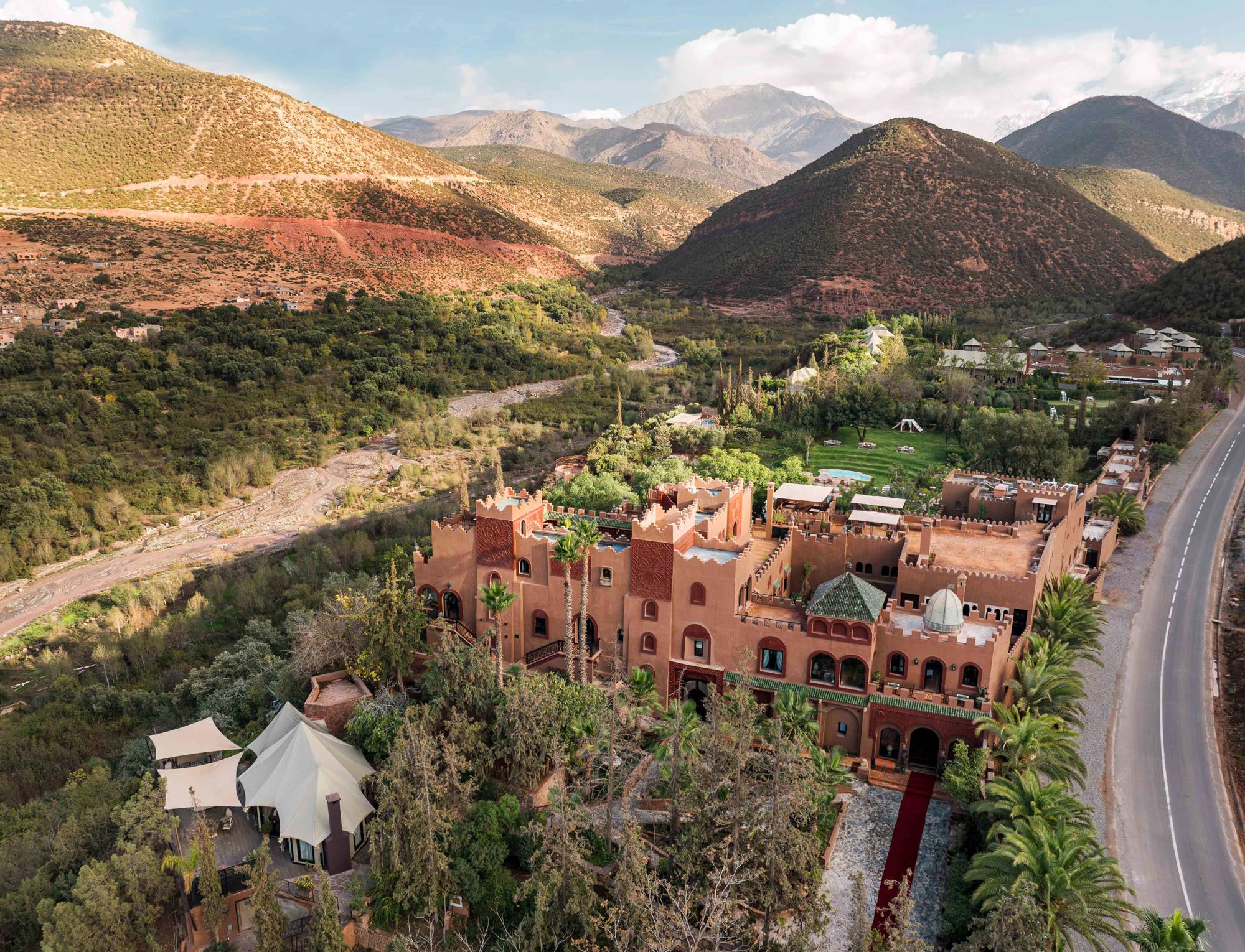
A 28-room property in the Atlas Mountains, approximately one hour from Marrakech by road, owned by Richard Branson. The original structure is a converted kasbah, expanded to include Berber-style tented accommodations with outdoor bathing areas. The setting is high-altitude, with views across the Ouirgane valley. Activities include guided treks to local villages, mule rides and helicopter transfers. The property functions as a counterpoint to Marrakech’s heat and density.
Best for: those combining a city itinerary with a mountain stay.
Notable for: its Berber tented suites and village access.
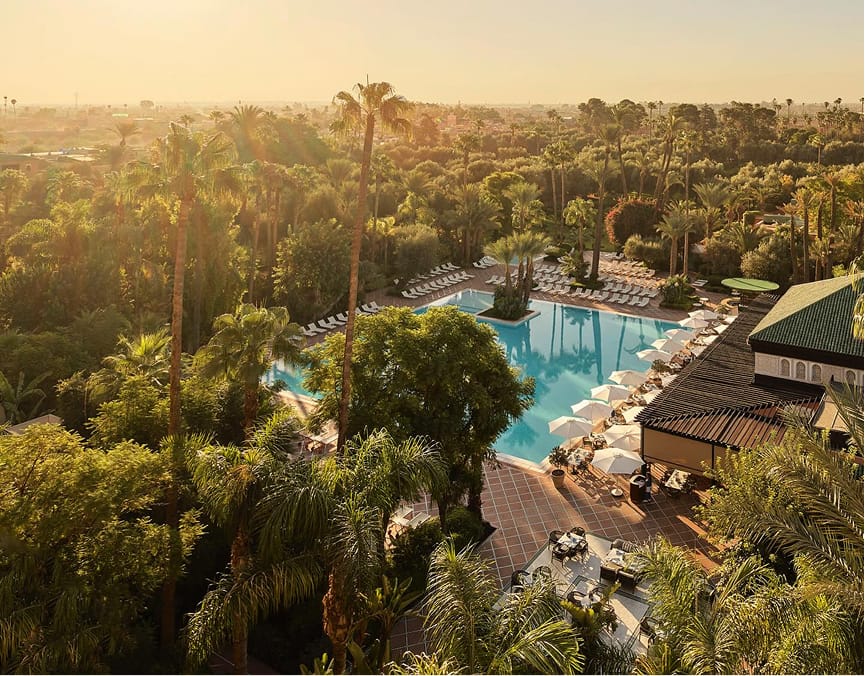
Operating since 1923 and set within gardens that date back nearly three centuries. The property holds 209 rooms and suites. Winston Churchill painted from its balconies; Yves Saint Laurent was a regular guest. Interior design by Jacques Garcia, completed during a major renovation from 2006 to 2009, blends Art Deco references with Moorish ornamentation. The spa covers 2,500 square metres. La Mamounia carries more social energy than most properties in this selection, with active bars and a regular international guest list.
Best for: travellers drawn to heritage hotels with an active social atmosphere.
Notable for: its historical guest list and Jacques Garcia interiors.
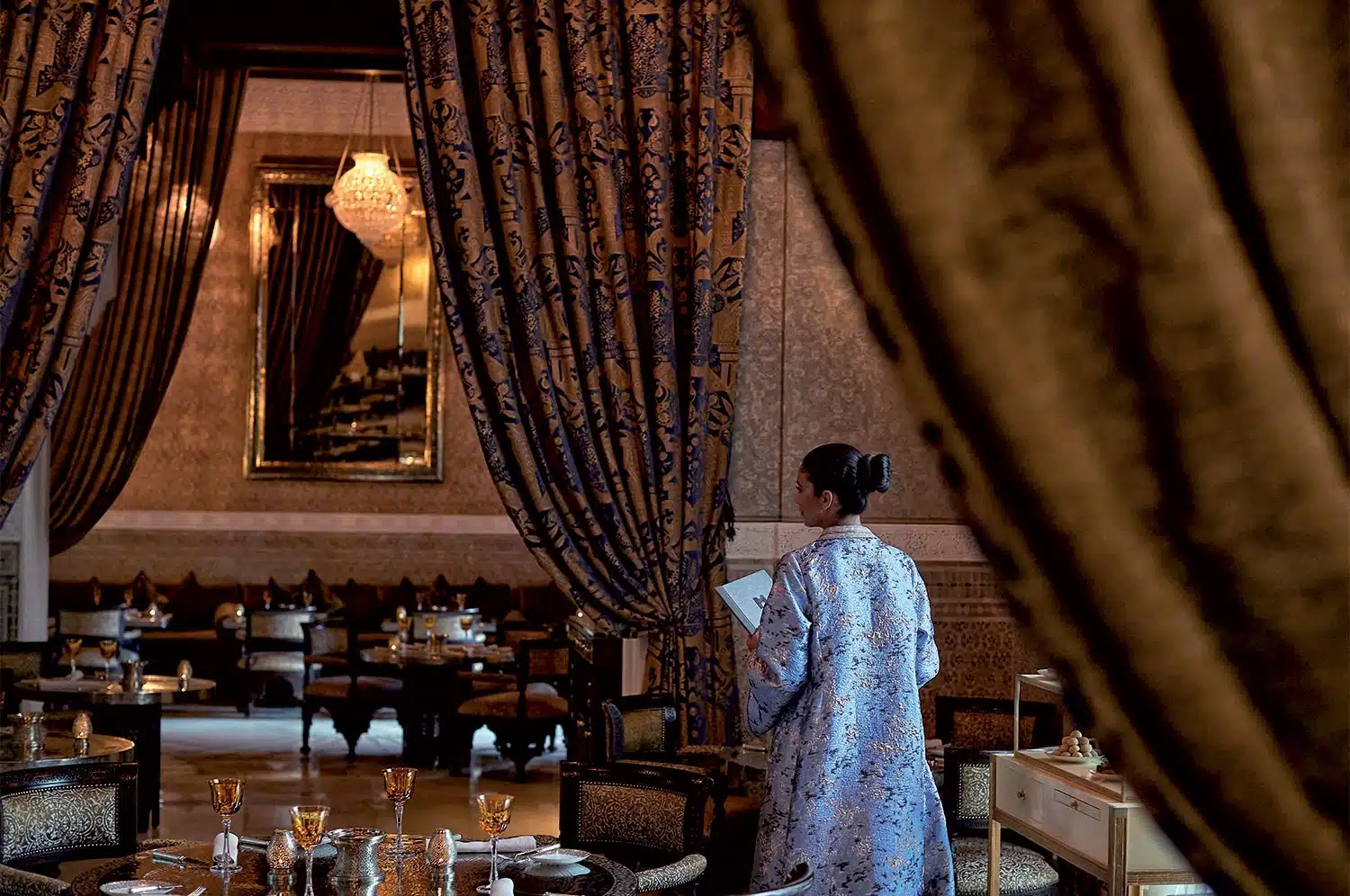
Fine dining within Royal Mansour, now led by Hélène Darroze alongside deputy chef Karim Ben Baba. The menu reinterprets Moroccan court cuisine: pastilla, couscous, sh’hiwates. The setting is formal, with high ceilings, live oud and luth musicians. A member of Les Grandes Tables du Monde.
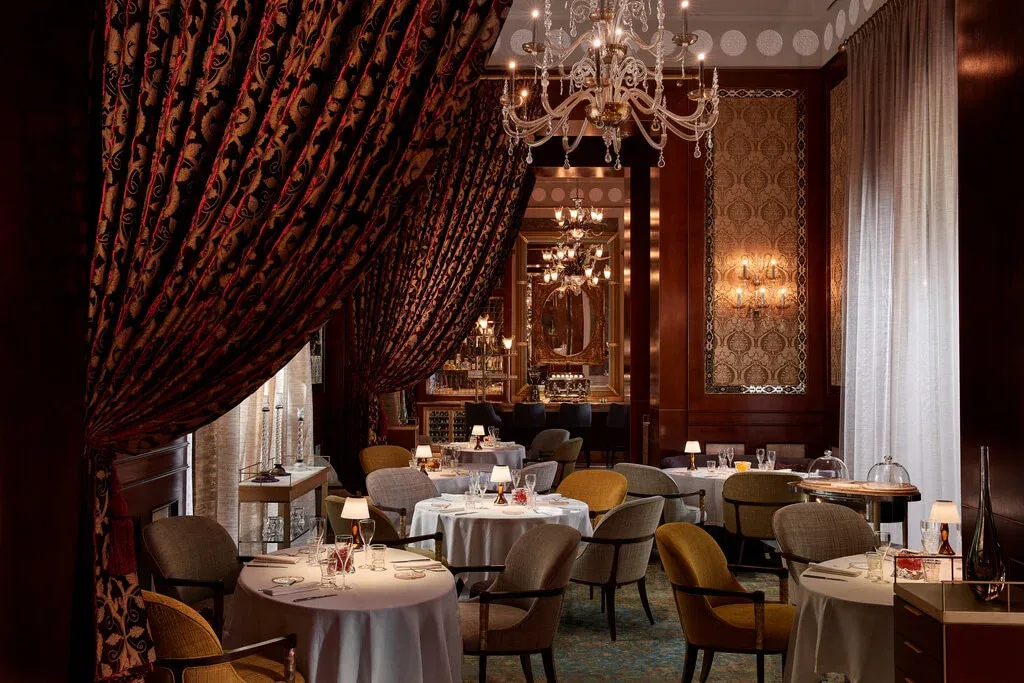
Italian fine dining at Royal Mansour, conceived by three-Michelin-star chef Massimiliano Alajmo. Venetian-influenced interiors. The menu references Northern Italian tradition through a Moroccan lens, with handmade pasta and local produce. One of the most architecturally precise dining rooms in Marrakech.
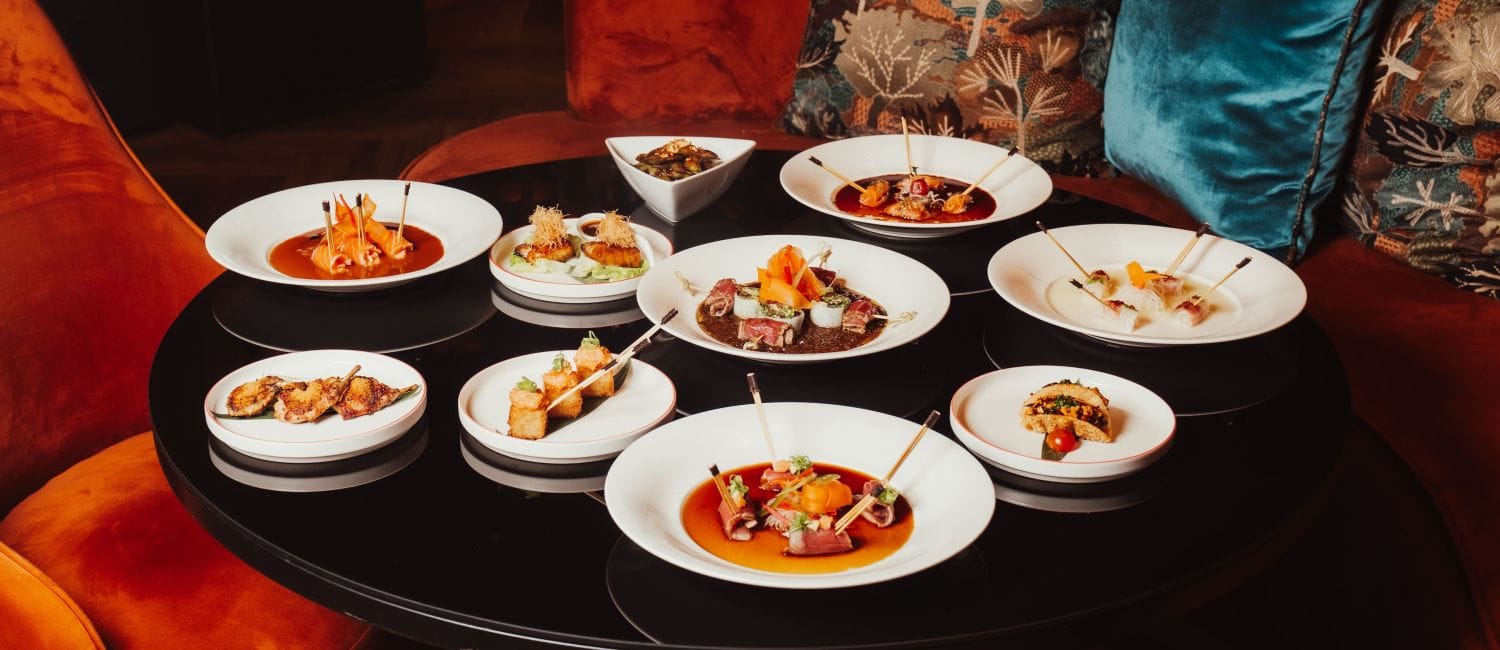
The Marrakech outpost of the global Nobu group, located at the Hotel La Mamounia. Japanese-Peruvian cuisine in a rooftop format. Stronger on atmosphere and social positioning than on culinary originality, but effective for guests seeking a late-evening dining-to-nightlife transition.
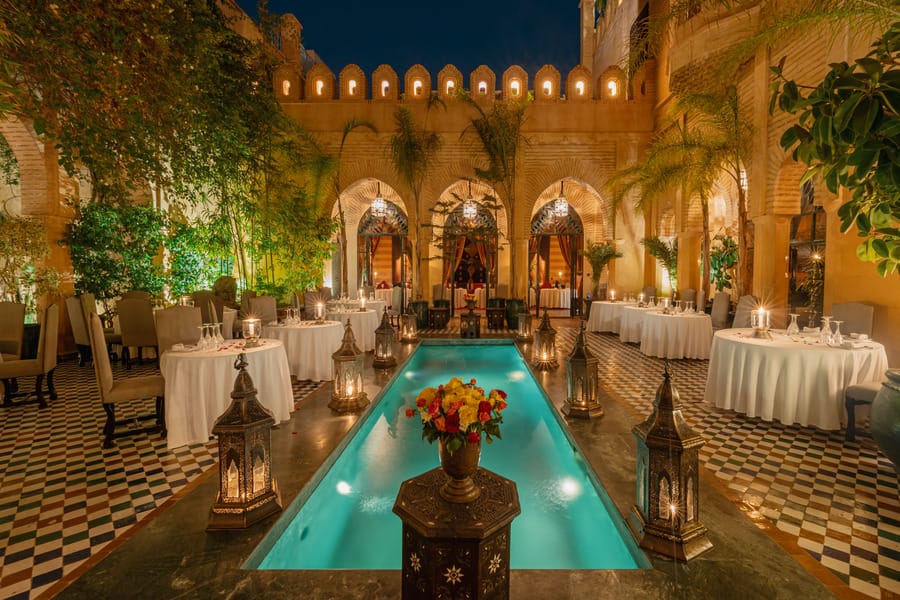
A traditional riad restaurant in the medina serving multi-course Moroccan menus in a setting that retains a sense of occasion without a tourist-oriented format. The evening begins on the rooftop terrace before moving to candlelit dining rooms below. One of the older dining addresses in the city that has maintained its reputation.
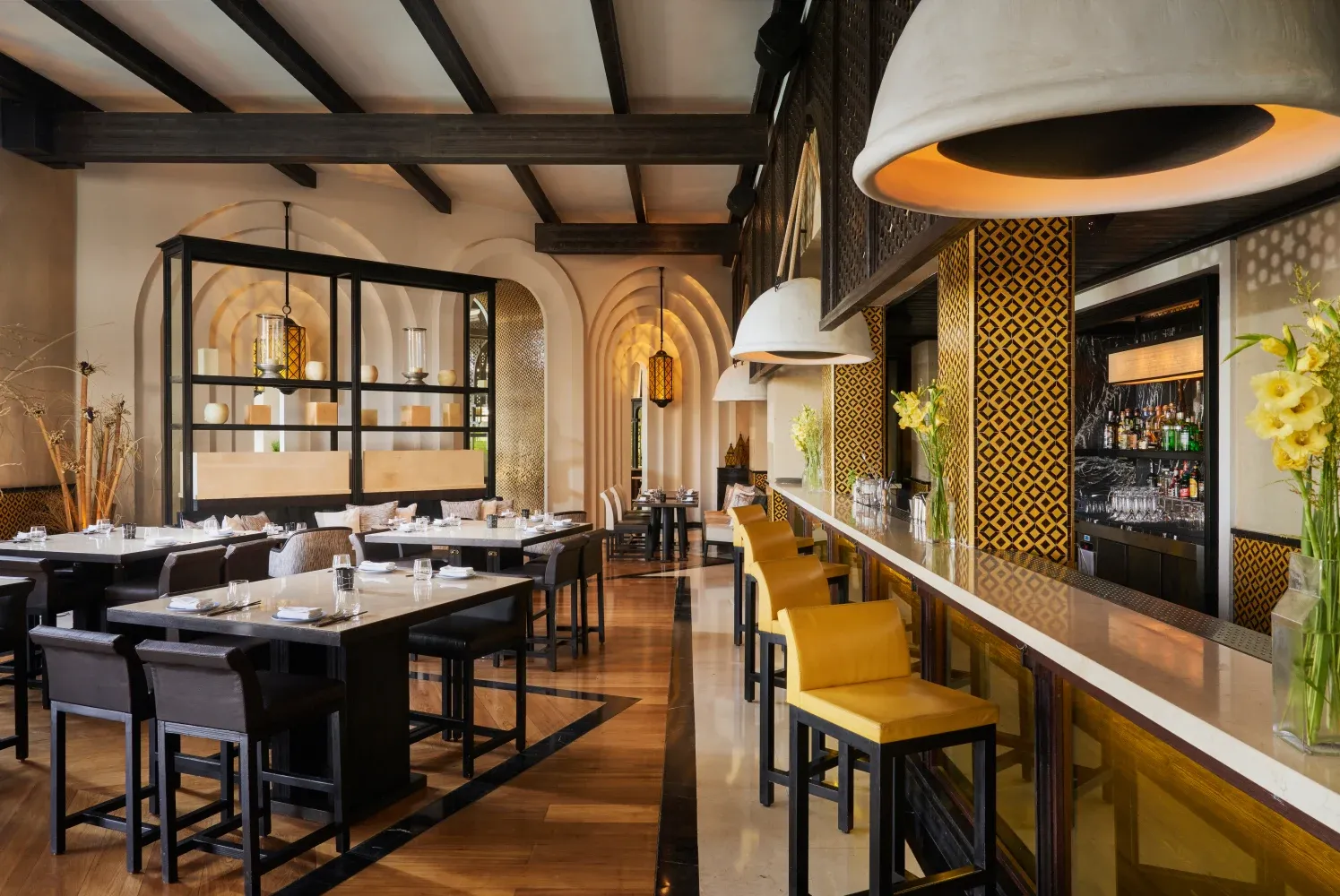
Modern Cantonese sharing plates within Mandarin Oriental, by the Hakkasan group. The format is izakaya-influenced: smaller dishes, a cocktail-forward bar, and a resident DJ programme. Functions as both a restaurant and a late-evening destination. Chef Li Hengfei leads the kitchen.
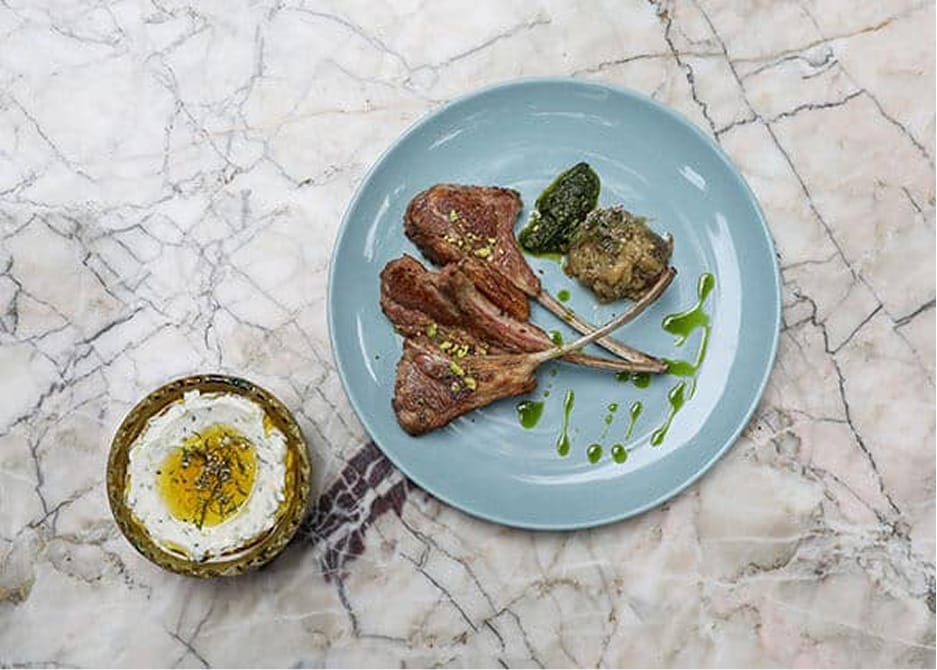
A daytime restaurant in the medina with an open courtyard set among plants and tiled surfaces. Light, vegetable-forward dishes alongside Moroccan staples. The pace is slower than most medina addresses, positioning it as a midday stop rather than a destination dinner.
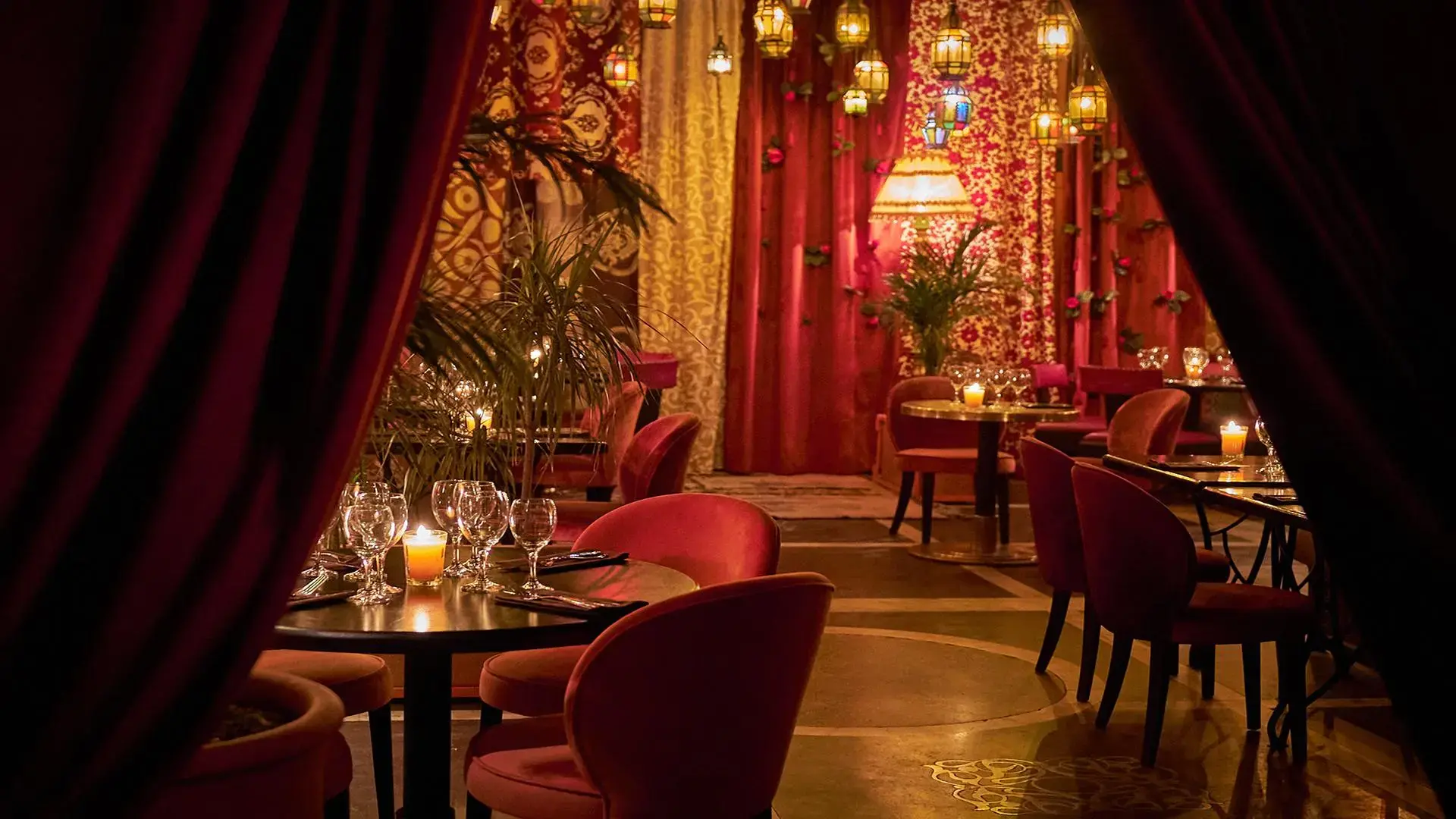
A Marrakech institution combining dinner with live entertainment, including traditional and contemporary Moroccan performance. The format is more theatrical than gastronomic. The atmosphere is lively and social. Functions best as an evening out rather than a fine dining occasion.
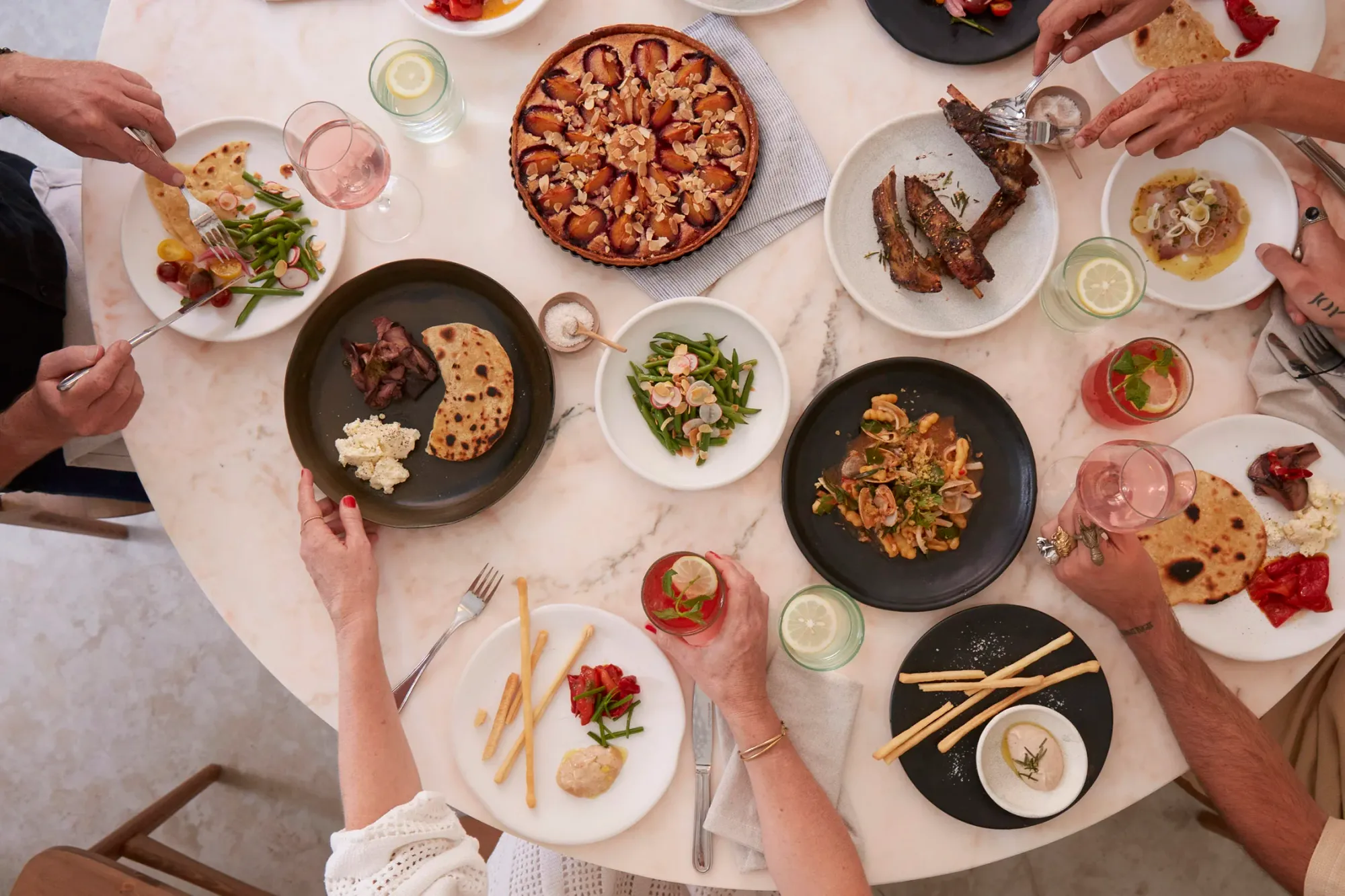
Plus61 Marrakech, a modern Mediterranean kitchen popular with the international resident community. Nomad, a rooftop address in the medina with a contemporary Moroccan menu. Beefbar Marrakech, part of the Monaco-founded group. Oualidia Lagoon, a day trip south to the Atlantic coast for oysters and seafood at the source, roughly two and a half hours from Marrakech by car.
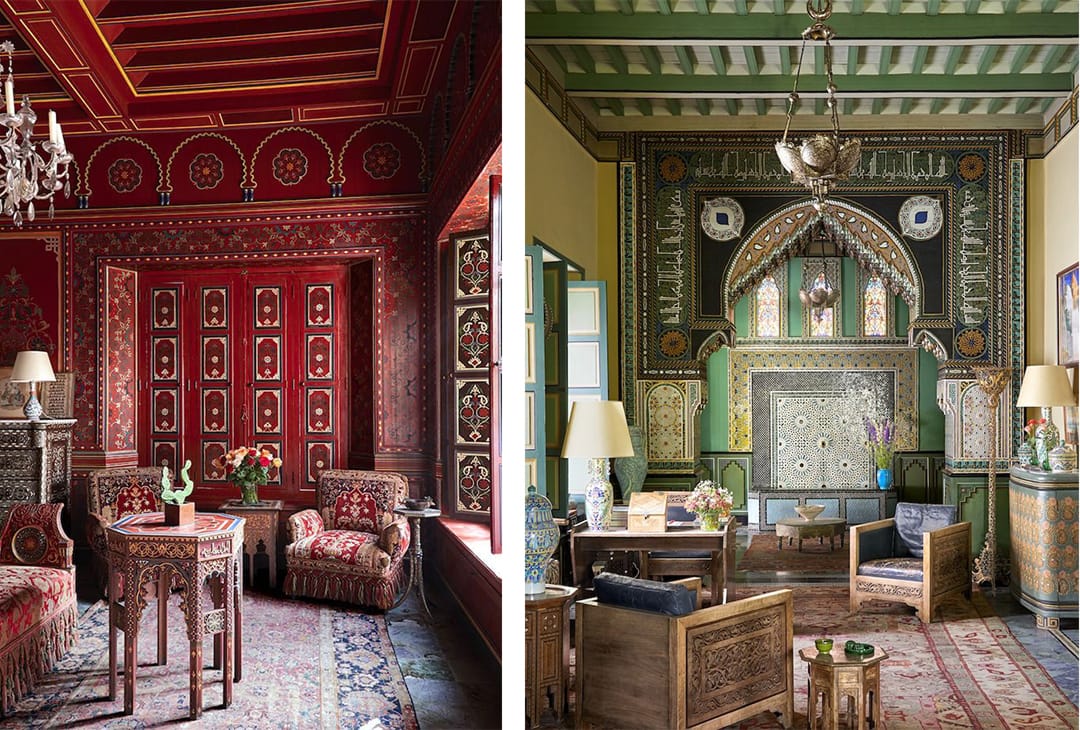
Concierge-arranged visits to private art collections within the medina, closed-gallery viewings with curators, and access to historic riads not open to the general public. Villa Oasis, associated with Yves Saint Laurent’s legacy, is occasionally accessible by private arrangement.
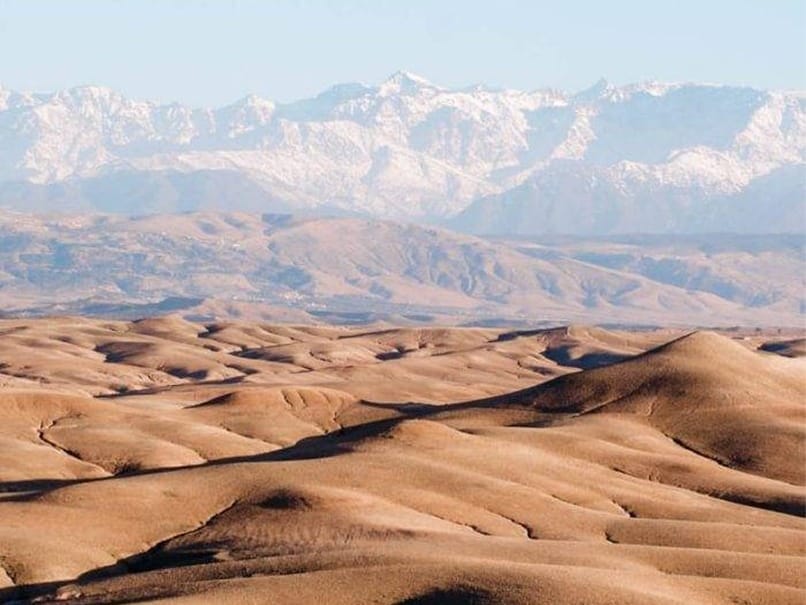
The Agafay stone desert, roughly forty minutes from Marrakech, serves as the setting for private dinners, stargazing sessions with telescopes, and full buyout camp arrangements. Helicopter and hot air balloon departures can be coordinated from the same area.
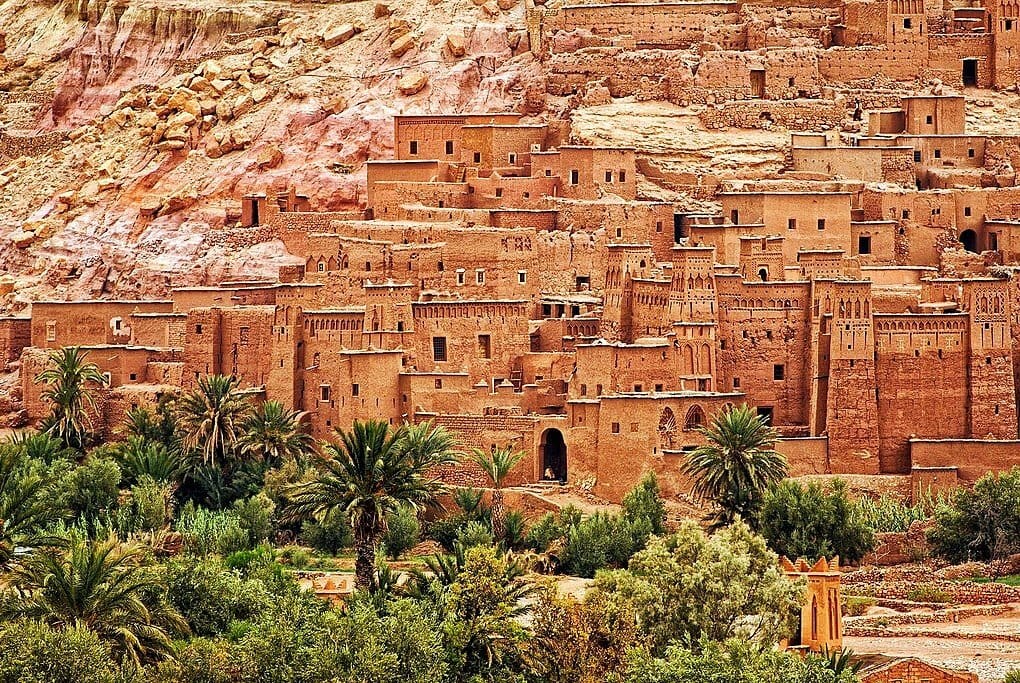
Helicopter transfers to Berber villages for guided treks, private lunches in family homes, and tea ceremonies. Separate from the Kasbah Tamadot experience, these are typically half-day or full-day excursions arranged through hotel concierge teams.
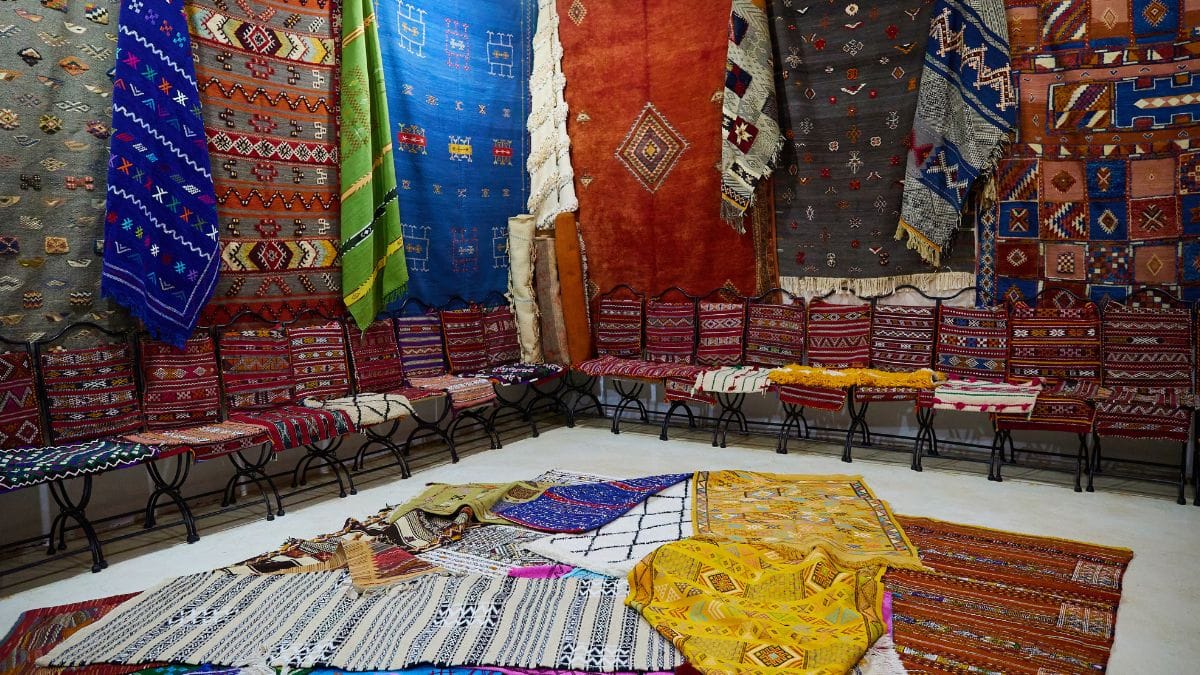
Private tours of leather, ceramic and carpet workshops operating within the medina, arranged outside of regular tourist hours. Guided antique and textile sourcing with a specialist. Arabic calligraphy sessions with a resident master.
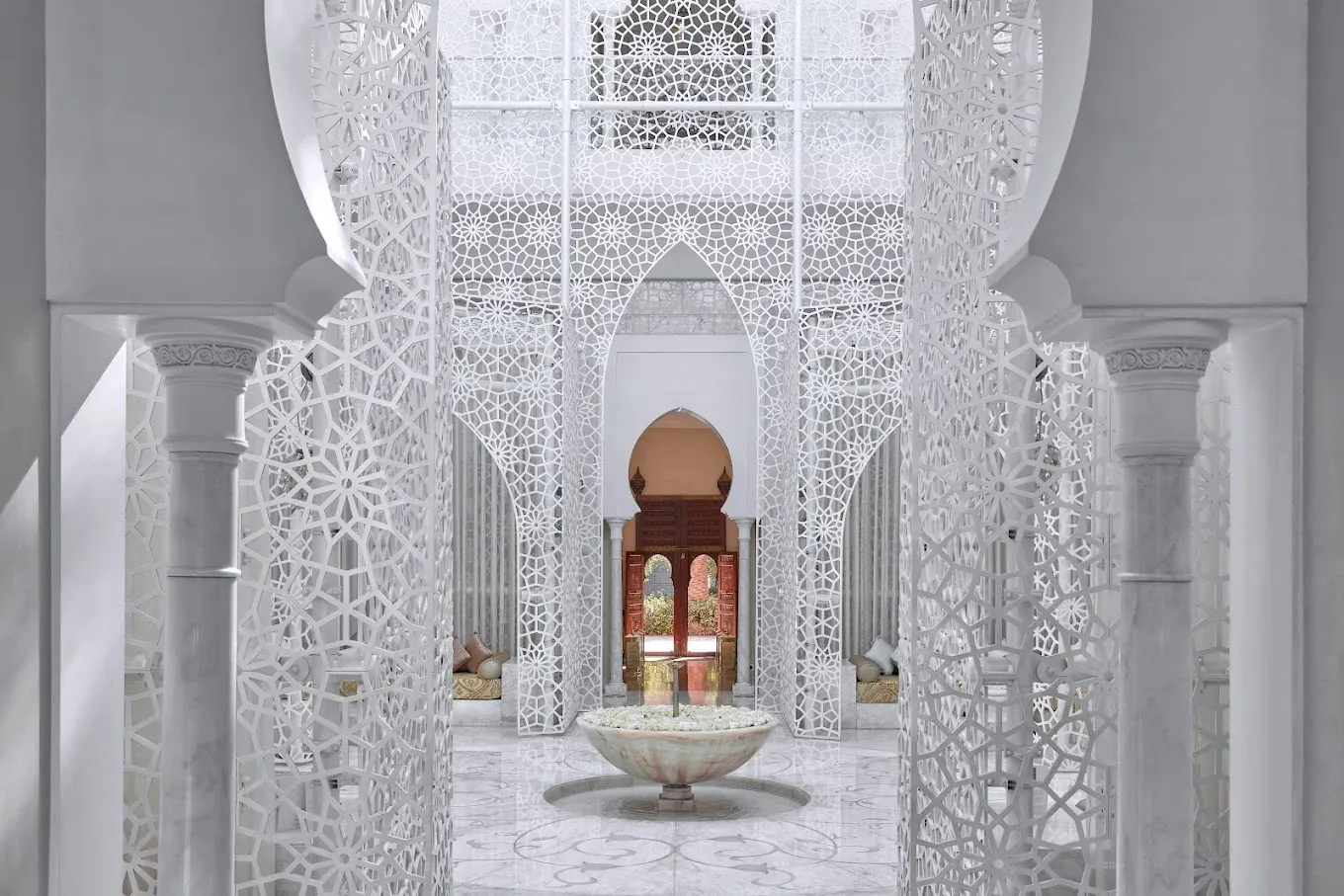
Private hammam sessions in historic riads, with no other guests present. The Royal Mansour spa operates signature treatment programmes by appointment. Several smaller properties in the medina offer single-booking hammam access for a more intimate format.