SOMA Banya: An Eastern European Bathing Ritual in Beausoleil
– 4 min read

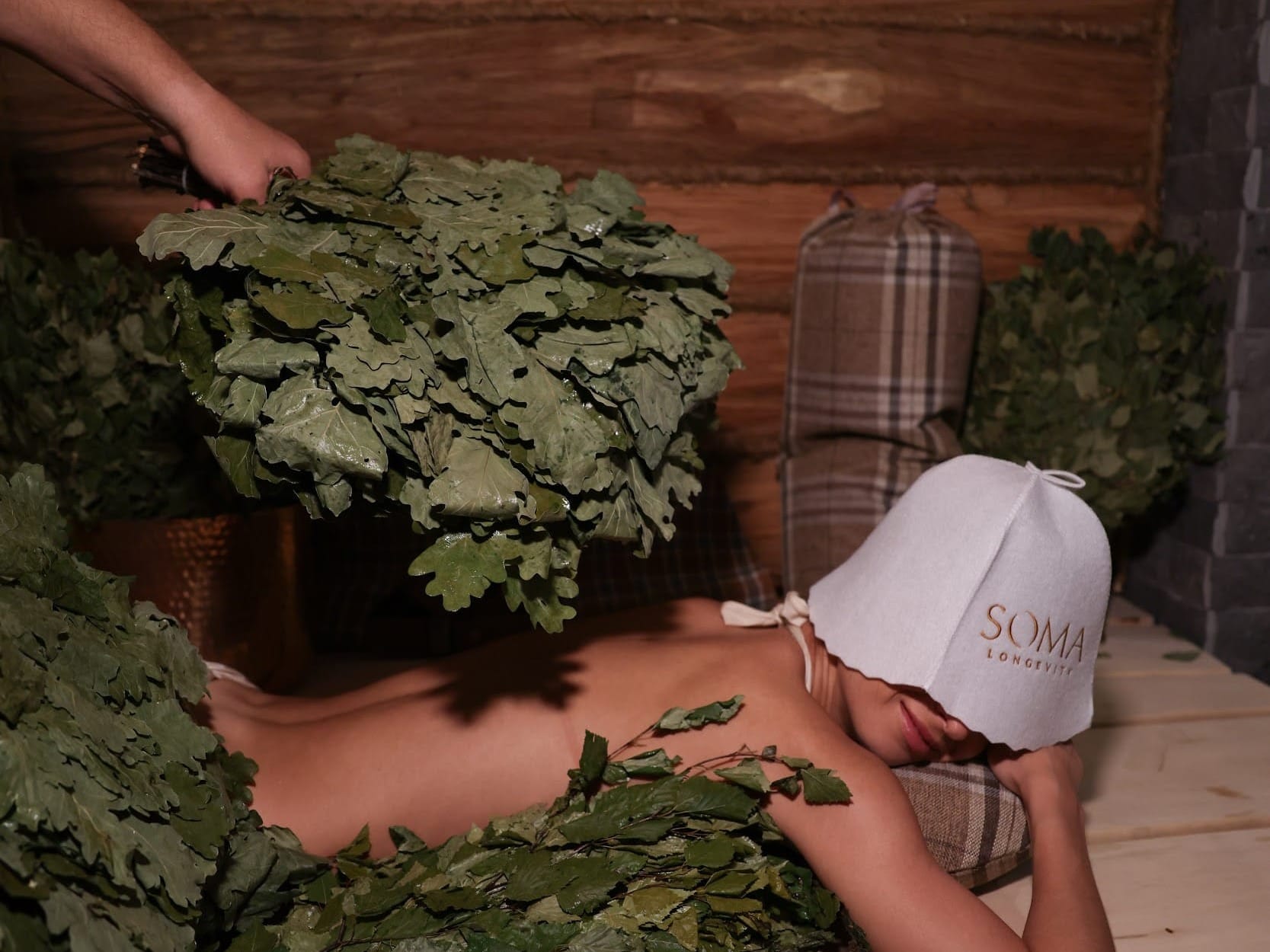
At SOMA Longevity in Beausoleil, a traditional Eastern European banya brings together steam, birch branches, cold water and guided bathing rituals, with private sessions for up to four guests.
At SOMA, a bundle of birch branches is an essential part of the bathing ritual. Known as a venik, it is moved through warm, humid air by a trained banya master, who uses it to direct steam and gently press the leaves against the skin.
For those accustomed to the self-directed routine of a hotel sauna, the presence of a bath master changes the experience considerably. The temperature, timing and physical contact are guided throughout the session.
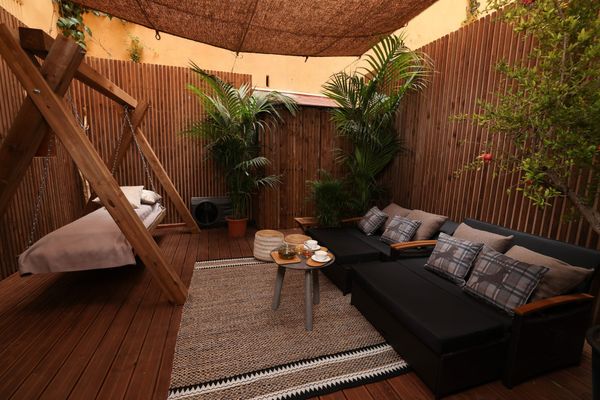
This Eastern European tradition now has an address on the French Riviera. SOMA Longevity occupies 17 Boulevard de la République in Beausoleil, within walking distance of Monte-Carlo. Its facilities include a traditional banya, two relaxation areas, an outdoor courtyard and treatment rooms.
The banya has been part of bathing culture across Eastern Europe for centuries. Historically, it served both a practical and social purpose: a place for washing, gathering and spending time together.
The use of the venik is one of its distinguishing elements. Bundles of birch, oak or eucalyptus branches are used to move steam through the air and make controlled contact with the body.
At SOMA, the process begins gradually. Guests are offered herbal tea before entering the steam room for an initial period of heat exposure. A rinse follows, allowing time to cool down before the next round.
The second stage introduces the venik treatment. The bath master adjusts the movements and intensity according to the guest's response to the heat.
Sasha, one of SOMA's banya masters, describes the technique in musical terms:
"The venik is like an instrument: it can whisper or it can roar."
For first-time visitors, he favours a gentler approach, allowing them to become familiar with the temperature and sensations before increasing the intensity.
Cold-water immersion is another traditional element of the ritual. At SOMA, guests can move from the steam room to a cold pool, followed by periods of rest and additional herbal tea.
The programme also includes time in a suspended relaxation swing, described by SOMA as a zero-gravity experience. A concluding tea ceremony marks the end of the session, while a honey-and-sea-salt body scrub is available as an additional treatment.

For founder Anna Lunhu Wardenaar, introducing the banya to the Riviera was closely connected to her own approach to family life, work and wellbeing.
After having her third child at 45, she became more interested in finding regular time for physical recovery and mental rest while maintaining a demanding professional schedule.
She describes the banya as a personal routine that she sometimes follows alone and sometimes shares with her husband.
That social dimension is central to the concept. A private session for two offers a different format from a conventional couples' massage: participants move through the heat, cooling and resting stages together, with a bath master managing the sequence.
SOMA also accommodates groups of three or four, making the ritual suitable for friends who prefer a shared wellness appointment rather than individual treatments.

Sauna bathing has attracted considerable scientific interest, particularly for its possible relationship with cardiovascular health. Observational studies have associated regular sauna use with certain favourable long-term health outcomes, although these findings do not establish that heat exposure itself extends lifespan.
Research on alternating heat and cold is less conclusive. Temperature changes produce immediate circulatory responses, but there is insufficient evidence to conclude that contrast bathing provides lasting metabolic benefits or slows biological ageing.
The common idea that heavy sweating removes harmful toxins or produces meaningful fat loss is also unsupported. Sweating primarily regulates body temperature, while the liver and kidneys perform most of the body's waste-removal functions.
For SOMA's guests, the more tangible appeal lies in the structure of the session: guided heat exposure, physical contact, cooling intervals and uninterrupted periods of rest.
The cold plunge is not necessarily appropriate for everyone. People with cardiovascular conditions or other relevant health concerns should seek medical advice before undertaking intense heat-and-cold routines.

SOMA's wider treatment menu includes deep-tissue and sports massage, lymphatic drainage, relaxing body massage and treatments focused on the head, neck and shoulders.
Body wraps and exfoliating treatments are also available. These can be booked separately or arranged around a banya appointment, depending on the chosen programme.
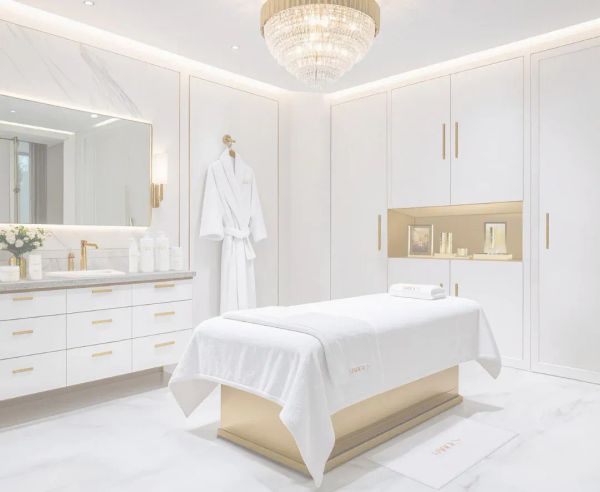
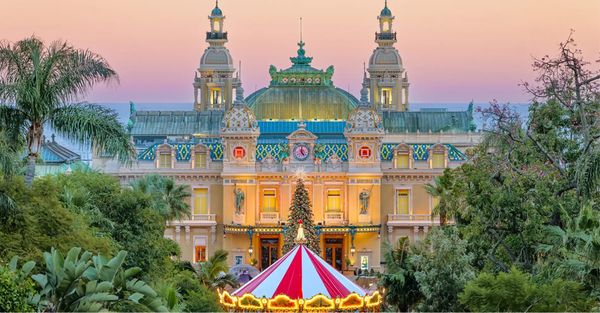
The space combines natural materials and warm interior tones with private areas for resting between treatments. Its setting in Beausoleil places it close to Monaco's established hospitality and wellness scene, although the banya itself follows a tradition with a distinctly different cultural history.
What distinguishes SOMA Banya from a conventional spa appointment is the sequence and the role of the bath master. Steam, branches, cold water and tea are familiar elements in Eastern European bathing culture. Here, they form a privately booked ritual on the Côte d'Azur.

The currently listed first-time banya programmes are:
A honey-and-sea-salt scrub is listed at €60. Sixty-minute massages generally range from €150 to €170, depending on the treatment.
Address: SOMA Longevity, 17 Boulevard de la République, 06240 Beausoleil, France
Reservations: +33 6 31 80 96 44
Instagram: @soma_longevity_monaco
Prices are based on the online booking menu checked in October 2026 and should be reconfirmed before visiting.