London Luxury Real Estate: The £265 Million Chelsea Mansion Deal
– 1 min read

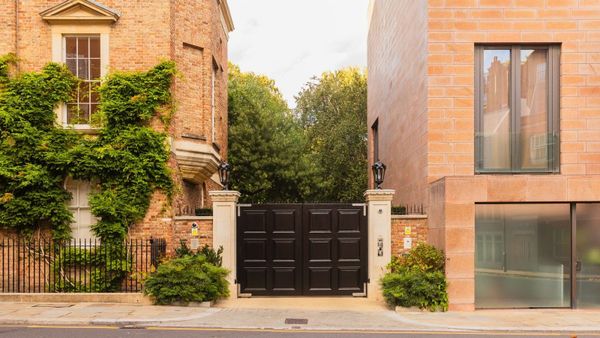
The reported £265 million sale of Providence House in Chelsea has returned to the headlines after its structure was linked to an estimated £18.5 million difference in Stamp Duty Land Tax.
Providence House, a Grade II-listed Chelsea villa built in 1809, was reportedly sold in May 2026 by Nick Candy to hedge-fund manager Suneil Setiya for £265 million. The figure makes it the reported highest-value house sale in Britain. The property sits within the grounds of the Royal Hospital Chelsea and was substantially remodelled during Candy’s ownership.
The transaction has attracted renewed attention not because of the house itself, but because Providence House was reportedly sold together with five nearby flats, bringing the total number of dwellings in the transaction to six.
HMRC guidance states that six or more residential properties bought in a single transaction are treated as non-residential for SDLT purposes. The current non-residential rate reaches 5%, while the top standard residential rate is 12%.
Analysis by Tax Policy Associates estimated that a £265 million residential purchase would have generated about £31.8–£32 million in SDLT, compared with approximately £13.25 million under the non-residential treatment — a difference of around £18.5 million. These are calculated figures rather than a publicly disclosed tax return.
The case has prompted calls from MPs for changes to the six-dwellings rule, with the Financial Times reporting political pressure for reform. The reported buyer’s position is that the transaction complied with applicable rules. Public reporting reviewed for this article does not establish that HMRC has formally ruled the structure invalid.
For London luxury real estate, the transaction is notable for a different reason: at this level, the purchase is not simply about the house, but also about how a complex portfolio transaction is legally structured around it.