Residential Yachts: The Next Ultra-HNWI Address
– 2 min read

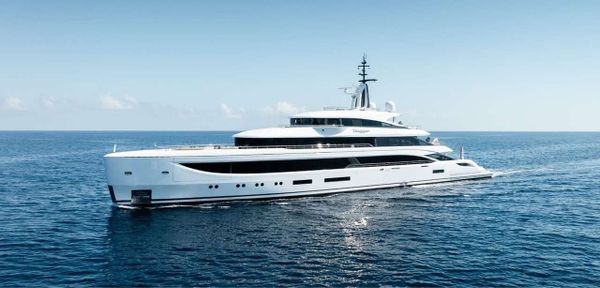
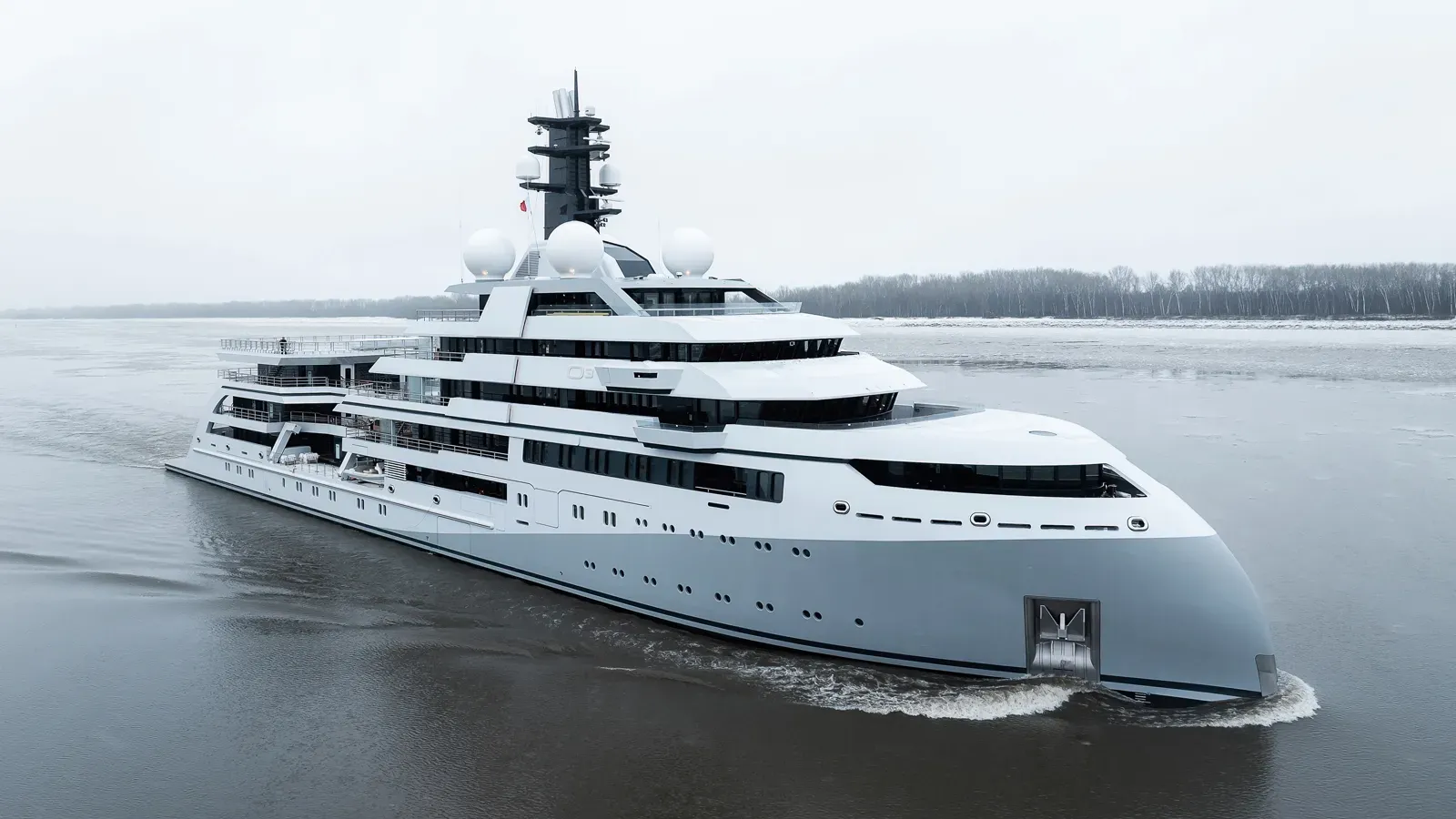
For ultra-high-net-worth individuals, the concept of home is becoming untethered. The recently delivered 109-metre Lürssen explorer yacht O3 is among the new generation of vessels demonstrating how large custom superyachts are increasingly being conceived as long-term floating residences rather than purely seasonal leisure assets. As Boat International’s June 2026 news roundup noted, the residential yacht segment is quietly reshaping the top tier of the marine market.
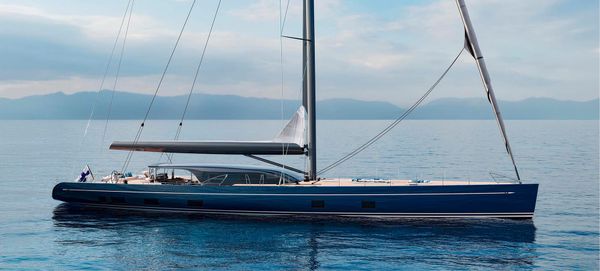
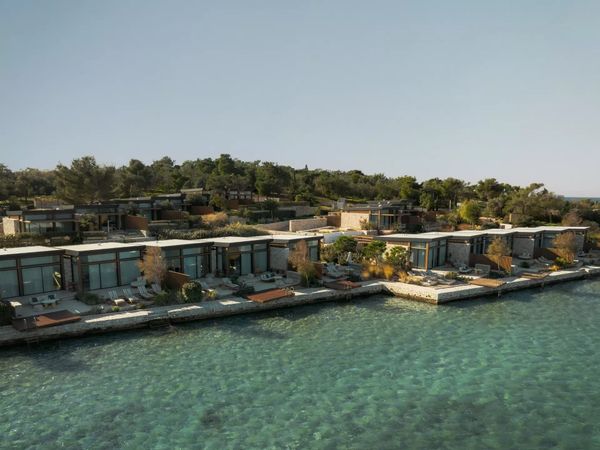
A residential yacht is a large vessel structured around privately owned apartments or full-deck residences, with hotel-style services and an itinerary that often mirrors a perpetual circumnavigation. For its owners, it functions as a primary or secondary address, replacing or complementing property in Monaco, London, Dubai, or New York. The yacht ceases to be a trophy and becomes a mobile infrastructure for a global lifestyle.
The global yacht market was valued at US$12.36 billion in 2023 and, according to industry reports, the luxury yacht segment alone is projected to reach US$19.04 billion by 2034, growing at a compound annual rate of 6.28%. Behind the numbers is a demographic shift: new-generation UHNWIs, YATCO observes, “do not equate luxury simply with status; they equate it with meaning, access, and transformation.” Yachting is no longer a display of wealth but a tool for mobility, privacy, and the ability to manage global projects from a single, moveable base.
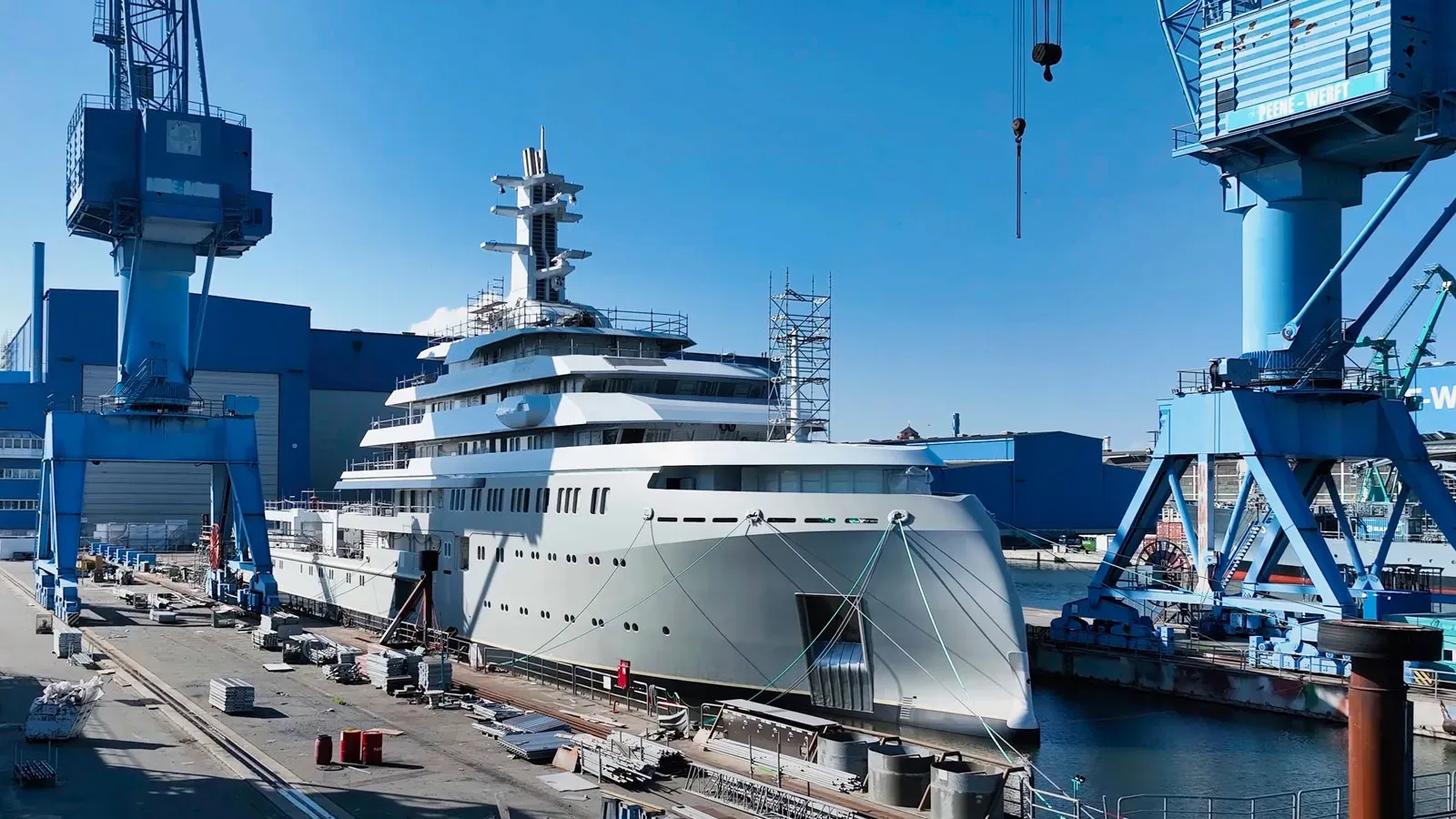
Turning a yacht into a year-round home demands more than spacious cabins. Builders now routinely specify selective catalytic reduction (SCR), shore-power capability, and hybrid hotel loads—battery-supported systems that allow quiet, emissions-reduced overnight stays at anchor. These technologies reduce generator noise and exhaust, making extended residential use feasible. Build timelines for such vessels typically run three to five years, aligning with real estate development cycles rather than impulse purchases.
YATCO's 2026 market analysis notes that buyers are exercising "deeper due diligence, structured comparison, and a willingness to wait for the right opportunity." This reflects a shift towards long-term ownership rather than short-term asset turnover. Although highly customised layouts may limit future resale opportunities, buyers increasingly prioritise practicality, operational efficiency and enduring value. The recently delivered O3, with interiors by Cristina Gherardi Design (CG Design) and an exterior originally developed by Salt Ship Design before being extensively refined by Espen Øino International, illustrates how today's flagship superyachts are being designed to support prolonged living at sea without compromising expedition capability or luxury.
Residential yachts sit at a complex intersection of maritime law, tax residency, and sustainability scrutiny. Flag-state regulations, immigration compliance, and carbon footprint concerns remain under-discussed. Nevertheless, the combination of rising UHNWI numbers, advancing onboard technology, and a desire for perpetual mobility is pushing the concept from experiment to address of choice. The market is niche, but the infrastructure is increasingly in place.
Source: Boat International, YATCO, Fortune Business Insights, Persistence Market Research