South Africa's quiet safari secret

– 5 min read

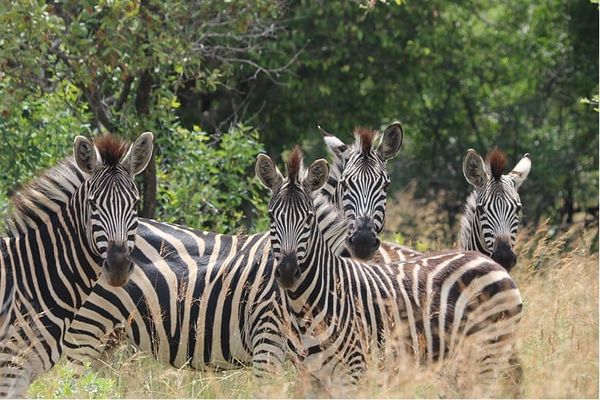
What if I told you there’s a house somewhere in the South African wilderness where you can relax in a hammock while giraffes wander on the far hillside? Where you can bike with impala and not another soul in sight?
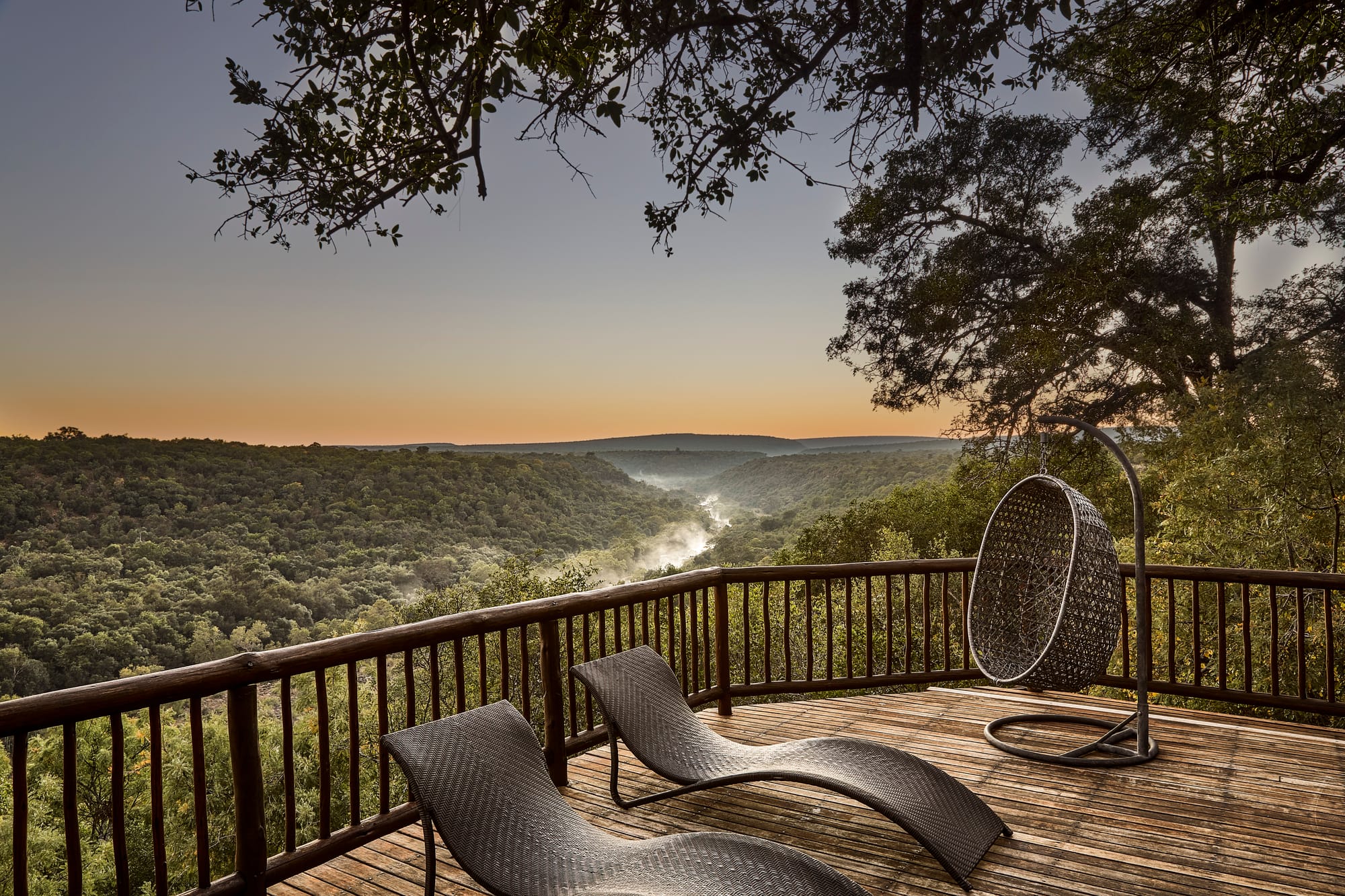
Think of a safari in South Africa, and there’s probably one place on your mind: Kruger. It’s iconic, and deservedly so, but South Africa has so much more to offer than just one national park and the Big Five. Take the Waterberg, for example.
North of Johannesburg, this UNESCO-listed biosphere doesn’t compete with South Africa's famous reserves, but rather offers a different experience altogether.
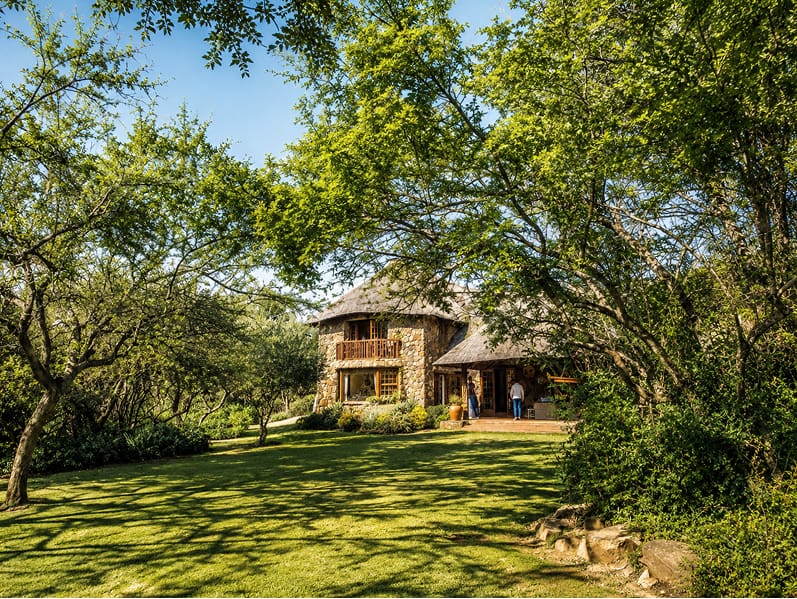
Its ancient mountains are estimated to be among the oldest on Earth. Shaped over millions of years, these sandstone cliffs are surrounded by wide valleys, open plains and dense bushveld. And it is one of the few places in South Africa where conservation, farming and private reserves exist side by side across an enormous protected landscape. Because of this, the region feels remarkably untouched. You can drive for long stretches without seeing another vehicle, then suddenly round a corner to find warthog grazing beside the road or a troop of baboons in the trees.
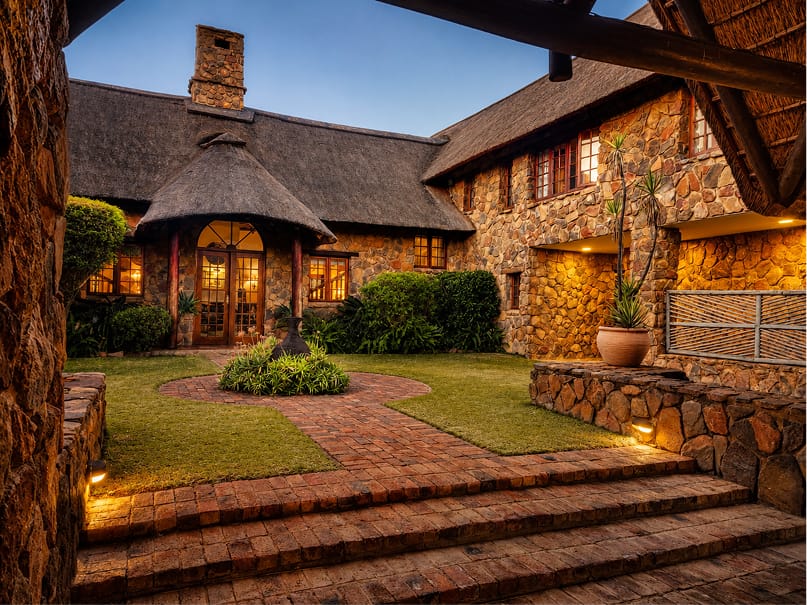
The diversity of habitats and the presence of underground water reserves, hence the name Waterberg, support an equally impressive range of wildlife. More than 50 species of mammals live here, alongside over 300 species of butterflies, hundreds of reptiles and amphibians, and well over 400 bird species. While some reserves within the Waterberg are home to the Big Five, others focus on creating a safari experience where walking, cycling and spending time outdoors become just as important as the game drives themselves. It is the type of place where children can safely discover the bush and where birdwatchers can spend hours searching for more species to tick off their life list.
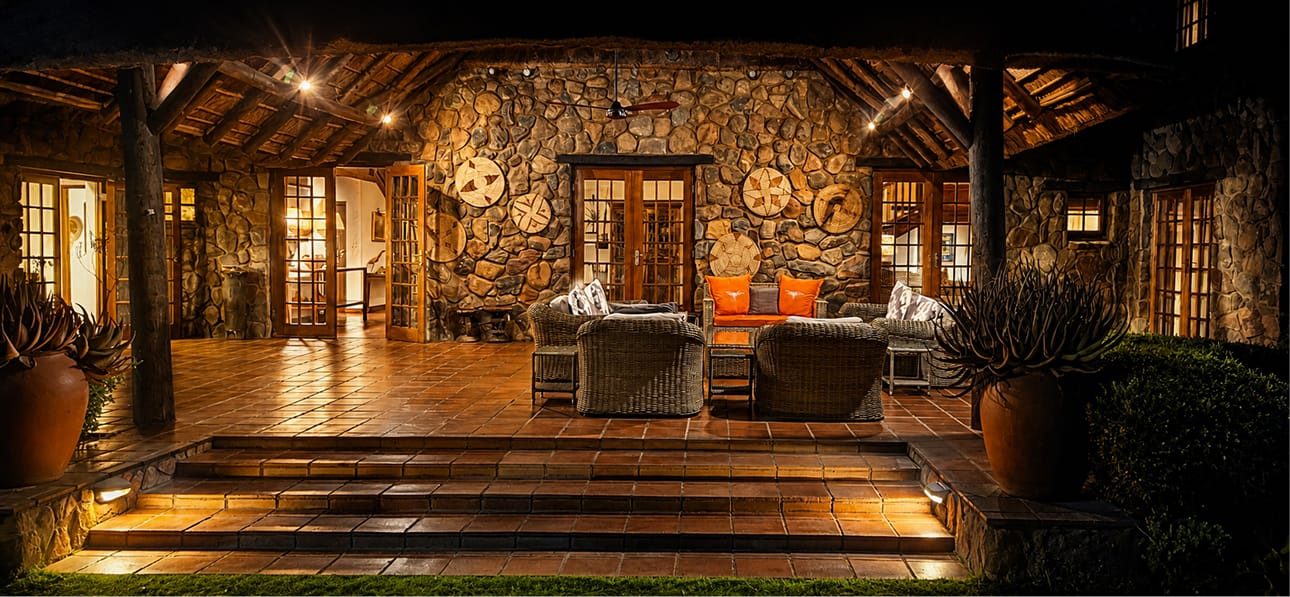
The area is also not defined by large commercial lodges, but rather by boutique hotels and bush homes. Among them is Jembisa Bush Home, a property I recently visited that perfectly captures the Waterberg. Originally built as a family residence rather than a conventional safari lodge, it still retains that sense of familiarity. Walk through the doors, and you feel like you have stepped into someone’s beautifully curated home.
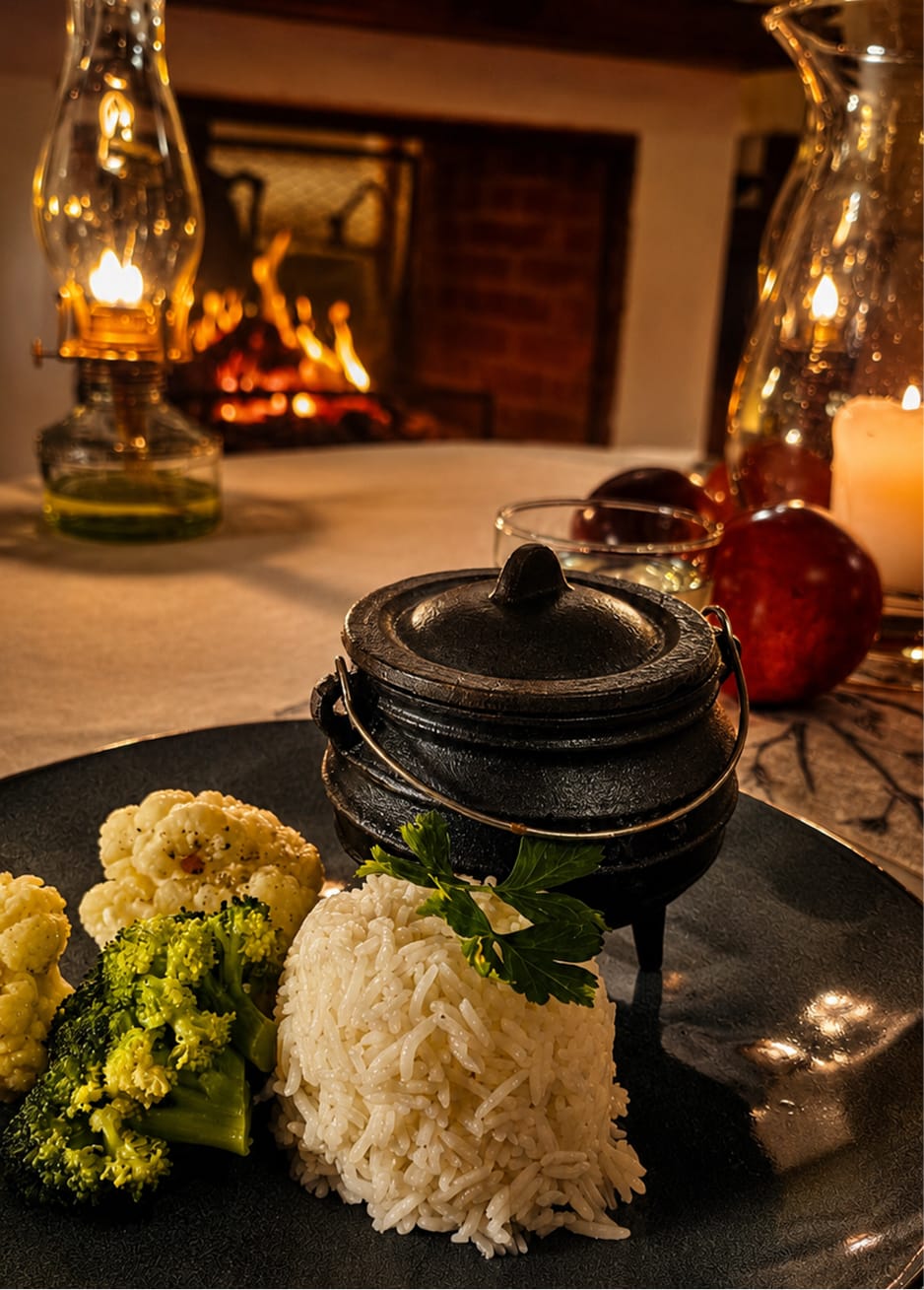
Two separate wings can be booked in their exclusivity, so you’re never sharing with more than one other family, with each wing having multiple bedrooms and bathrooms. They overlook a central area with a lounge, library, kids’ playroom and breakfast room. The entire place feels more like a private country house than a hotel, with its wood and thatch, antiques collected over many years, comfortable sofas, original artworks and shelves lined with books. And as any good South African home should have, there’s a large central fireplace for warming the living space in winter and a wide veranda that invites you outside. There is also a swimming pool, plenty of quiet corners to disappear into with a book, and enough space to spread out.
The experience is also fully inclusive, so once you arrive there is little to think about. Accommodation, all meals, local drinks, guided activities and game drives are included, with meals taken in a different place each day, whether that’s outdoors on the lodge lawn, or out somewhere in the bushveld. Because there are so few guests, the team quickly gets to know everyone by name, and children are welcomed as enthusiastically as adults, with flexible meal times, child-friendly activities and guides who are happy to tailor outings to younger explorers.
The nice thing about staying at a property that is so small is that your days aren't dictated by the rigid schedules that typically define the safari experience. Instead, activities are tailored to your individual interests. You may choose a gentle morning game drive followed by hours beside the pool, or you could decide to explore on foot with a guide to learn about medicinal plants, animal tracks and the smaller creatures that so often go unnoticed.
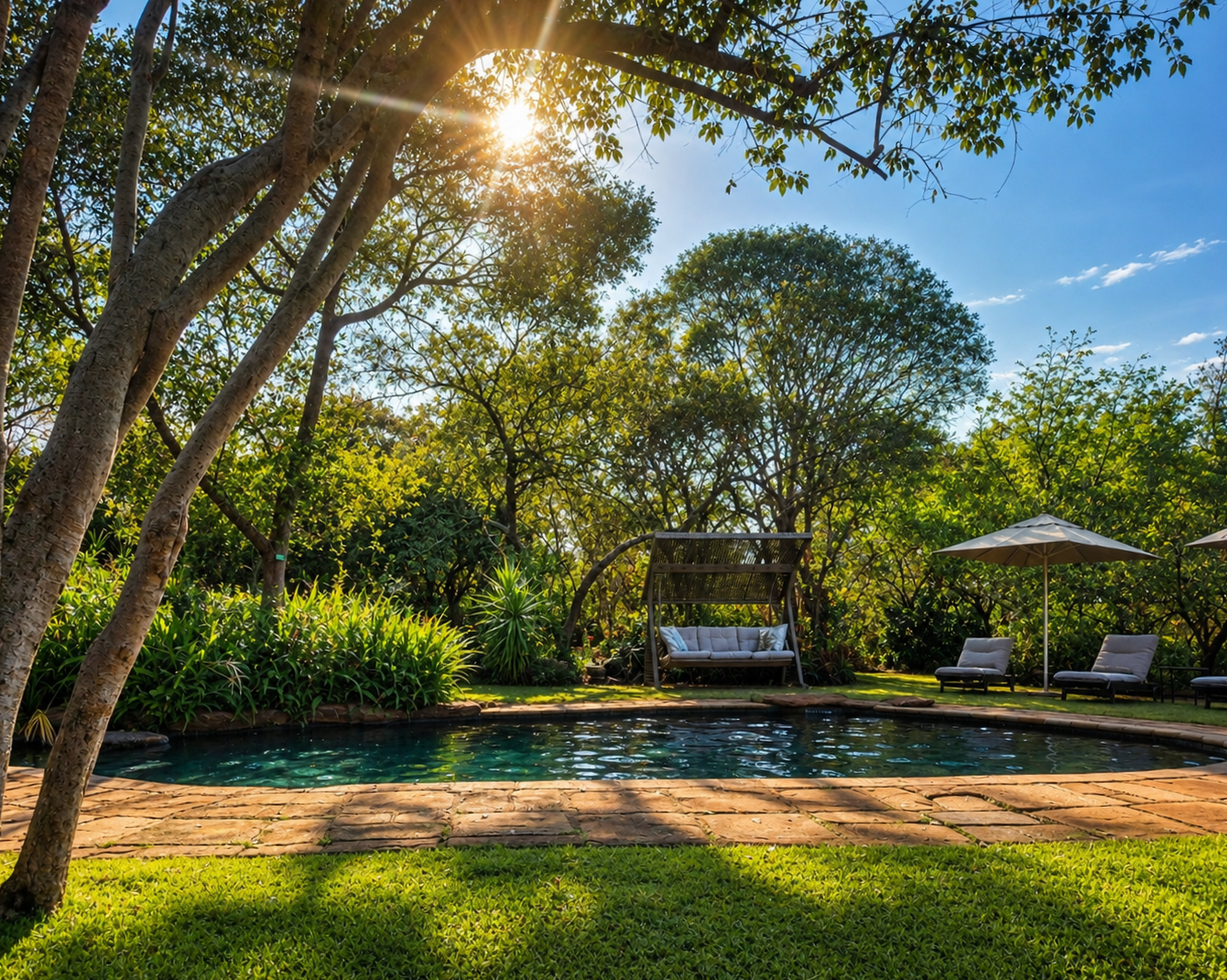
There are also opportunities to mountain bike through the reserve, sleep beneath the stars during guided wilderness camp-outs, explore ancient San rock art, enjoy astronomy evenings or simply spend an afternoon on the veranda with a good book while the kids enjoy the playroom.
That doesn’t mean you won’t see anything on your game drives, but rather than simply ticking species off your list, equal emphasis is placed on the experience itself as on the wildlife you see.
And any wildlife you see here is also entirely yours to savour. Unlike some of Africa's more famous safari destinations, where sightings can attract multiple vehicles, it’s just you and your guide on the reserve. You can choose to watch a family of giraffe feeding for as long as you want because there’s no rush to find the lions. Lunch can stretch lazily into the afternoon because nobody is waiting for your table. And you may spend the afternoon on a walk learning how termites build towering cathedrals that reshape entire ecosystems.
The area is also malaria-free, removing one of the biggest concerns for families travelling with children. And it’s easily reached from Johannesburg via a 3½-hour drive on good roads, which means that it can work either a first safari or the beginning of a longer South African itinerary. Spend a few nights in the Waterberg to slow down, reconnect with nature and enjoy a more personal style of safari before heading elsewhere in the country. Or simply stay put. With no pressure to chase the next sighting or stick to a timetable, you might find yourself doing something people often seek but rarely do on holiday: absolutely nothing at all.


