Elie Saab: The Art of Modern Couture
– 2 min read

Few names have shaped the language of modern eveningwear as distinctly as Elie Saab. Founded in Beirut in 1982, when its namesake designer was only 18, the house began as a small atelier specialising in bridal and couture creations. Saab’s early fascination with embroidery, silk, crystals and intricate handwork soon developed into a signature vocabulary of femininity, eventually taking him from Beirut to Rome, Milan and Paris. Today, ELIE SAAB remains one of the leading names in Haute Couture, with ateliers in both Beirut and Paris.
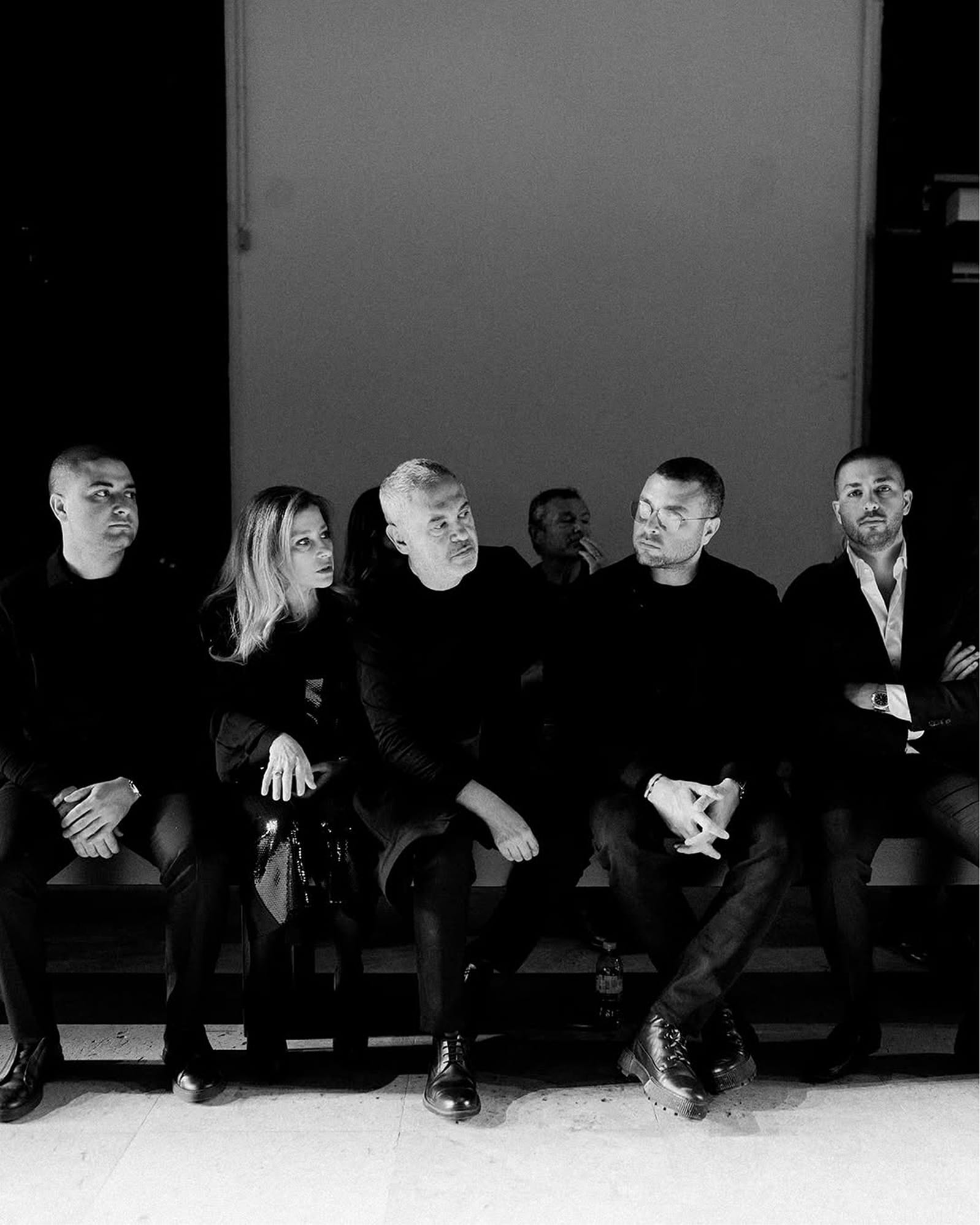
At the centre of the house is Elie Saab himself, whose design philosophy bridges Middle Eastern heritage and European refinement. Rather than pursuing constant reinvention, Saab has built his reputation through mastery of silhouette, embellishment and proportion. His gowns are recognisable for their fluid construction, intricate embroidery and ability to transform the wearer into a commanding presence without overwhelming her individuality.
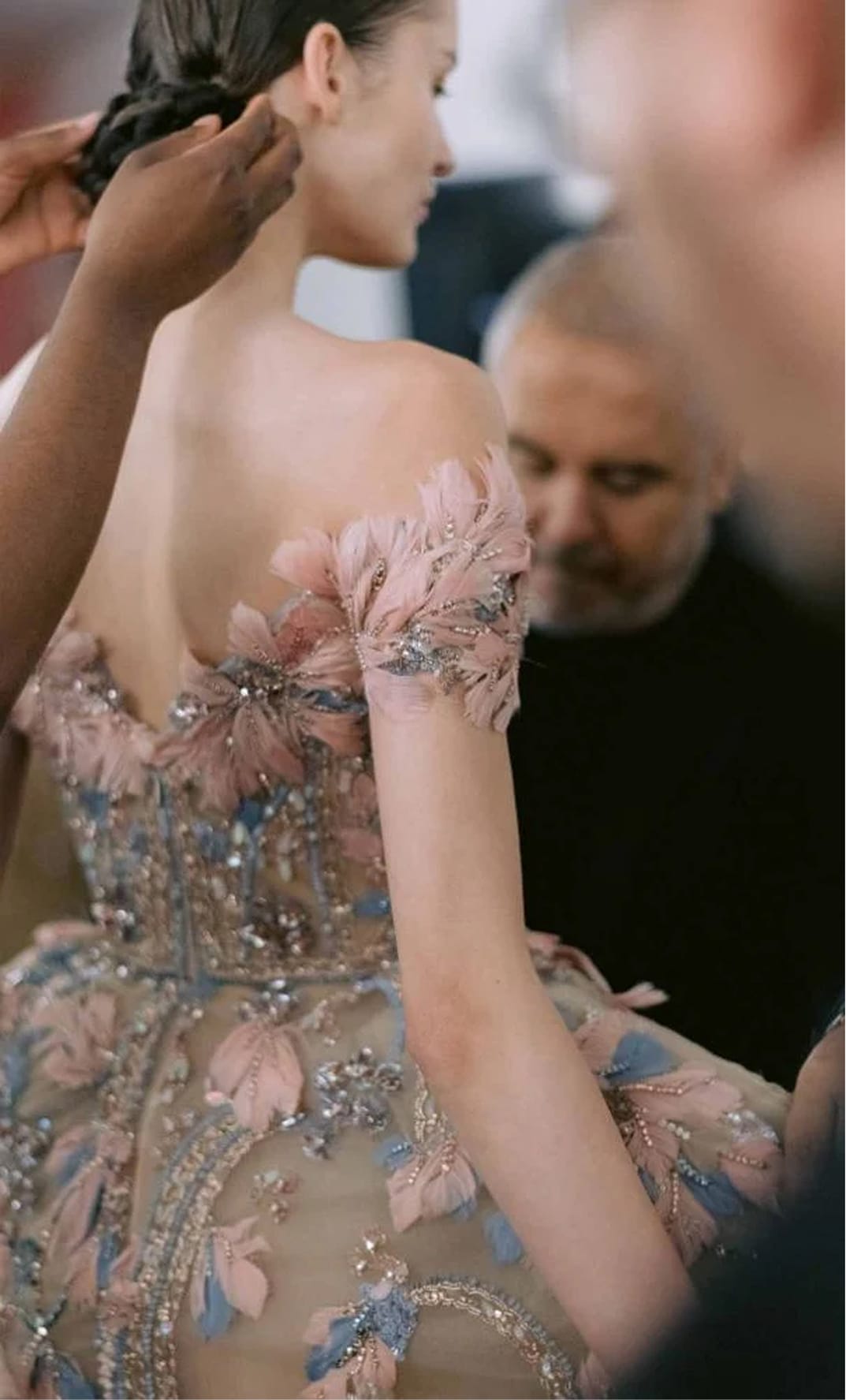
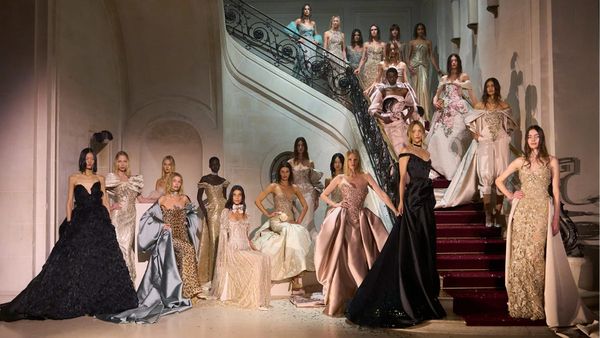
Among the house’s most recognisable creations are its floor-length embroidered gowns, sculpted evening dresses and couture silhouettes defined by trains, sheer layers and crystal embellishment. The brand’s handbags — including The Wave, The Pli, The Jolie and The Midnight — have extended the house’s visual language beyond couture.
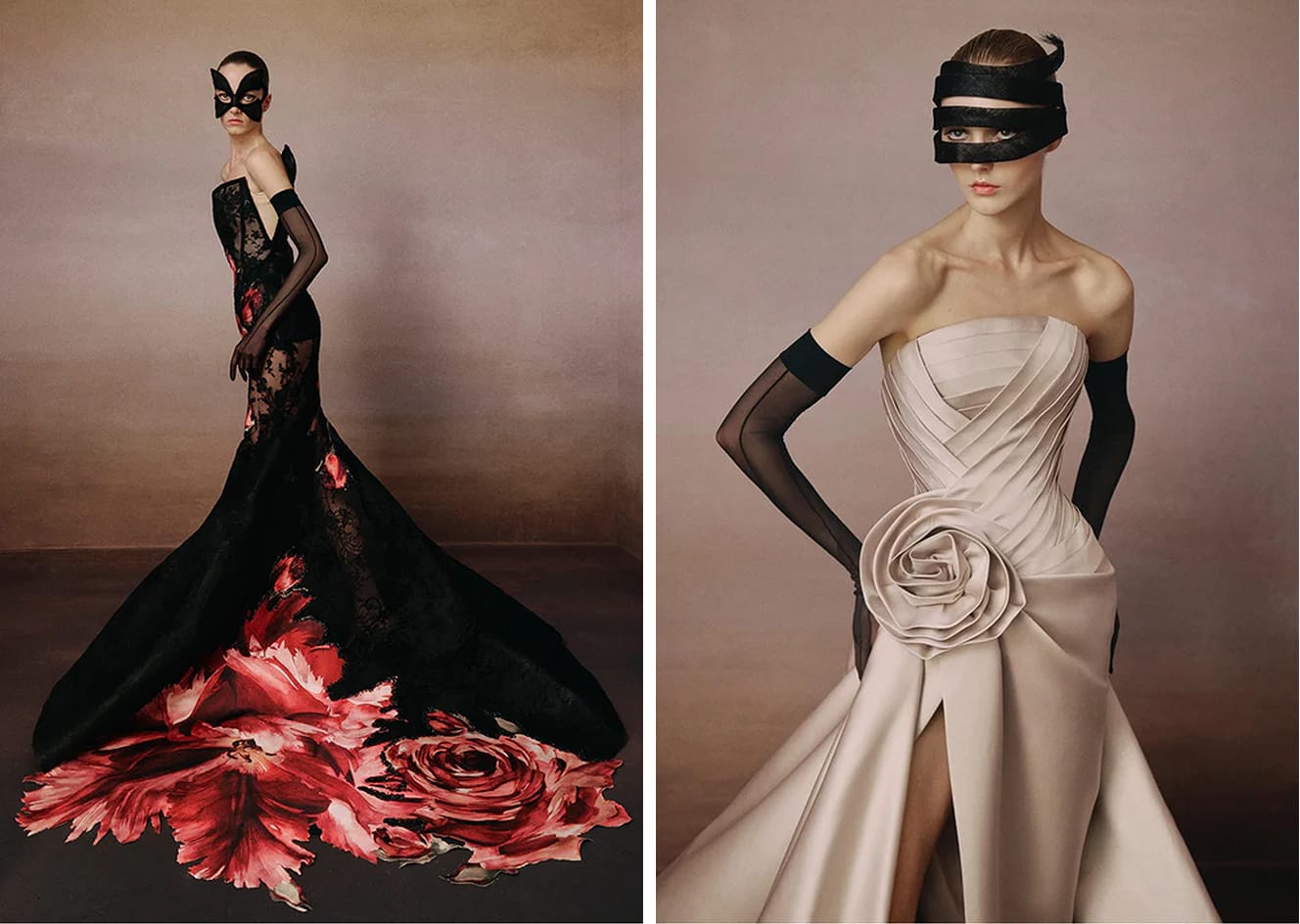
For Autumn/Winter 2026–27, Saab turns towards fantasy with “The Ball of Untamed Dreams”, a couture collection conceived as a world of theatrical metamorphosis. Sculptural silhouettes, dramatic trains, dimensional florals and elaborate embroidery push the house’s romanticism into more surreal territory. One standout gown, for example, combines pearl-beige duchess satin, geometric pleating, a three-dimensional flower and a crystal-embroidered silk-tulle train.
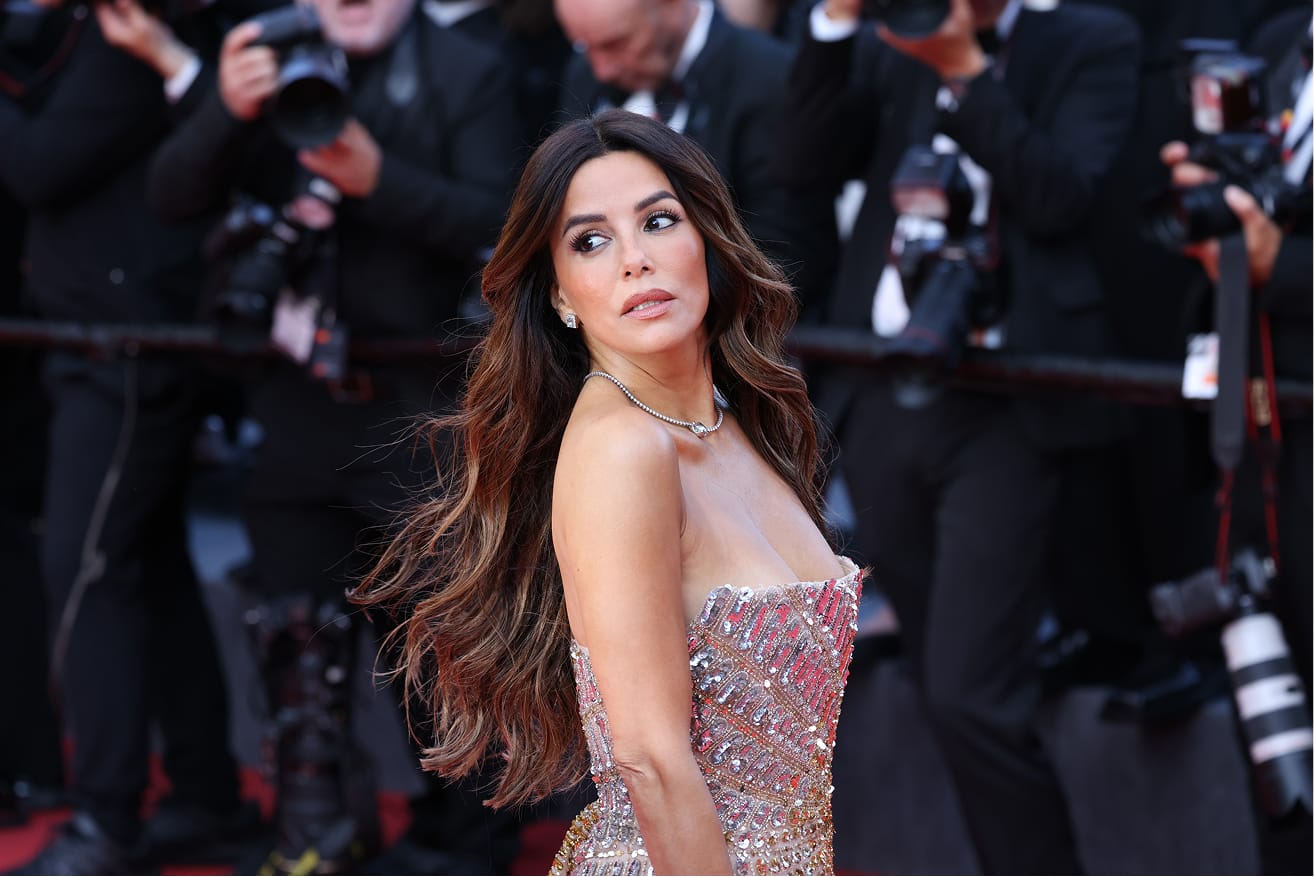
Unlike many contemporary fashion houses, ELIE SAAB is not defined by a single celebrity brand ambassador. Its influence instead comes from a long-standing relationship with the world’s most visible women. Halle Berry, Angelina Jolie, Beyoncé, Jennifer Lopez, Cate Blanchett, Sandra Bullock, Nicole Kidman and Princess Charlene of Monaco have all worn Saab. Berry’s burgundy gown at the 2002 Oscars remains particularly significant: she became the first Lebanese designer to dress an Oscar-winning actress, while the gown itself became part of red-carpet history.
That connection with the red carpet explains much of Saab’s enduring popularity. His designs offer something increasingly rare: ceremonial glamour with a strong sense of craftsmanship. In an era of rapid fashion cycles, ELIE SAAB has remained recognisable by refining rather than abandoning its aesthetic — creating clothes designed not merely to be seen, but to become part of a woman’s defining moments.