Five European Hotels Where Design Shapes the Winter Stay
From a reborn London department store to a 13-room Engadin inn, these five non-ranked European hotels use architecture, art and regional craft to shape distinctly different winter breaks.
This non-ranked selection compares Six Senses London, Rosewood Amsterdam, The Newman, Chesa Marchetta and Villa Florhof by the way their buildings and interiors shape a winter trip. The two London addresses pair a department-store conversion with a neighbourhood-focused hotel; Amsterdam offers a former courthouse, while Zürich and the Engadin bring a townhouse and a 13-room Alpine inn.
Four are current city stays. Chesa Marchetta is seasonally closed and reopens on 11 December 2026, so it belongs to later-winter planning rather than a November departure. Beyond timing, design also changes how the trip is used: Six Senses combines large-scale adaptive reuse with wellness, The Newman is a smaller Fitzrovia base, and Rosewood gives canal-side heritage more room. Villa Florhof concentrates Lalique crystal in a compact city house, while Chesa Marchetta brings together art and regional craft in the mountains. The practical choice is between full-service scale and residential intimacy, centrality and retreat, or an immediate weekend and a stay that must wait for the season.
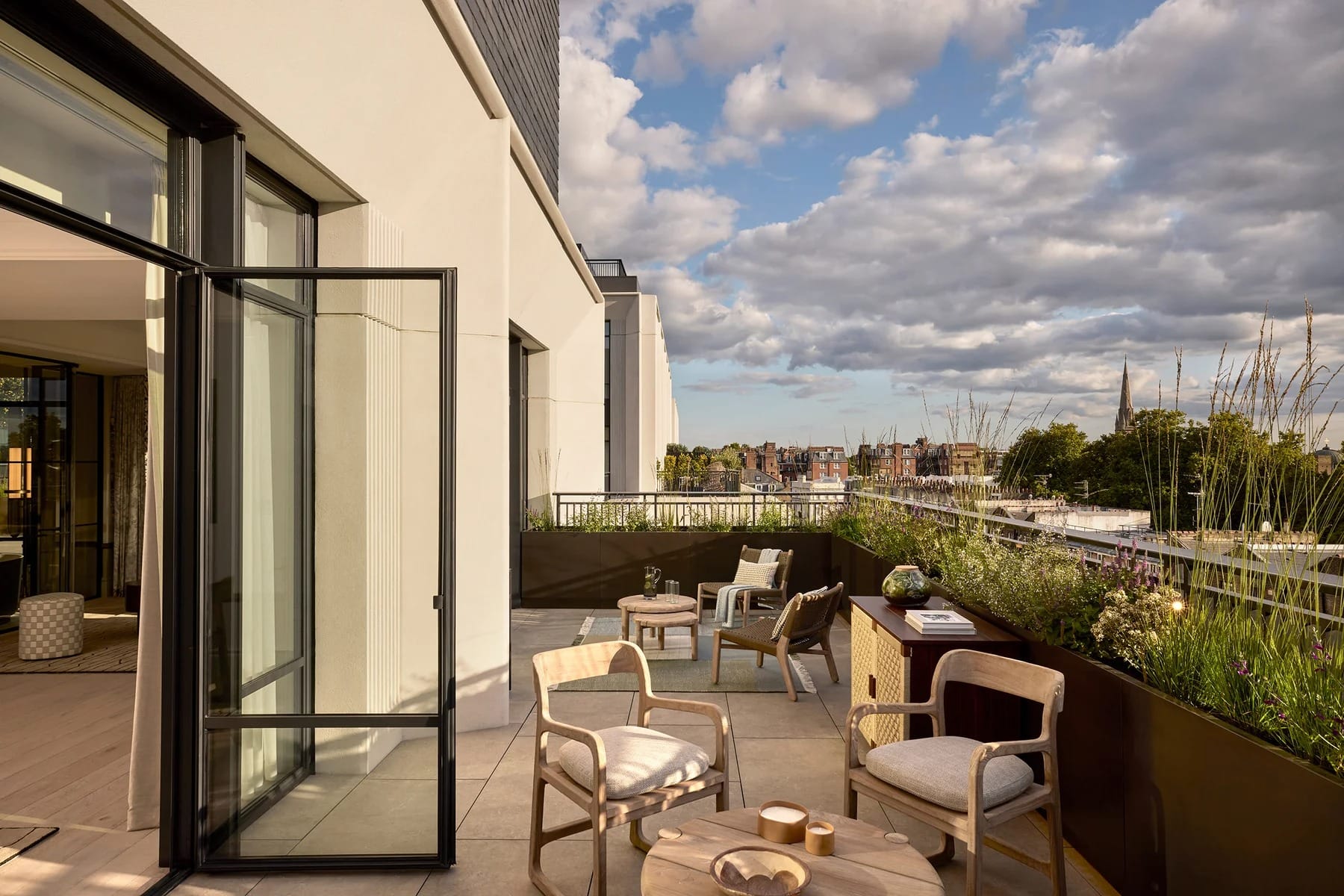
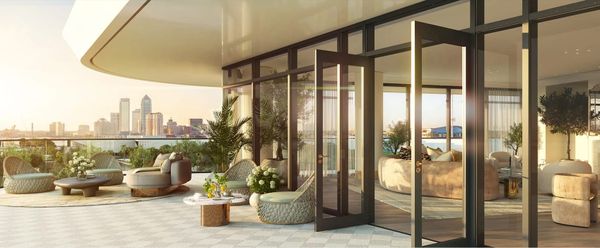
Six Senses London occupies The Whiteley in Bayswater, with 109 rooms and suites and 14 branded residences. The scale suits travellers who want a substantial city hotel, a spa and Hyde Park within the same short break. The building is the real point of difference: Wallpaper*’s account of the redevelopment describes Foster + Partners’ transformation of the former Whiteleys department store and interiors by AvroKO with EPR Architects. Post-Victorian, Art Deco and early modernist references appear in display cabinets, chevron timber floors, handmade zellige tiles and lighting informed by steamships and Parisian streets. For travellers, the combination creates a large-scale London base where adaptive reuse and wellness form part of the same weekend.
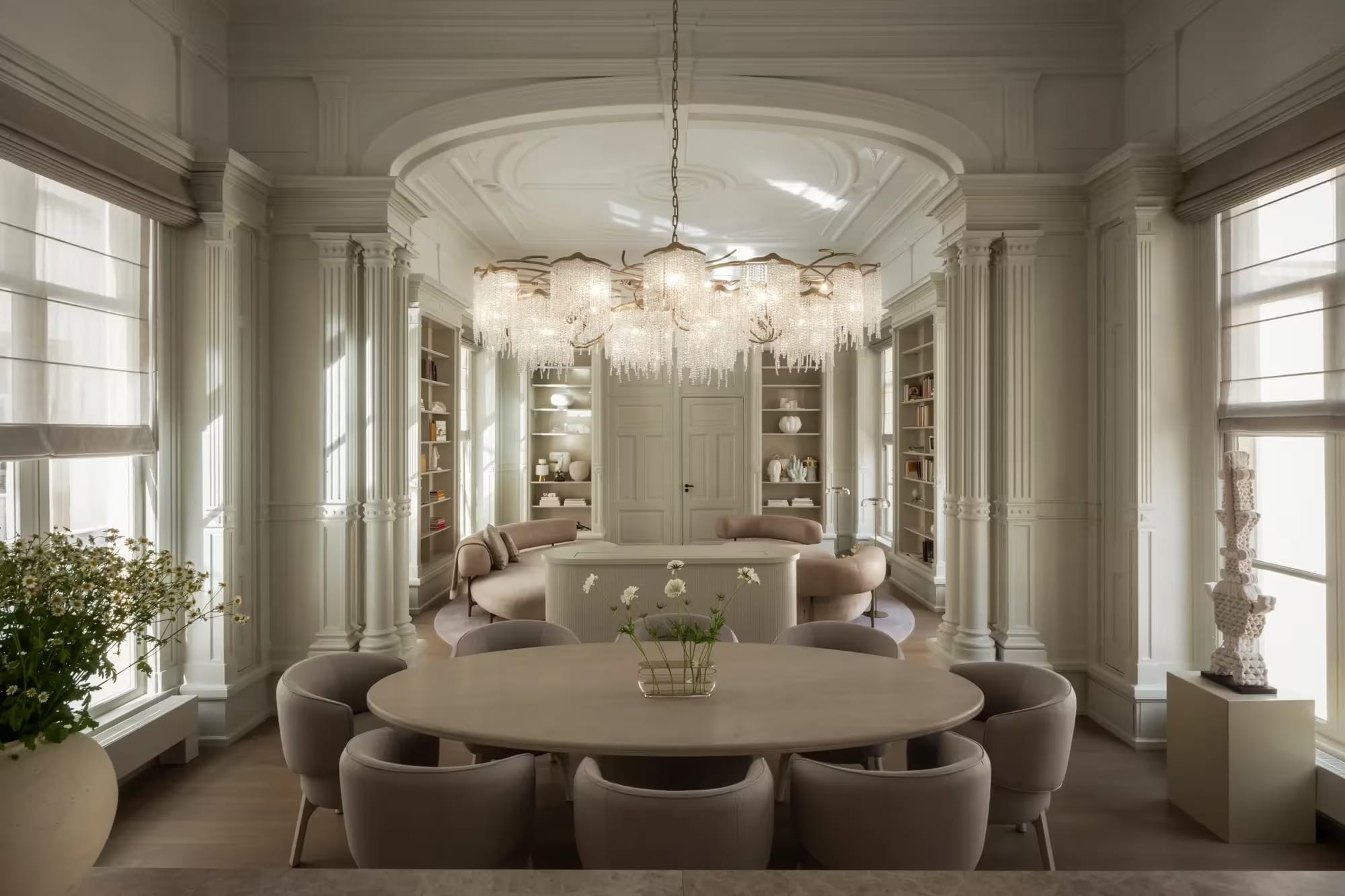
Rosewood Amsterdam sits on Prinsengracht in the city’s Canal District, inside the former Palace of Justice. Studio Piet Boon designed the accommodation, working with a building whose institutional past still shapes its proportions. Time Out Amsterdam’s restoration review traces the address from a 17th-century orphanage to the courthouse and notes that strict conservation rules preserved original walls and ceilings. Its 134 rooms include 41 suites and five residences, making this a much larger proposition than the Swiss townhouses in the list. Choose it for a culture-focused canal weekend where high ceilings, retained fabric and views across the water matter more than boutique scale. That scale lets a winter weekend stay focused on the canals and nearby culture without giving up the spatial drama of a major heritage conversion.
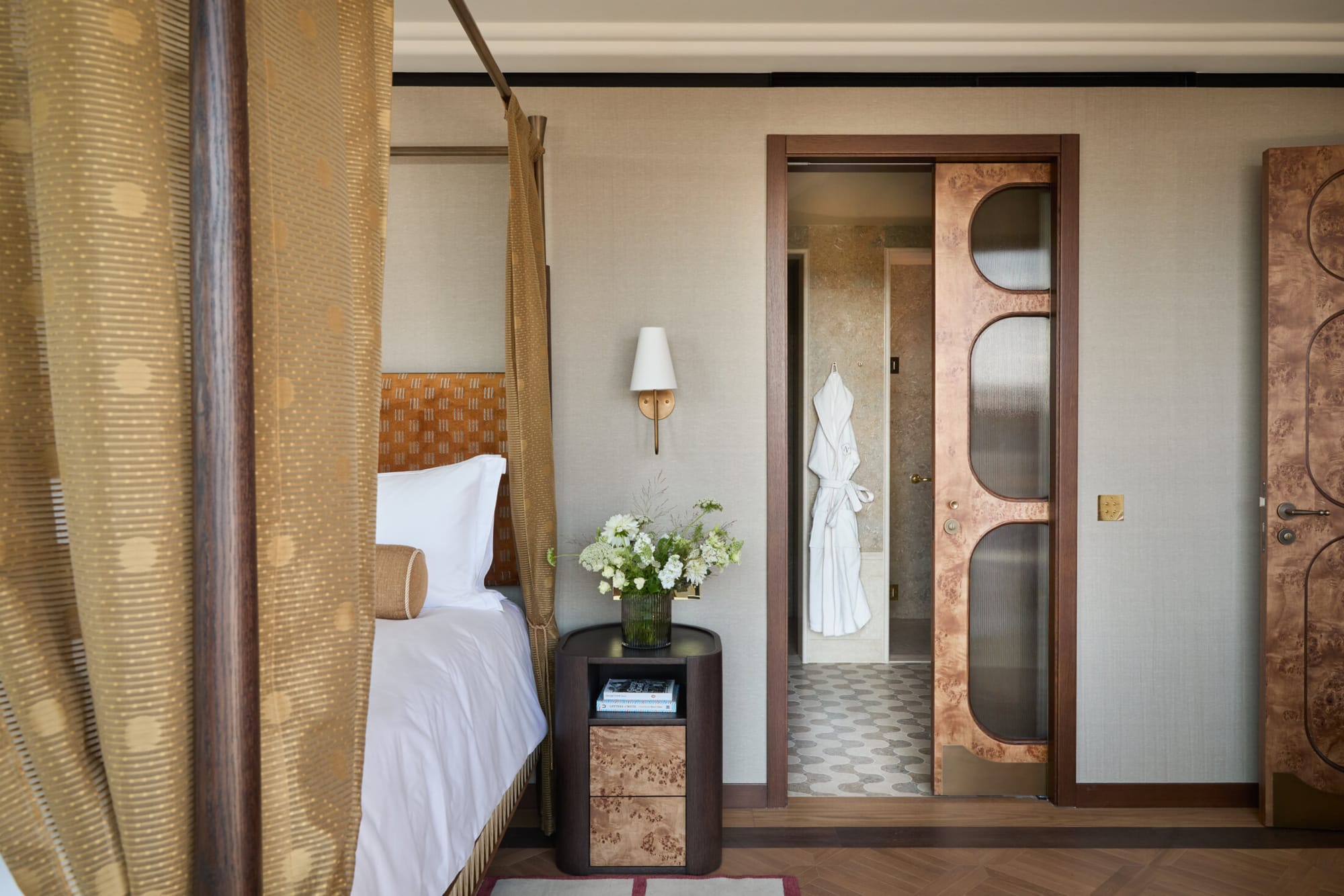
The Newman is the more intimate of the two London choices: 81 rooms in Fitzrovia, with its design anchored to the neighbourhood rather than a single landmark conversion. The Week’s report on the hotel credits Lind + Almond with interiors that draw on local writers, artists and Art Deco architecture. Marble basins refer to nearby balconies; bedposts take their shape from jewellery worn by writer and activist Nancy Cunard; commissioned portraits and photographs keep the references specific to the area. The result makes most sense for travellers who plan to spend time on foot around Fitzrovia and Bloomsbury and prefer a contemporary neighbourhood hotel to a destination spa. It is design as local orientation rather than spectacle.
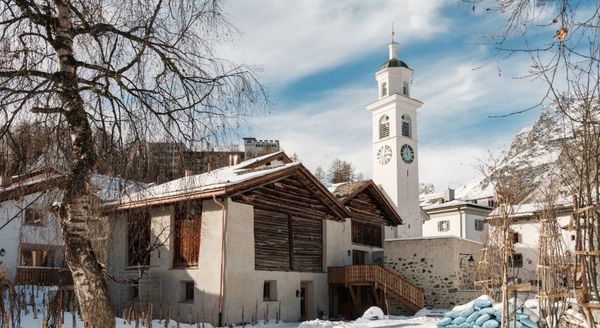
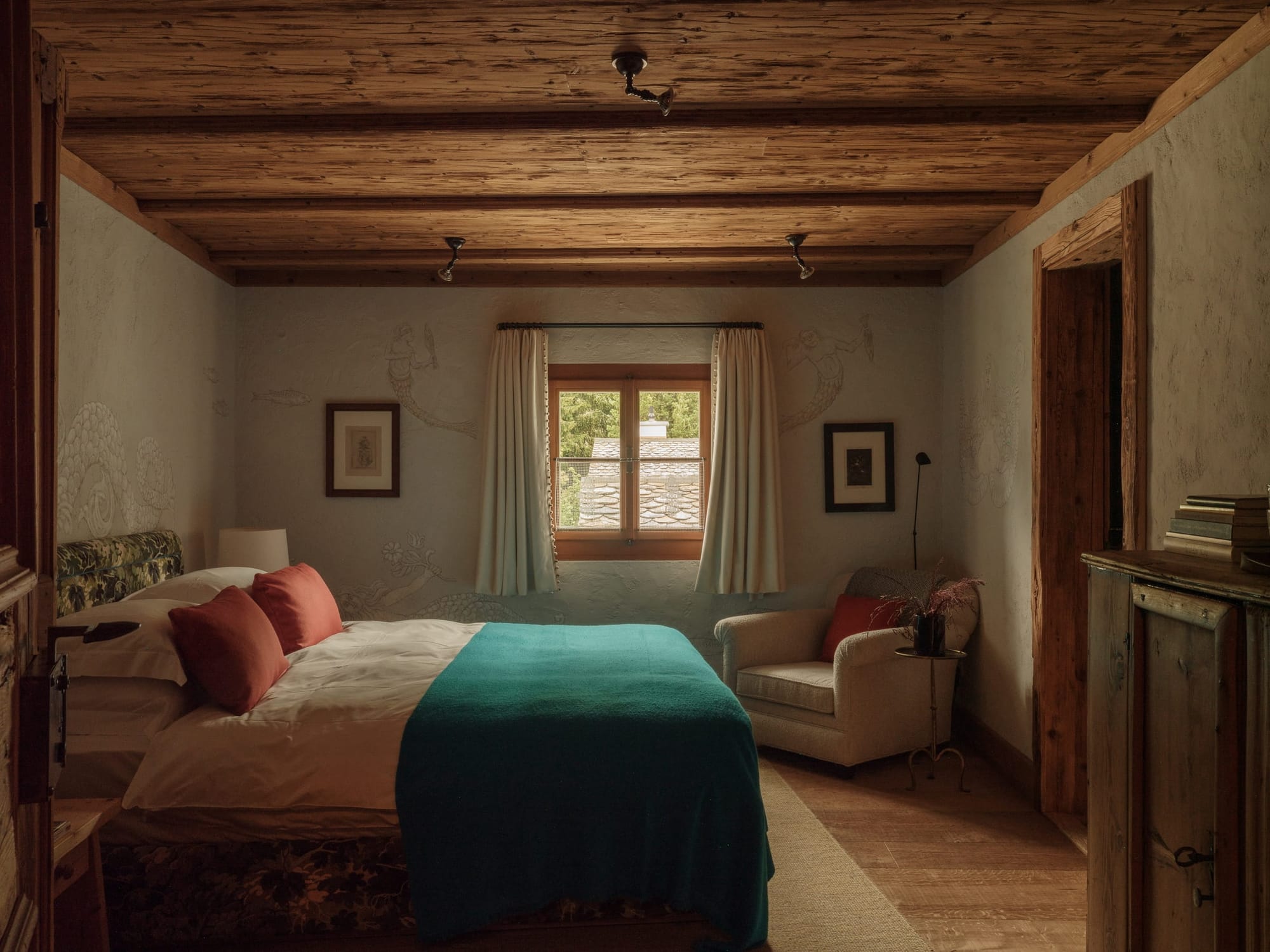
Chesa Marchetta is an advance winter choice, not an immediate stay. According to Chesa Marchetta’s current seasonal notice, the hotel is seasonally closed and will reopen on 11 December 2026. Its 13 bedrooms were designed by Luis Laplace with traditional Engadin furniture and work by local artists and artisans. Le Monde’s account of the restoration places the former mountain inn in the historic centre of Sils Maria and describes foundations dating to the 16th century. This is the smallest and most seasonal property here, suited to readers planning a December or later Alpine stay around art, regional craft and village scale. The closure date is decisive: it should not be treated as an alternative for a November departure.
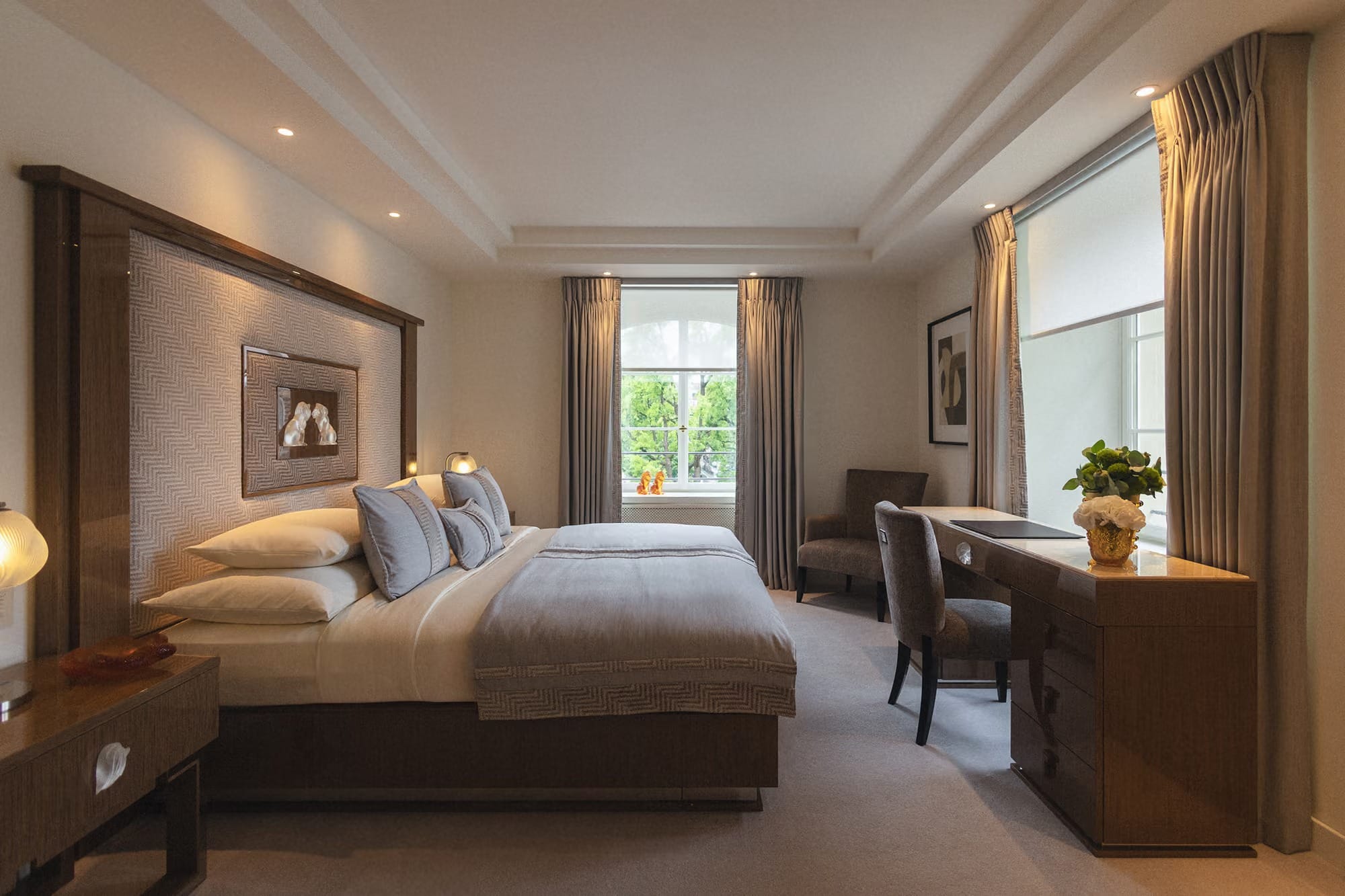
According to Villa Florhof’s current hotel and dining information, the year-round property has 13 rooms and suites, and its Signature Restaurant is scheduled to begin service on 11 November 2026 while the brasserie operates daily. The hotel occupies a Zürich townhouse documented in local sources since 1447. Lalique supplies the defining material language: crystal, decorative surfaces and named room designs turn the small hotel into a concentrated study of the house’s current patron rather than a conventional grand hotel. GaultMillau Switzerland’s first review confirms the extent of the Lalique presence and the historic-building context, although its older room count has been superseded by the hotel’s current figure of 13. Choose Florhof when a compact 13-room base suits a short Zürich stay, leaving the rest of the trip for the city’s galleries and old town.
Which hotel suits which winter trip?
For a full-service London base with architecture and wellness on equal terms, Six Senses has the broadest programme; The Newman is the sharper choice for neighbourhood scale. Rosewood Amsterdam suits travellers who want a substantial heritage building beside the canals. Villa Florhof offers the most compact urban proposition and the clearest single-brand design language. Chesa Marchetta is different again: a 13-room Alpine inn that belongs to trips from 11 December onwards, when its art, craft and Engadin setting can be experienced in season.