Cannes Film Festival 2026 Winners: Palme d’Or, Jury Awards and Key Moments
– 4 min read

The 79th edition of the Cannes Film Festival concluded with a prize selection that leaned toward controlled storytelling, psychological tension and formally restrained cinema rather than overt spectacle.
This year’s competition unfolded against the familiar backdrop of the Croisette — premieres, standing ovations, late-night acquisitions and couture-heavy red carpets — yet the final awards suggested a jury more interested in emotional precision than festival momentum.
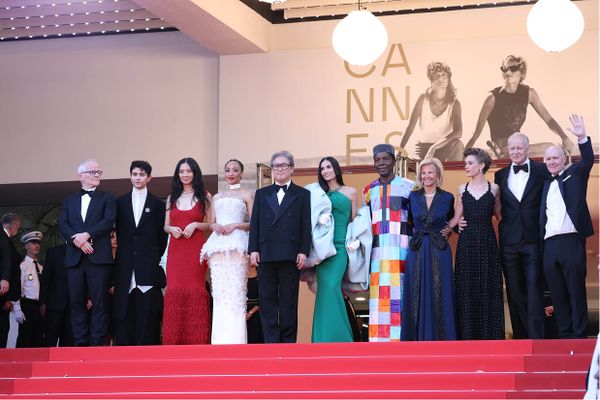
Led by jury president Park Chan-wook, the 2026 jury awarded the Palme d’Or to Romanian director Cristian Mungiu for Fjord, making him one of the few filmmakers in Cannes history to receive the festival’s highest prize twice.
The result confirmed what had gradually emerged over the course of the festival: Cannes 2026 was less dominated by celebrity headlines than by conversations around authorship, political positioning and the continued strength of European auteur cinema.
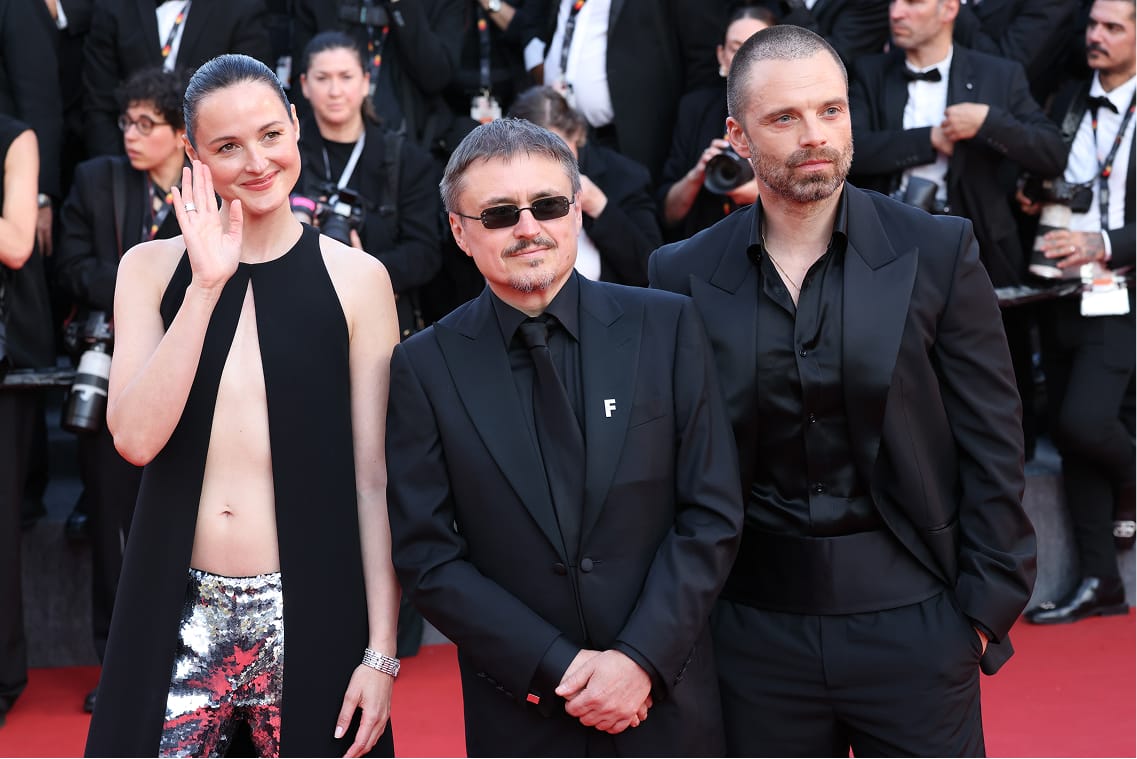
The Palme d’Or went to Fjord, directed by Cristian Mungiu.
The film — described throughout the festival as an emotionally severe family drama — became one of the competition’s strongest critical performers during its premiere week. Mungiu, previously awarded the Palme d’Or in 2007 for 4 Months, 3 Weeks and 2 Days, now joins a limited group of directors to receive the prize twice.
In Cannes terms, the decision signalled continuity rather than disruption. The jury largely rewarded films grounded in moral ambiguity, psychological tension and interpersonal fracture rather than overtly crowd-pleasing narratives.
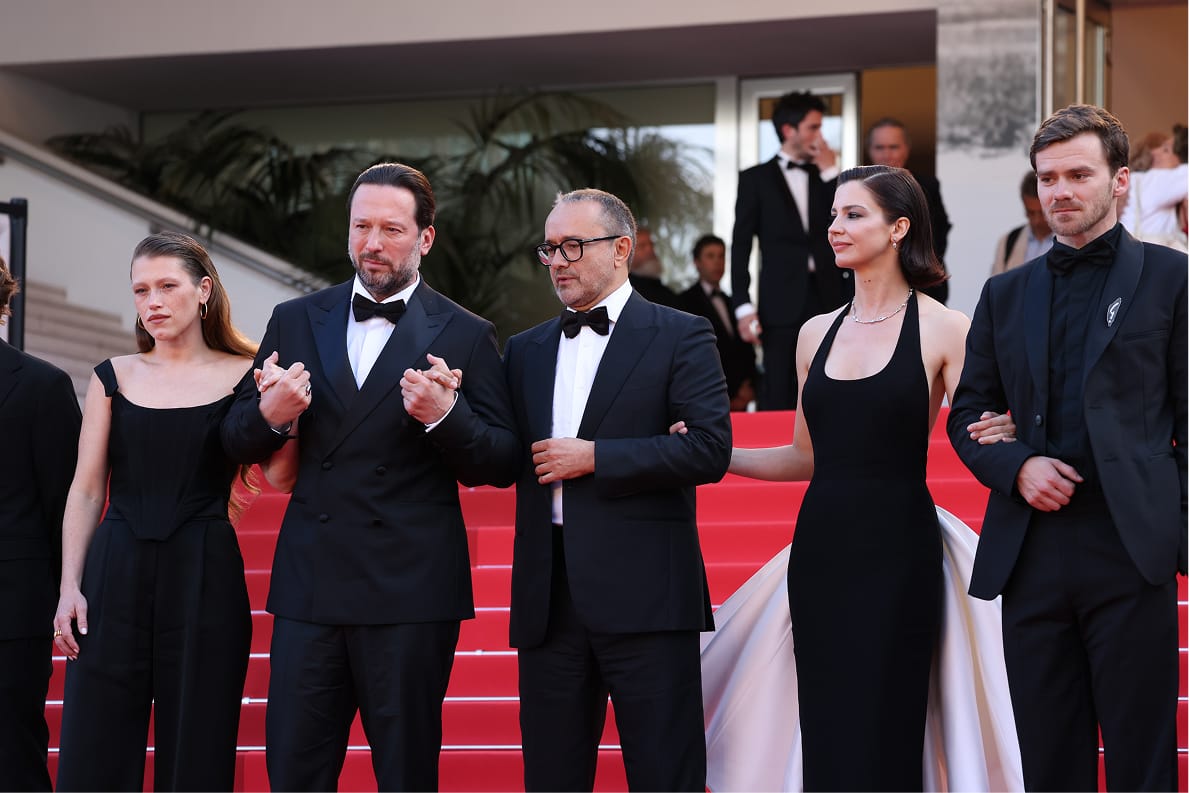
The Grand Prix — traditionally Cannes’ second-highest award — went to Andrey Zvyagintsev for Minotaur.
Valeska Grisebach received the Jury Prize for The Dreamed Adventure, while the Best Director award was unusually split between:
The acting categories also resulted in shared awards.
Best Actress:
Best Actor:
The frequency of tied awards reflected a jury favouring collective recognition over singular dominance.
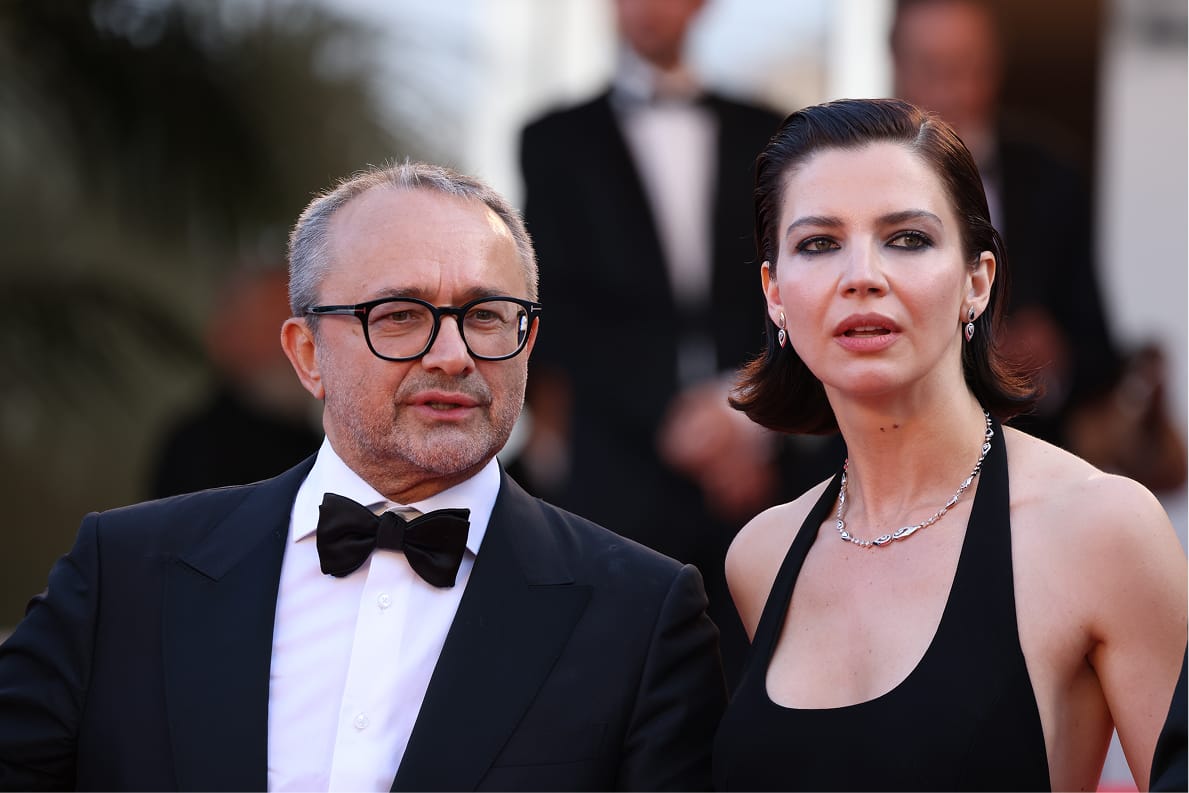
While Cannes increasingly balances Hollywood premieres with global arthouse cinema, the 2026 edition strongly returned to European auteur filmmaking.
Several of the most discussed competition titles — Fjord, Minotaur, Fatherland and The Dreamed Adventure — shared formal similarities:
This year’s awards therefore felt unusually coherent in tone.
Unlike editions driven by one breakout cultural phenomenon, Cannes 2026 rewarded consistency and formal control across multiple films.
Cannes rarely functions in isolation from political discourse, and the 2026 edition was no exception.
One of the most discussed press conference moments came from Javier Bardem, who addressed concerns surrounding public criticism of the war in Gaza and potential industry backlash.
Political statements also appeared through symbolic gestures on the Croisette, including:
At the Kering Women in Motion dinner, Julianne Moore delivered one of the festival’s most widely circulated speeches, arguing for greater visibility of female narratives within cinema.
Still, compared to previous politically charged editions of Cannes, the 2026 festival remained more focused on cinema itself than external controversy.
The Cannes red carpet continues to function as its own media ecosystem, often independent from the films being presented.
This year, several recurring themes emerged:
Kristen Stewart again drew attention for ignoring the festival’s footwear conventions, pairing Converse sneakers with Chanel couture during premieres.
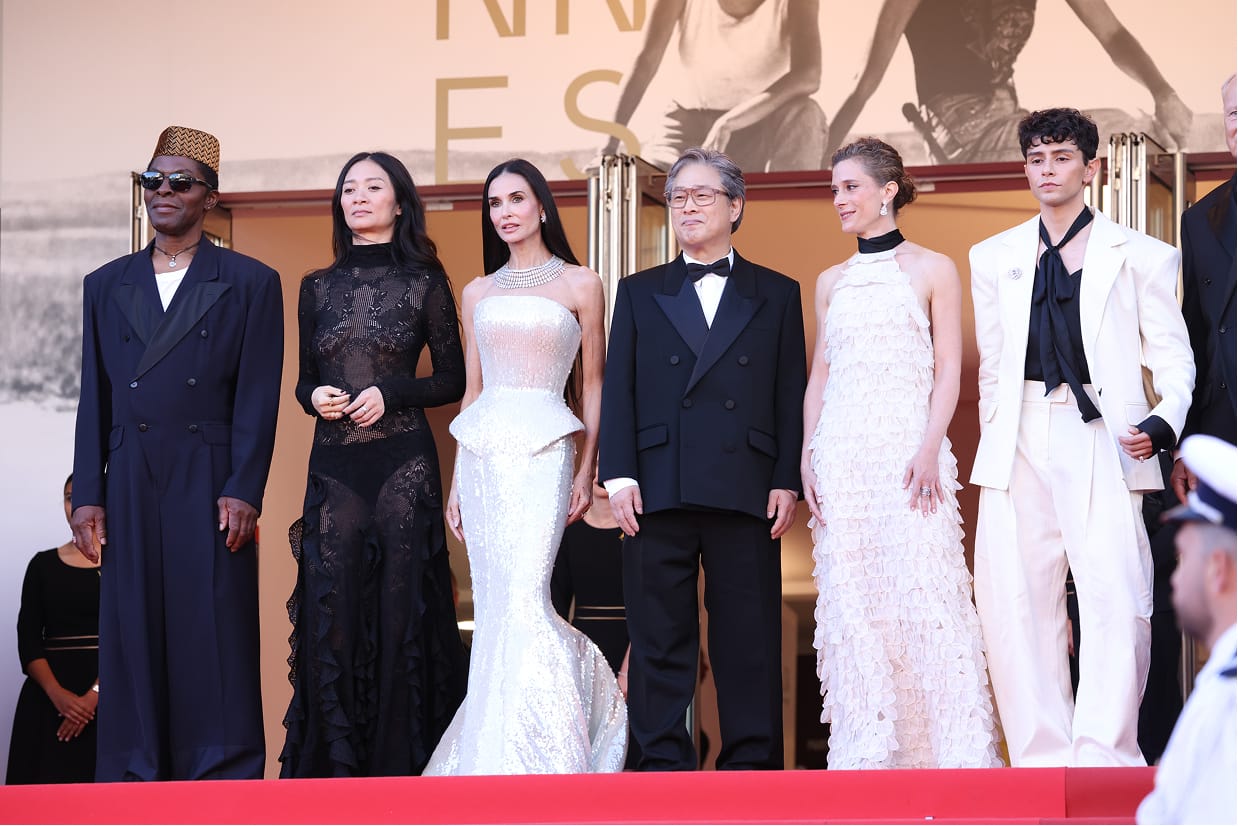
Meanwhile, jury appearances from:
brought a more theatrical couture direction to the festival circuit.
The Croisette also continued its intergenerational fashion dynamic, with appearances from:
Outside the awards race, one of the strongest industry narratives belonged to Club Kid, the directorial debut of Jordan Firstman.
The film became one of the few broadly unifying discoveries of the festival and ultimately secured a reported $17 million acquisition deal from A24 after a competitive bidding process.
In a year described by many critics as relatively divisive, Club Kid represented one of Cannes 2026’s clearest commercial crossover moments.
Hollywood stars remained visible on the Croisette, though the festival overall felt less dependent on studio premieres than some recent editions.
Among the widely discussed moments:
These moments generated conversation without overtaking the competition itself.
The defining characteristic of Cannes 2026 may have been restraint.
Across the main competition, the jury repeatedly selected films focused on:
Even stylistically ambitious titles were rewarded for precision rather than scale.
The result was a Cannes edition that felt less oriented toward immediate viral momentum and more toward long-term critical durability — a distinction that may become increasingly relevant as festivals compete with algorithm-driven attention cycles.