Where to Charter a Yacht in the Mediterranean in 2026: Eight Routes Worth Planning
– 10 min read

The Mediterranean yacht charter map is changing. Saint-Tropez, Ibiza, Mykonos and Porto Cervo remain important summer ports, but a contemporary itinerary rarely stops at a single headline destination. The more interesting question is what lies beyond it: the islands reached before lunch, the smaller ports suited to an overnight berth, and the restaurants and hotels that make going ashore worthwhile.
For the Mediterranean yacht charter season 2026, the strongest routes extend from the French Riviera and Corsica to Sardinia, the Balearics, the Cyclades, Croatia, Montenegro and Turkey. Some work for a long weekend; others require a week or more. What they share is a coastline that makes more sense from the water.
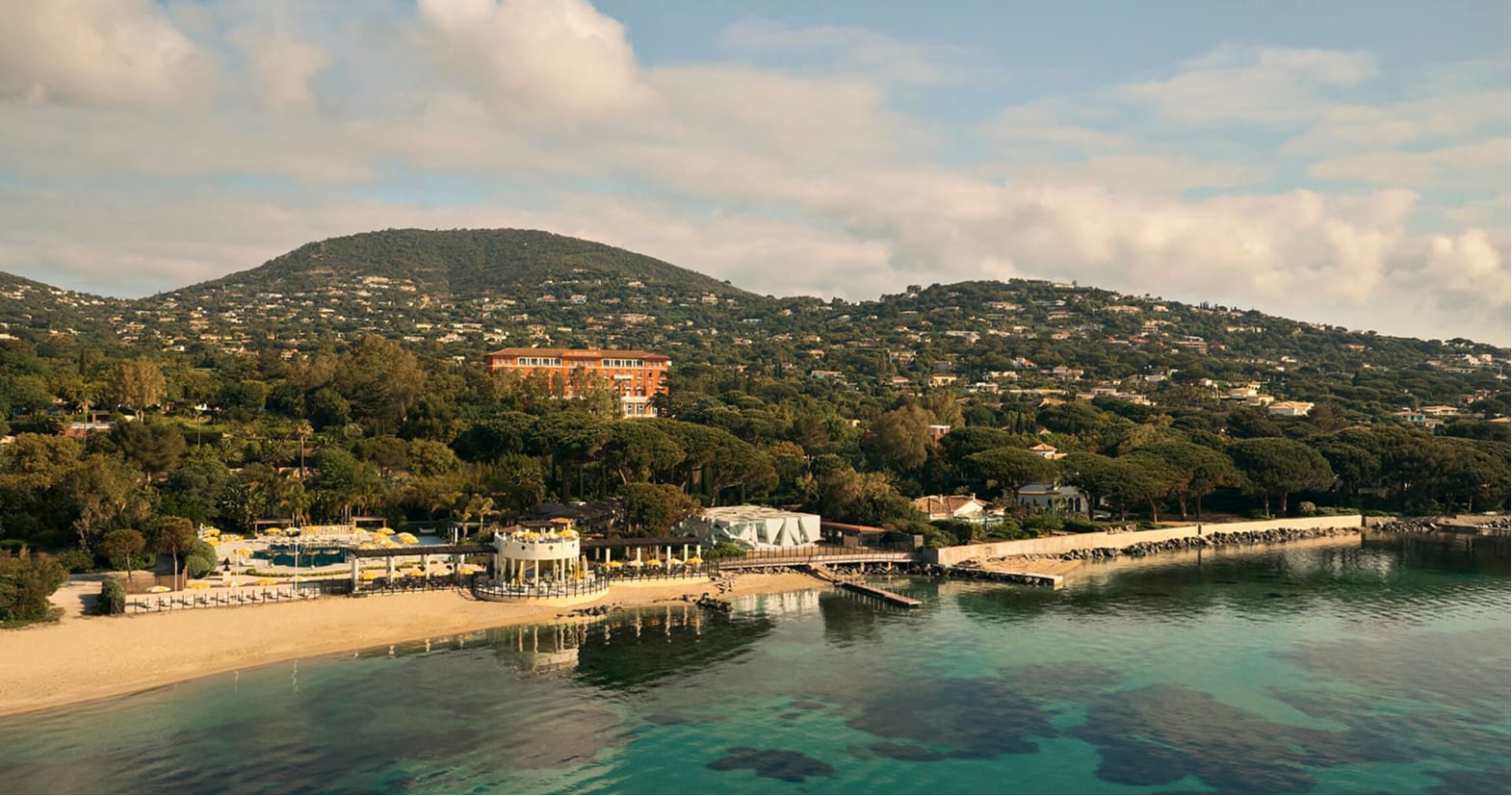
Best for: beach clubs, restaurants and short coastal cruising
Route: Saint-Tropez → Pampelonne → Cap Taillat → Porquerolles
Saint-Tropez remains one of the Mediterranean’s principal yachting destinations, but the port is only the beginning of the route.
The Vieux Port places the yacht directly below the old town, with Place des Lices, La Ponche and the restaurants around the harbour within walking distance. Larger yachts also use Port Grimaud, Marines de Cogolin and other marinas around the Gulf of Saint-Tropez when berths in town are unavailable.
The principal daytime destination is Pampelonne Beach, technically in Ramatuelle rather than Saint-Tropez. The beach stretches for several kilometres, and arriving by tender avoids much of the summer road traffic.
Le Club 55 remains the historical reference for lunch. La Réserve à la Plage provides a more measured restaurant-and-beach format, while Casa Amor, Loulou Ramatuelle, Nikki Beach, Bagatelle, Shellona, Verde Beach and Gigi Ramatuelle cover different versions of the music-led Pampelonne afternoon.
The 2026 season has also brought changes beyond the beach. COMO Le Beauvallon, across the gulf, opened in April as COMO Hotels and Resorts’ first French property. The restored Belle Époque estate has its own pontoon and boat service connecting it with Saint-Tropez. Yannick Alléno oversees its culinary programme, including Beauvallon Sur Mer.
In town, Hôtel Byblos, Cheval Blanc St-Tropez, Airelles Pan Deï Palais and AREV remain useful bases, while Château de La Messardière operates as a larger resort between the village and Pampelonne.
For dinner, La Vague d’Or at Cheval Blanc remains the gastronomic reference, with Arnaud Donckele holding three Michelin stars. The 2026 restaurant map also includes Monsieur Dior by Mauro Colagreco and the returning Louis Vuitton restaurant at White 1921.
But a charter should not spend the entire week in the gulf.
South of Pampelonne, Cap Taillat changes the landscape quickly. Continue west toward the Îles d’Hyères and Porquerolles for clear-water anchorages and a considerably less urban coastline.
A well-paced charter might therefore use Saint-Tropez for two nights rather than seven: port and dinner on arrival, Pampelonne the following day, then Cap Taillat and Porquerolles.
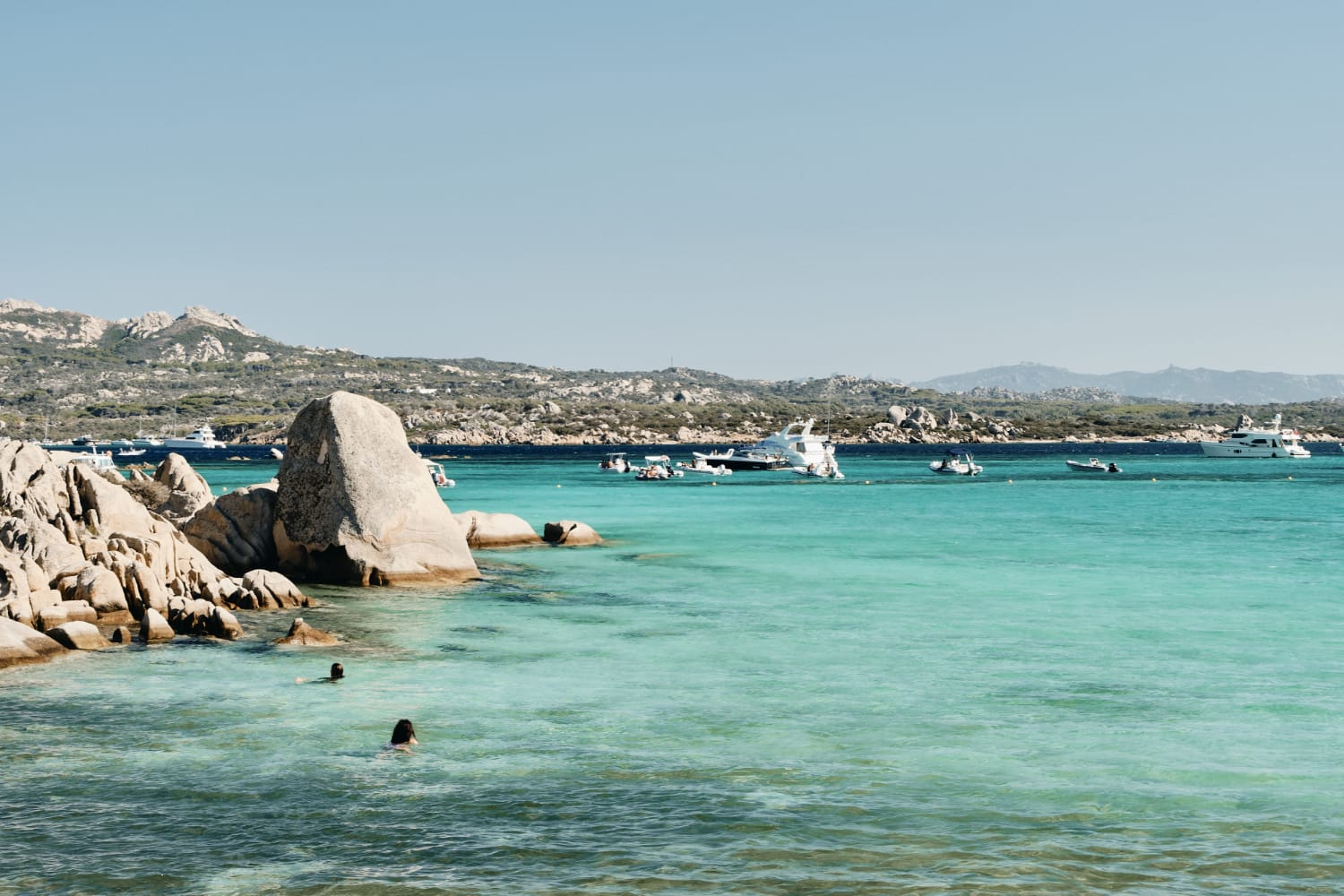
Best for: anchorages, dramatic coastline and longer cruising
Route: Bonifacio → Îles Lavezzi → Rondinara → Porto-Vecchio
Corsica was included in the original guide primarily for its restaurants and scenery. For a yacht charter, its geography deserves greater emphasis.
The island has more than 1,000 kilometres of coastline, ranging from granite cliffs and protected coves in the south to the Gulf of Porto and Calanques de Piana on the western coast.
Bonifacio is the natural starting point for a southern Corsica itinerary. The harbour cuts deep beneath limestone cliffs, with the fortified old town positioned above it. Approaching from sea is part of the reason to come.
From Bonifacio, the Îles Lavezzi lie between Corsica and Sardinia.Their granite formations and shallow turquoise water make them a natural daytime anchorage, although protected areas and anchoring regulations require careful planning with the captain.
Continue north towards Rondinara, Santa Giulia and Palombaggia before reaching Porto-Vecchio.
For a longer charter, the western coast provides an entirely different route: Ajaccio, the Îles Sanguinaires, Calanques de Piana, Girolata and Calvi.
Corsica is particularly effective when combined with northern Sardinia. The Strait of Bonifacio separating the two islands is narrow enough to turn two countries into one coherent charter itinerary.
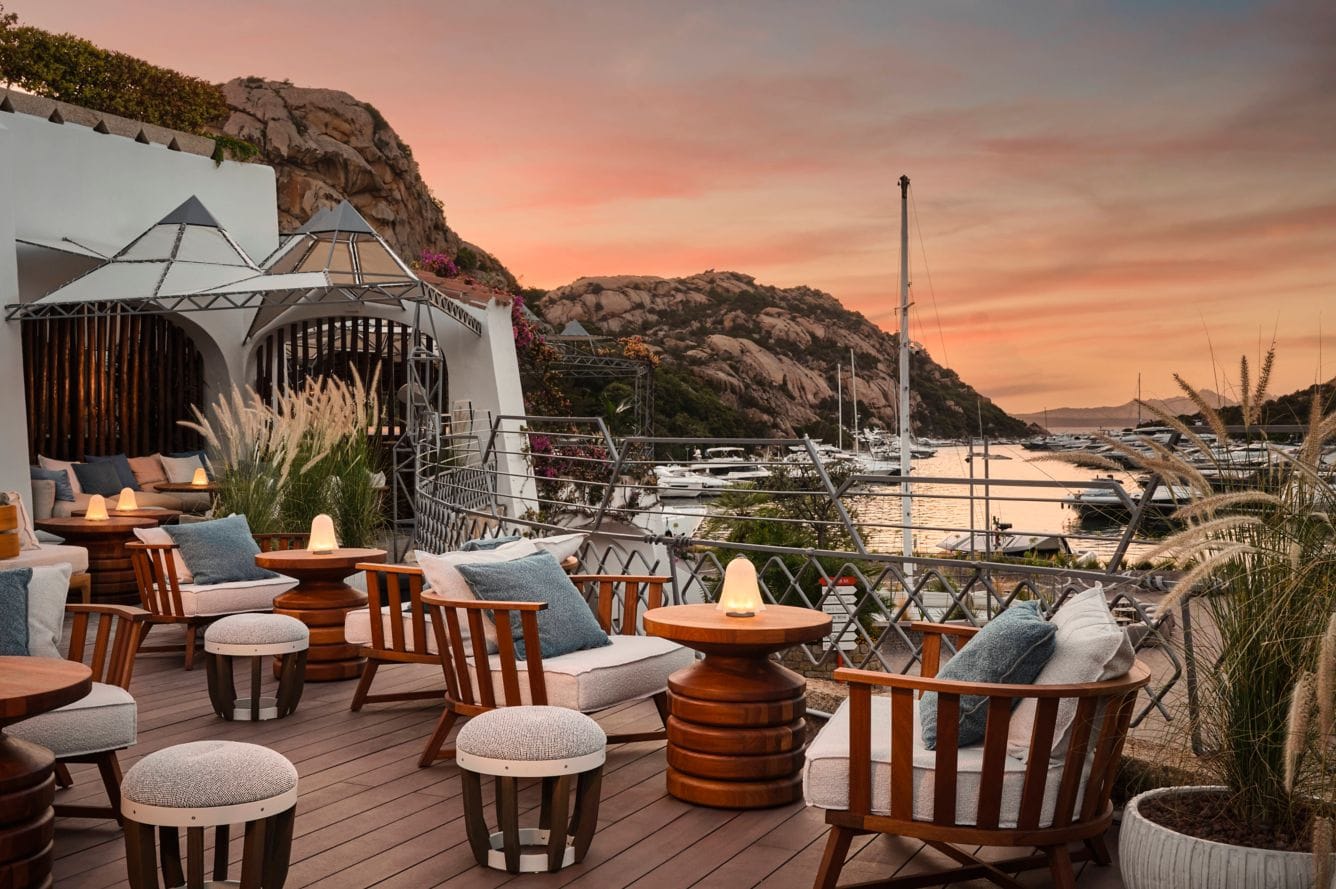
Best for: superyacht infrastructure, island hopping and restaurants accessible by tender
Route: Porto Cervo → Cala di Volpe → La Maddalena → Caprera → Bonifacio
Porto Cervo remains the centre of the Costa Smeralda yachting season, but the strongest reason to charter here lies outside the marina.
The coastline between Porto Cervo and the La Maddalena Archipelago is compact enough to allow several anchorages in a single day without making the itinerary feel rushed.
Begin around Porto Cervo and Cala di Volpe before moving north through Caprera and the islands of the Maddalena archipelago. The water and granite landscape provide a visual continuity with southern Corsica, which is why combining the two regions works so well.
The onshore landscape is also changing.
For 2026, Langosteria Porto Cervo has opened in the former Il Pescatore waterfront location in Porto Vecchio. Its own pier and tender service make it particularly relevant to yacht guests.
Other current additions include Paper Moon Porto Cervo and African Queen at Cala di Volpe, while Twiga Porto Cervo, Casa Fiori Chiari and Vesta have returned for the season.
Cala di Volpe and Pitrizza remain among the established hotel names, while W Sardinia – Poltu Quatu adds a new marina-based hotel to the northern Sardinian coastline in 2026.
A week-long charter can continue north across the Strait of Bonifacio into Corsica rather than returning to the same marina every evening.
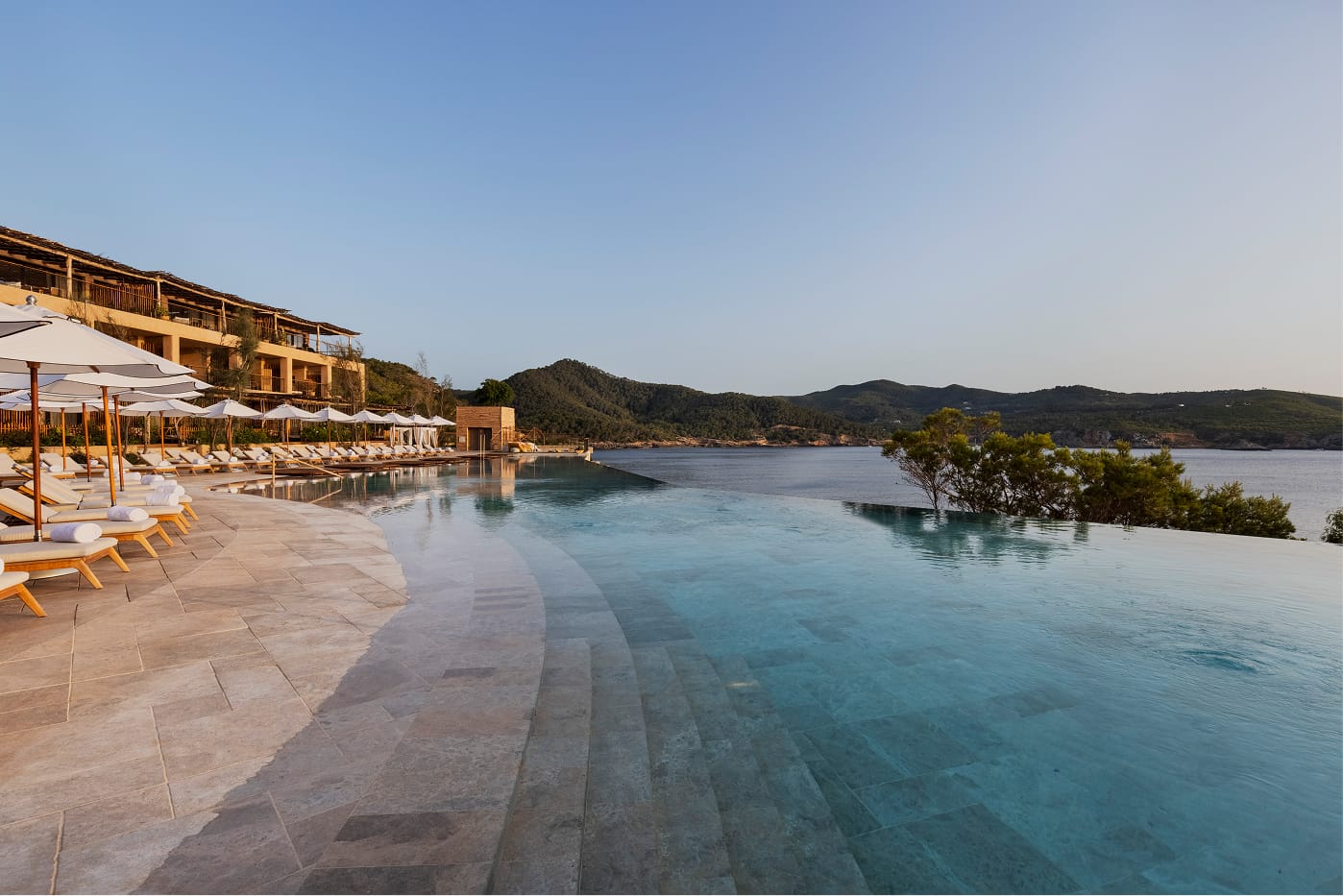
Best for: short crossings, beach restaurants and combining nightlife with quieter anchorages
Route: Ibiza → Espalmador → Ses Illetes → Formentera → Cala Saona
Ibiza remains one of Europe’s most active summer yachting centres, although describing it solely as a party island no longer reflects how the destination operates.
Marina Ibiza and Marina Botafoch provide direct access to Ibiza Town, while the northern and western sides of the island offer quieter anchorages away from the principal nightlife areas.
The essential yacht itinerary, however, is the crossing to Formentera.
Between Ibiza and Formentera lies Espalmador, followed by the pale sand and shallow water around Ses Illetes. This is one of the Mediterranean routes where having a yacht fundamentally changes the day: several beaches and anchorages can be connected without relying on the island’s road network.
Continue towards Formentera and Cala Saona for the afternoon, or remain overnight rather than treating the island only as an Ibiza lunch excursion.
On Ibiza itself, Six Senses Ibiza and Nobu Hotel Ibiza Bay remain relevant hotel addresses, while the opening of the Parador de Ibiza within Dalt Vila in 2026 adds a historically oriented alternative inside the fortified old town.
For a charter of five to seven days, Ibiza and Formentera provide enough geographical variation without requiring long passages. Mallorca can be added to a longer Balearic itinerary, but it should not be forced into a short charter simply to increase the number of destinations.
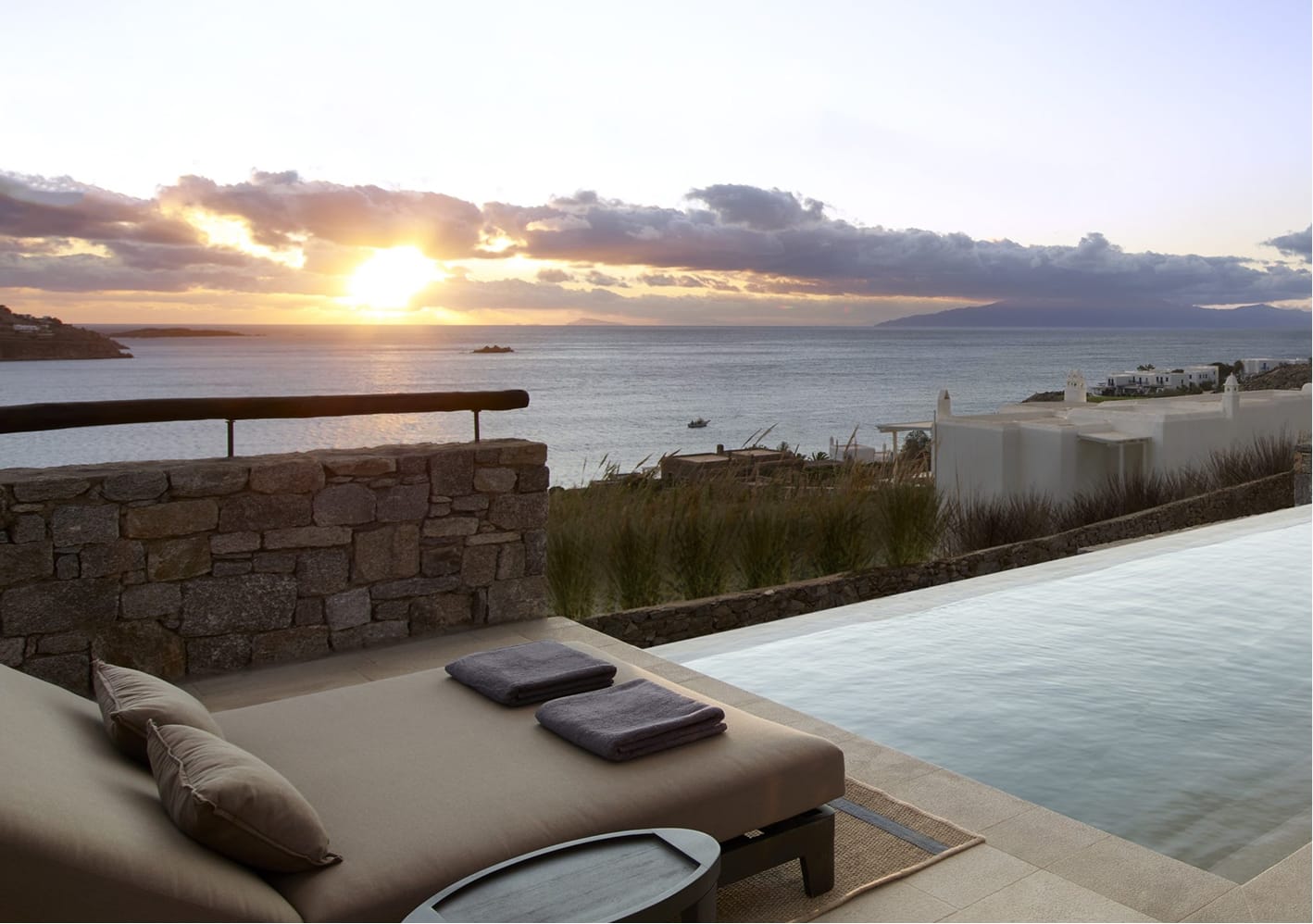
Best for: combining established restaurants with archaeological sites and island-to-island sailing
Route: Mykonos → Delos → Rhenia → Paros → Antiparos
Mykonos remains one of the most recognisable yachting destinations in the Aegean, but treating the island as a self-contained charter destination misses much of the point.The useful question is not simply where to dock in Mykonos, but where to sail next.
Spend the first part of the itinerary around Mykonos, with stops at Psarou, Ornos and the southern beaches. Nammos and Scorpios remain central to the island’s beach and restaurant circuit, joined by Principote, Alemagou and SantAnna.
In Mykonos Town, Noema and Interni remain relevant dinner addresses, while Lío Mykonos combines dinner with a cabaret format later in the evening.
The next morning, leave the restaurant circuit behind.
Delos, immediately southwest of Mykonos, is one of Greece’s most important archaeological sites and has no permanent modern settlement. Nearby Rhenia provides the swimming and anchoring counterpart to Delos’s archaeological visit.
From there, continue south towards Paros and Antiparos.
For a longer charter, the Cyclades open further: Sifnos for food, Milos for its volcanic coastline and Kimolos for a smaller-scale island stop.
The practical issue is wind. The Meltemi can be strong during the central summer months, so routing in the Cyclades needs to remain flexible. A captain who knows the Aegean is more valuable than an itinerary planned to the hour.
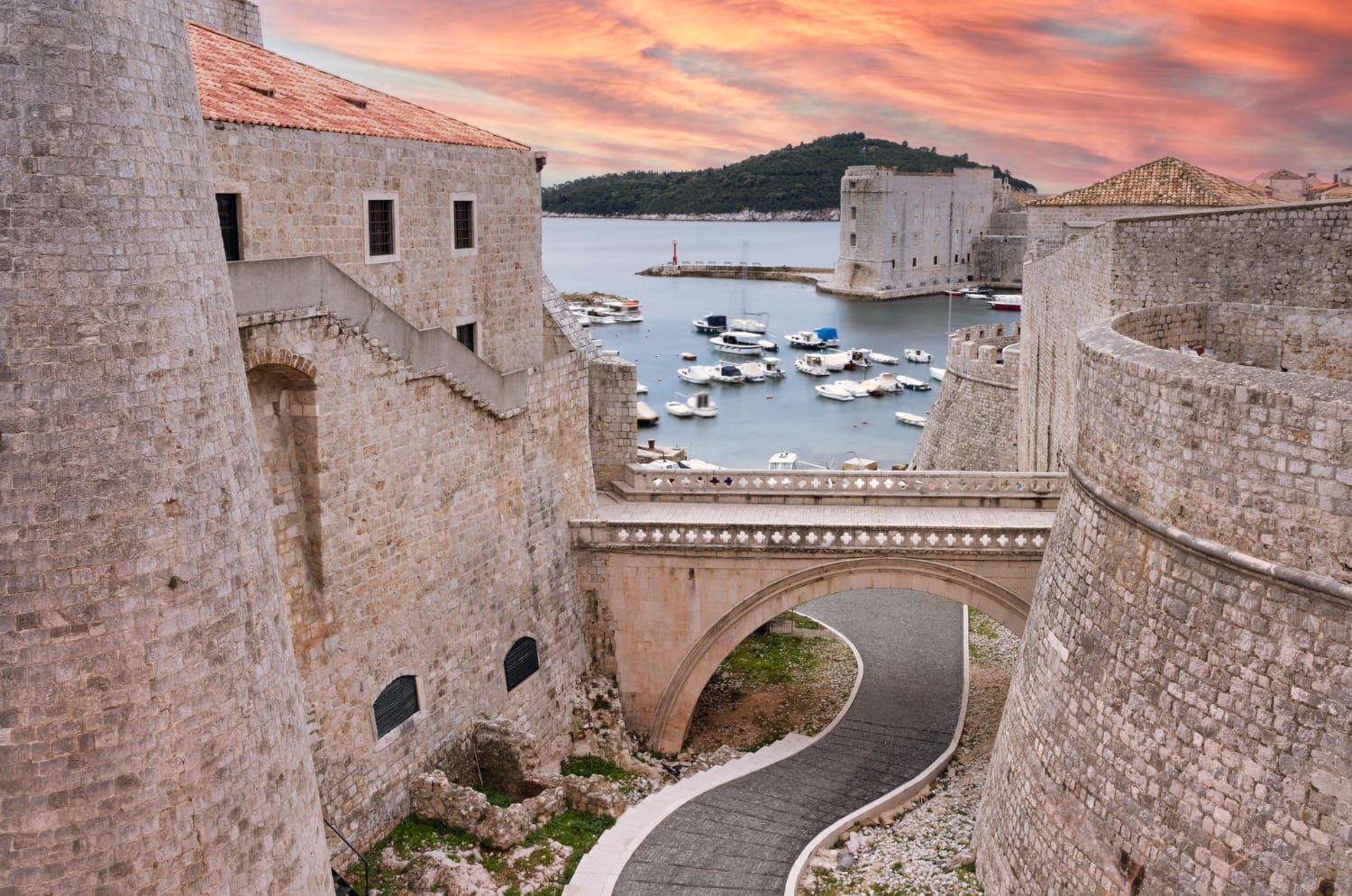
Best for: multi-stop itineraries, historic ports and short distances between islands
Route: Dubrovnik → Šipan → Korčula → Vis → Hvar → Brač
Croatia deserves a place in a contemporary Mediterranean yacht guide because it works particularly well as a journey rather than a single destination.
The Dalmatian coast combines walled towns, inhabited islands and protected anchorages at distances that allow the yacht to move regularly without spending entire days underway.
A southern itinerary can begin in Dubrovnik, then move through the Elaphiti Islands towards Korčula.
From Korčula, continue to Vis, whose relative distance from the mainland kept development more limited than on some neighbouring islands. Nearby coves and the small island of Biševo make it worth allocating more than a lunch stop.
Hvar provides the itinerary’s more social component: restaurants, bars, hotels and an active harbour. Instead of ending there, continue to Stari Grad or across to Brač.
The advantage of Croatia is choice. An itinerary can remain restaurant- and port-oriented, or shift almost entirely towards swimming and small anchorages.
It is also possible to combine southern Croatia with Montenegro, turning Dubrovnik into a starting point rather than the final destination.
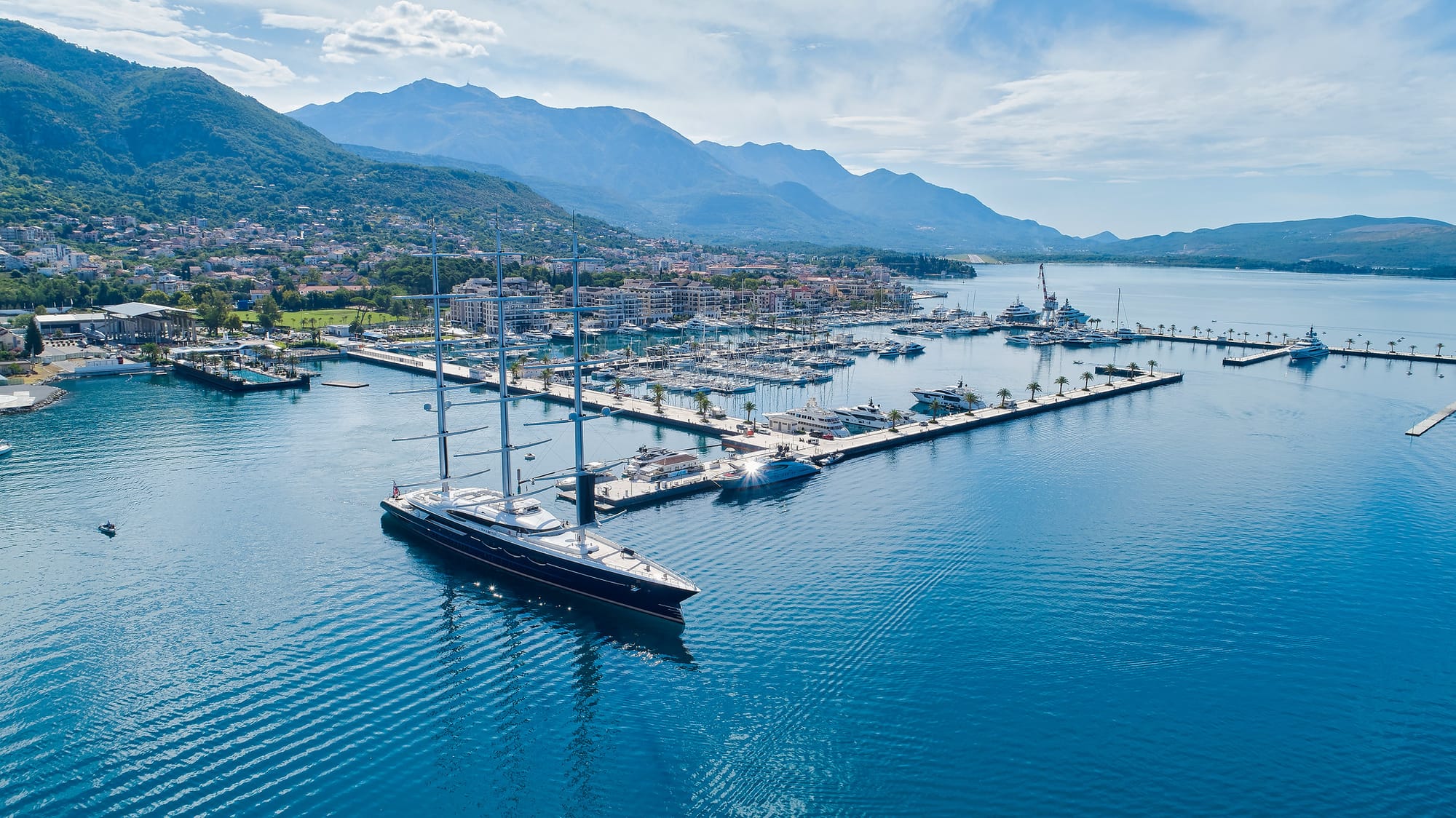
Best for: marinas, mountain scenery and a compact two-country charter with Croatia
Route: Dubrovnik → Cavtat → Herceg Novi → Porto Montenegro → Perast → Kotor
Montenegro provides one of the Mediterranean’s more unusual yacht approaches.
Entering the Bay of Kotor from the Adriatic, the coastline narrows as mountains rise directly behind the water. The setting is geographically different from the open-island landscapes of Greece or the Balearics.
Porto Montenegro in Tivat provides the principal superyacht infrastructure, with restaurants, hotels and technical services concentrated around the marina.
From Tivat, Perast and Kotor are short passages rather than full sailing days. Perast works well for a slower afternoon, while Kotor brings the yacht close to the fortified old town.
The region is particularly effective as part of a Dubrovnik-to-Montenegro itinerary. Rather than flying between two destinations, the border becomes part of the route.
For guests accustomed to the western Mediterranean circuit, Montenegro also provides a different relationship between yacht and landscape: the interest is less about beach clubs and more about arriving directly beneath historic towns and steep mountain terrain.
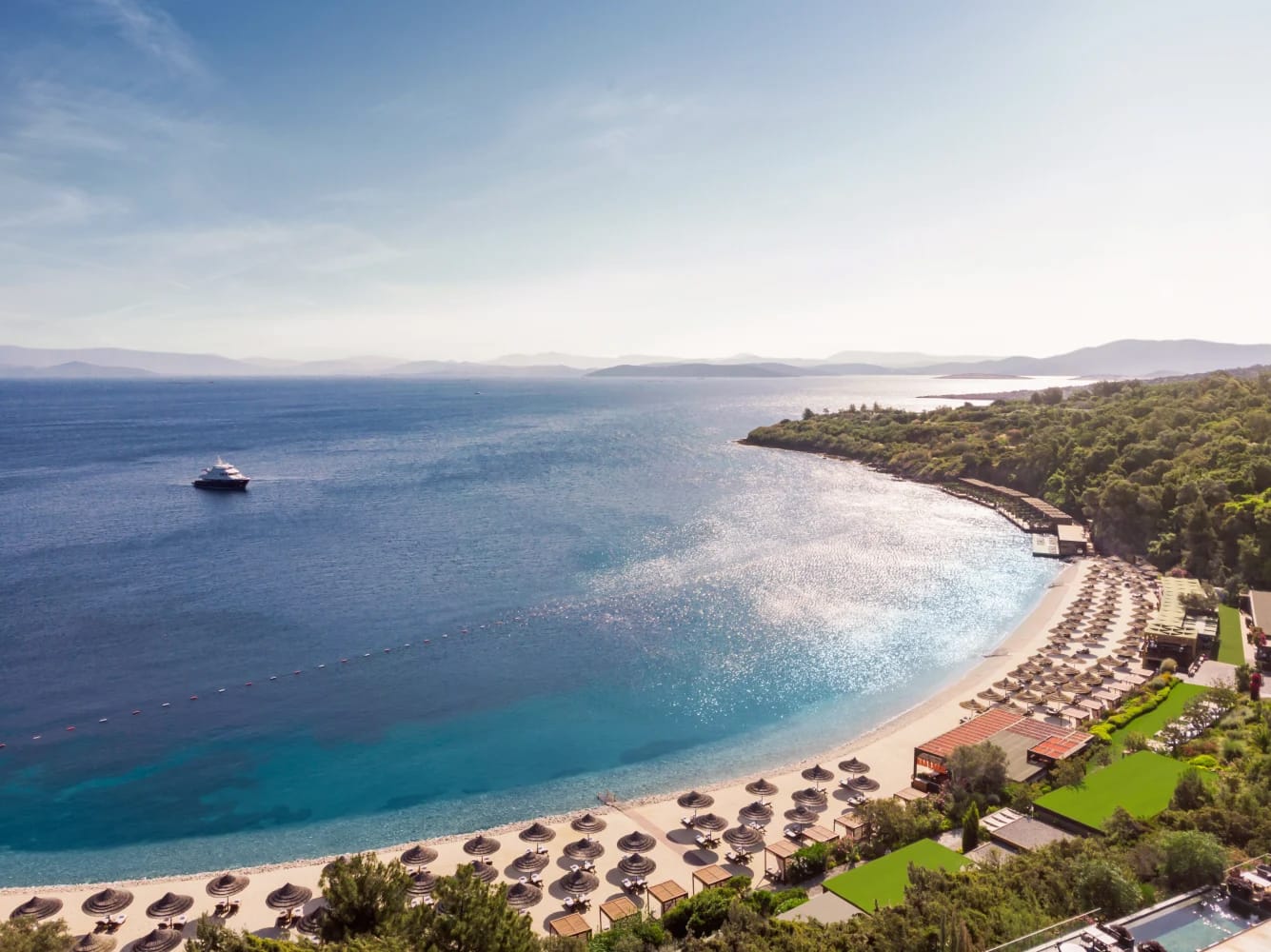
Best for: gulet culture, protected bays and longer itineraries
Route: Bodrum → Göltürkbükü → Yalıkavak → Gulf of Gökova
Bodrum appeared in the original article as a single destination. In 2026 it makes more sense to consider it as the gateway to a wider Turkish Riviera yacht charter.The peninsula combines modern marinas with a sailing culture that predates the current superyacht market. Traditional wooden gulets remain part of the local fleet alongside contemporary motor and sailing yachts.
Bodrum itself provides the historical starting point: Bodrum Castle, the remains associated with the Mausoleum at Halicarnassus and a marina positioned close to town.
From there, move around the peninsula towards Yalıkavak, whose marina accommodates large yachts, or Göltürkbükü for restaurants and hotels along the waterfront.
Hotels including Mandarin Oriental Bodrum, Maçakızı and Maxx Royal Bodrum have helped shift the peninsula’s hospitality centre beyond Bodrum town itself.
But again, the yacht becomes more useful when it leaves the hotel circuit.
The Gulf of Gökova, east of Bodrum, contains forested bays and anchorages that can support several days on board. A longer itinerary can continue towards Datça and farther along the Turquoise Coast.
Unlike Saint-Tropez or Mykonos, where going ashore often determines the schedule, the Turkish coast lends itself to spending consecutive nights at anchor.
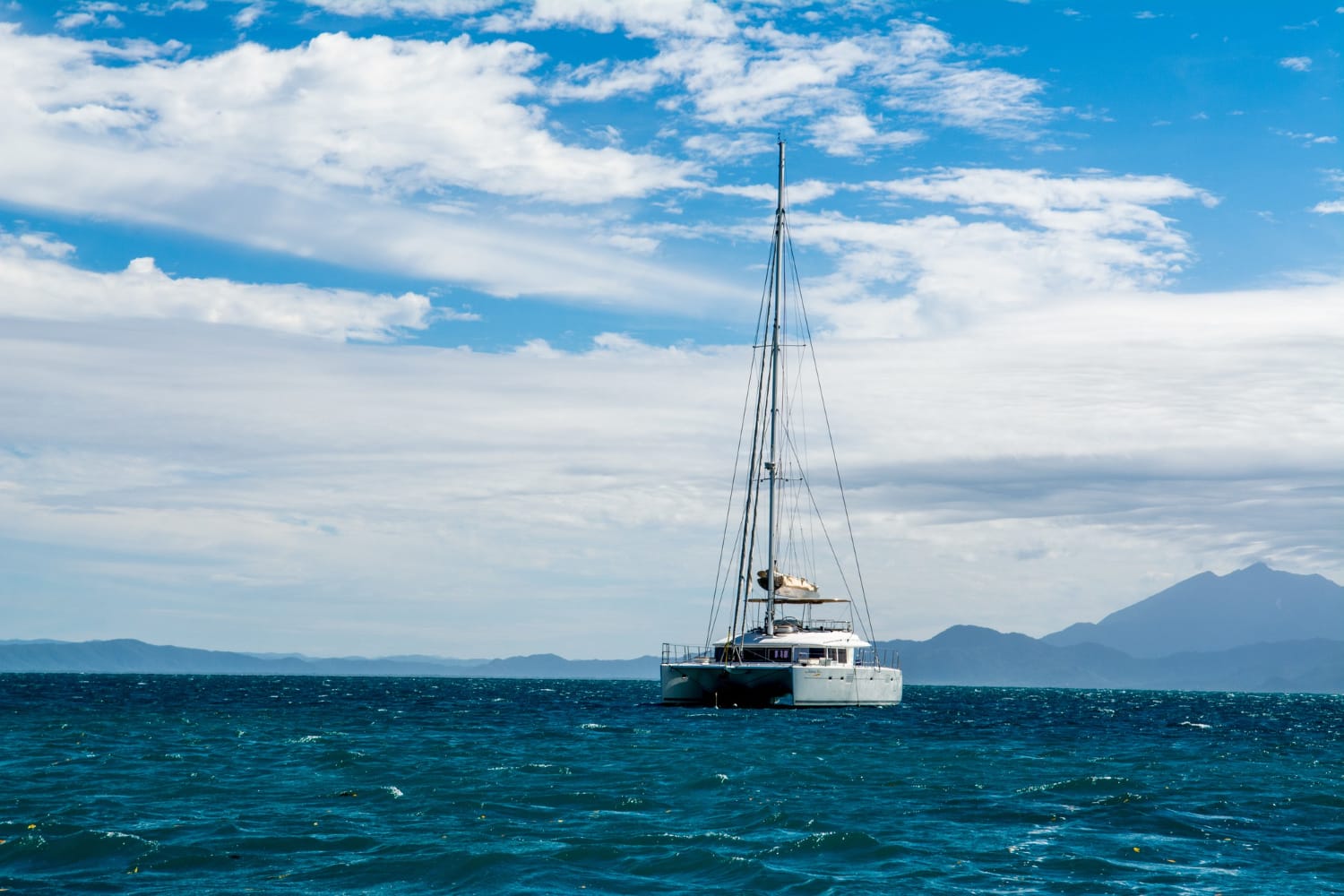
The right destination depends less on which port is most famous than on how you intend to use the yacht.
For restaurants and beach clubs, Saint-Tropez, Ibiza and Mykonos remain the most developed choices.
For island hopping with relatively short distances, look at northern Sardinia, Croatia and the Balearics.
For longer periods at anchor, Corsica and the Turkish Riviera make more sense.
For an itinerary combining developed marina infrastructure with historic towns, Montenegro and Croatia work particularly well together.
Weather also matters. July and August are the busiest months across most of the Mediterranean, but they are not automatically the best. June and September frequently provide better marina availability and less pressure on restaurants and anchorages, while sea temperatures remain suitable for swimming.
In the Cyclades, summer Meltemi winds need to be considered. In the Strait of Bonifacio, wind conditions can alter a Sardinia-Corsica crossing. Charter planning should therefore begin with geography and weather rather than a fixed list of restaurant reservations.
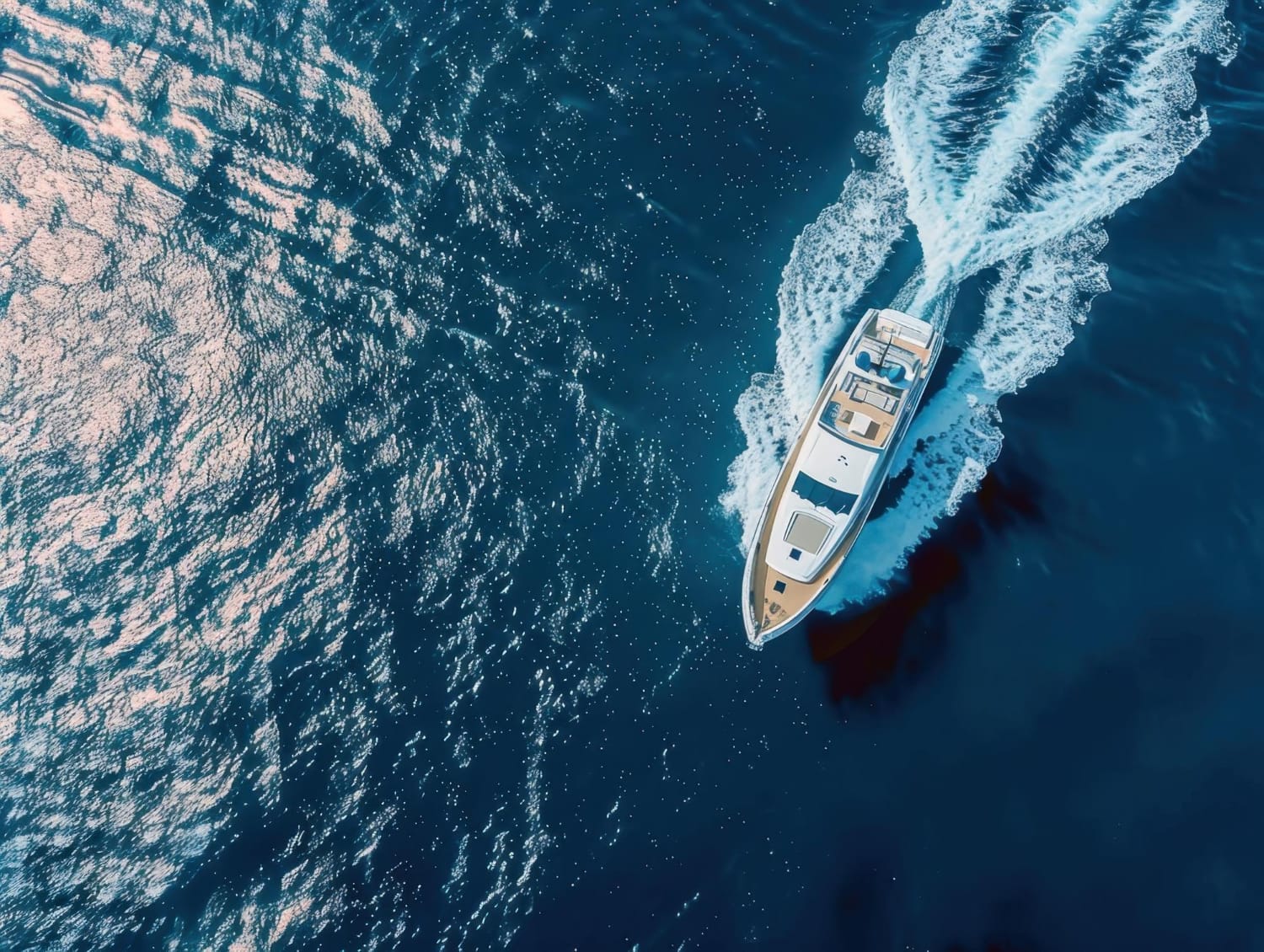
The modern Mediterranean charter is becoming less about arriving in a famous marina and remaining there.
The yacht is most useful when it changes the geography of the trip.
Saint-Tropez makes more sense when paired with Pampelonne, Cap Taillat and Porquerolles. Porto Cervo becomes a route through La Maddalena and onward to Corsica. Mykonos becomes the entrance to Delos and the Cyclades. Ibiza leads naturally to Formentera. Dubrovnik can open a route through the Croatian islands and into Montenegro.
That shift also changes how destinations should be selected. A hotel, restaurant or beach club may justify going ashore for several hours; it does not need to dictate an entire week.
For a Mediterranean yacht charter in 2026, the strongest itineraries combine both: ports where there is a reason to dress for dinner, and stretches of coastline where there is no reason to go ashore at all.