Amanvari Mexico: Why Aman Chose Baja
Aman’s first Mexican resort, set within the Costa Palmas enclave on the Sea of Cortés, signals a quieter, design-led chapter for Baja’s East Cape.
– 7 min read

Aman’s first Mexican resort, set within the Costa Palmas enclave on the Sea of Cortés, signals a quieter, design-led chapter for Baja’s East Cape.
“The land is not merely soil; it is a fountain of energy flowing through a circuit of soils, plants, and animals.” — Aldo Leopold
Baja California Sur’s East Cape remains a place of fewer interruptions. The highway from Los Cabos International Airport runs north through the San José corridor, then bends east toward the Sierra de la Laguna, leaving behind the familiar rhythms of resort life. Cacti and desert scrub give way to long arcs of sand that face the Sea of Cortés, and the water shifts from deep navy to a hazy turquoise along the shoreline. It is a coastline that has seen modest fishing camps and a handful of private ranch compounds, but little of the density that defines Cabo San Lucas and the corridor.
Into this landscape, Aman will place its first Mexican property. Amanvari, scheduled to open in 2026, occupies a 1,000-acre master-planned community called Costa Palmas, a development that already includes the Four Seasons Resort Los Cabos, a Robert Trent Jones II golf course and a marina capable of berthing superyachts. Amanvari is the quieter piece in that composition: 18 freestanding casitas and a collection of branded residences set on an estuary where desert, mountains and sea converge. The decision to make Baja the brand’s entry point into Mexico says as much about Aman’s map of desire as it does about the changing geography of quiet luxury.
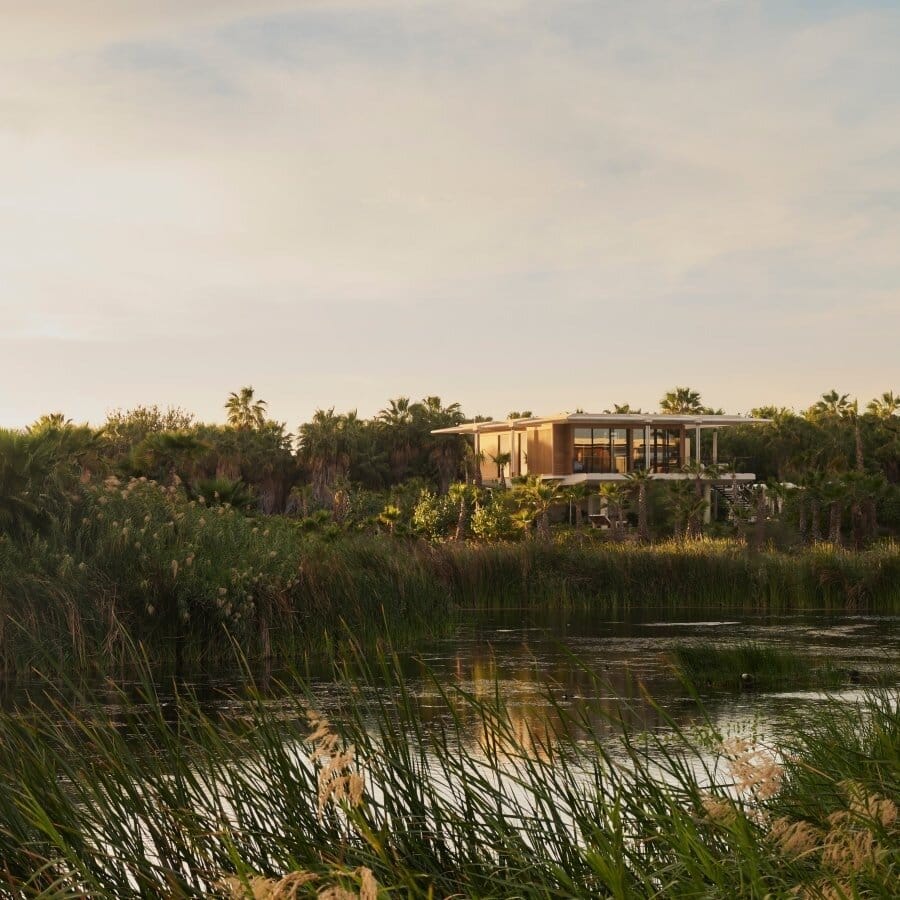
Aman’s design ethos has long centred on subtraction. The properties value space, silence and a sense of arrival that feels less like a transaction and more like a slow exhale. Amanvari extends that logic to a part of Mexico that remains, for now, relatively undeveloped. The concept is neither a beach-club scene nor a clinical wellness campus, but a sanctuary oriented around the rhythms of the desert and the sea.
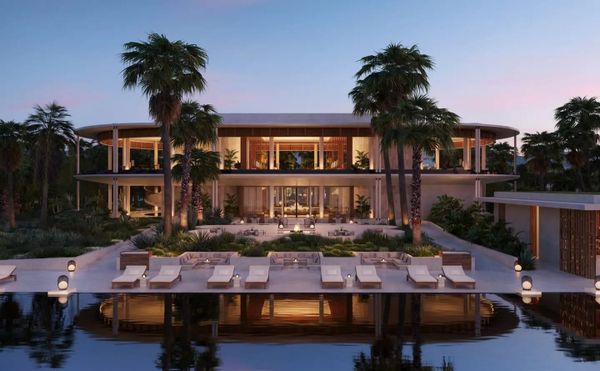
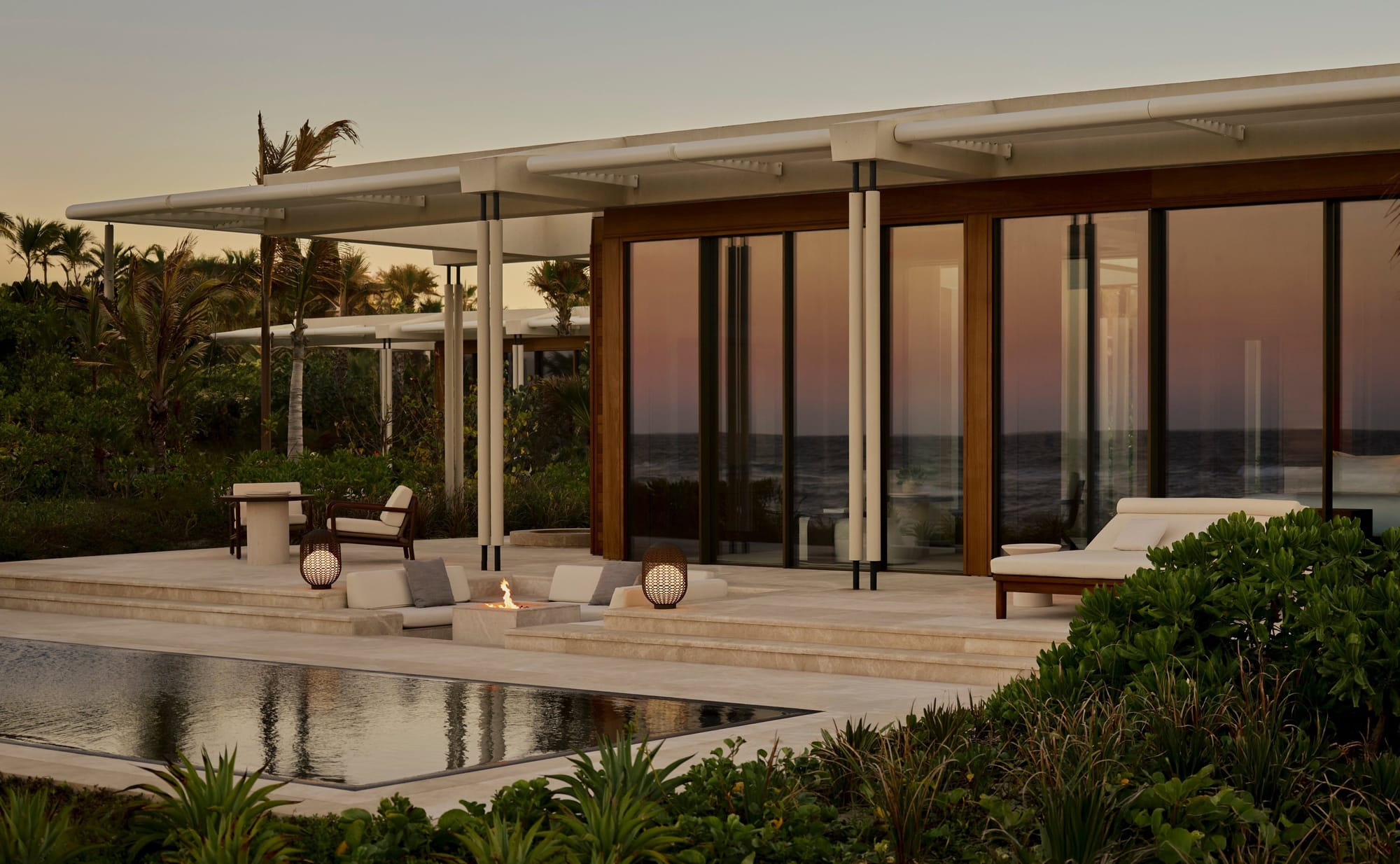
The architectural lead, Elastic Architects, has drawn a language of white concrete, natural stone and tropical hardwoods, with pavilion-like structures raised on stilts to follow the dune contours and open toward the water. The palette is deliberately spare, echoing the geology of the cape rather than competing with it. The resort’s low density, just 18 keys for guests, places it among the smallest in the Aman portfolio and reinforces a sense of protective quiet. Amanvari’s philosophy, like the brand’s other far-flung addresses, treats solitude as a privilege and design as a frame for landscape. As the Mexican proverb has it, “El desierto es un libro abierto escrito en la arena” — the desert is an open book written in the sand. Amanvari seems designed to let guests read it slowly.
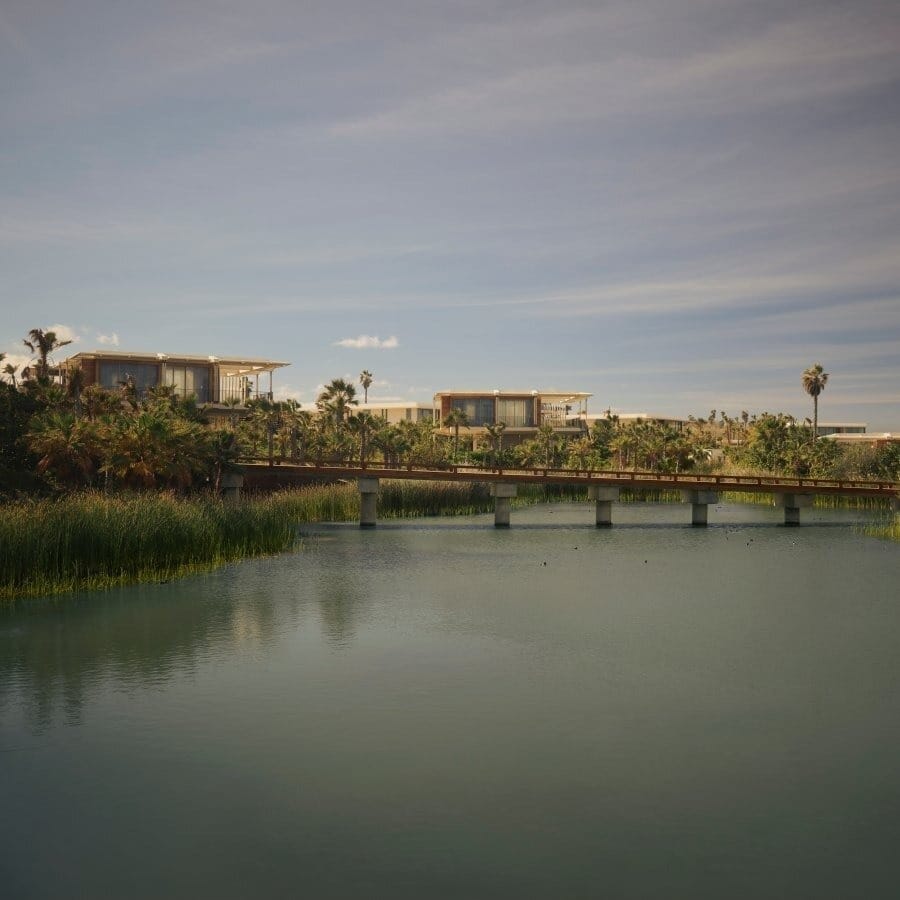
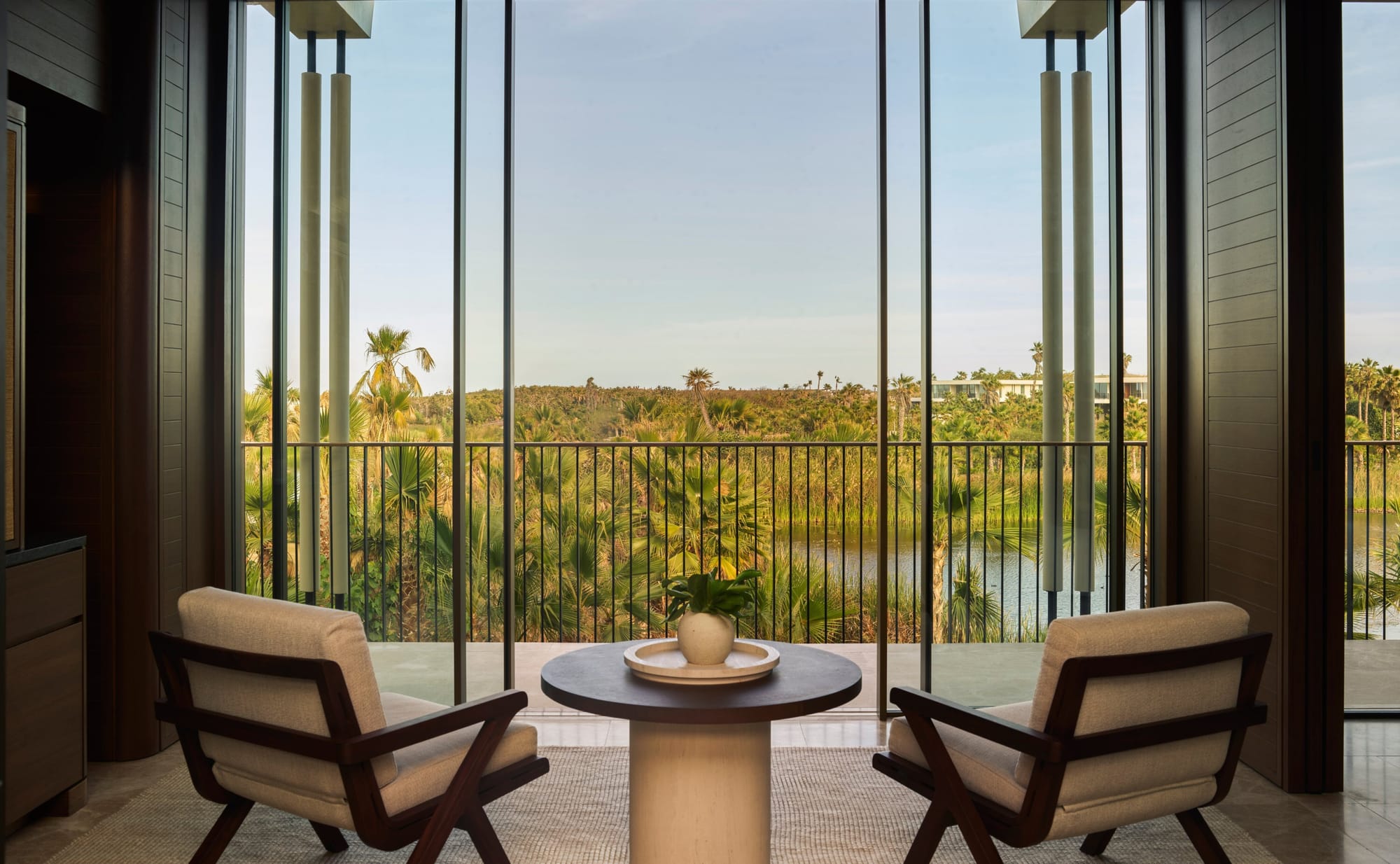
The resort’s 18 contemporary casitas are conceived as private pavilions, each elevated on stilts and oriented to capture views of the Sea of Cortés and the Sierra de la Laguna mountains. Elastic Architects describes the rooms as “a sanctuary that provides guests & residents the feeling of escape to their own private oasis,” and the architecture supports that claim through deep overhangs, shaded courtyards and sliding walls that dissolve the boundary between inside and out.
Interiors combine white concrete volumes with warm timber ceilings and stone floors. Furnishings are sparse, almost monastic, while floor-to-ceiling glazing frames the desert light in ways that change hour by hour. Each casita includes a private terrace with a plunge pool or outdoor bathtub, and the placement amid dune vegetation gives the impression of floating above the sand rather than intruding upon it. The branded residences, meanwhile, follow the same aesthetic logic but offer larger footprints, private pools and direct access to resort services for those who wish to own a piece of this stretch of coast.
Aman has not yet released detailed menus or chef appointments for Amanvari, but the gastronomic approach will likely mirror the brand’s established playbook: a focused, produce-driven kitchen that draws on Baja’s marine larder and the organic farms of the nearby foothills. The Sea of Cortés supplies an extraordinary diversity of fish and shellfish, while the ranching and agricultural traditions of the peninsula bring citrus, avocado, heirloom corn and artisan cheeses to the table.
Guests can expect multiple dining settings: an all-day restaurant with outdoor terraces overlooking the estuary, a more intimate bar with a raw-fish counter, and in-casita dining for those who prefer meals without company. The culinary philosophy is likely to emphasise simplicity and provenance, aligning with Aman’s wider belief that luxury at the table means ingredient over ornament.
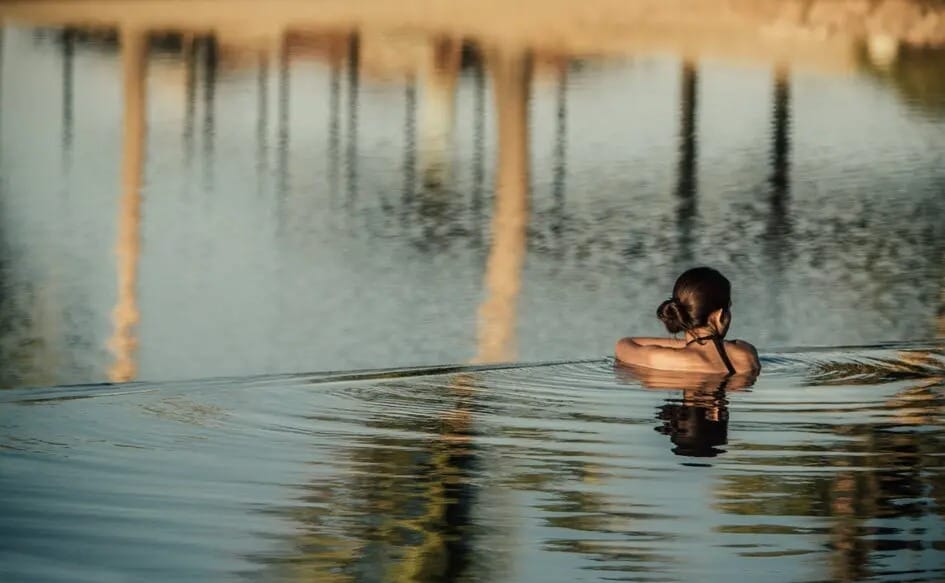
An Aman spa is rarely an afterthought. At Amanvari, the wellness offering is expected to centre on a standalone spa building set within a courtyard of desert gardens, with treatment rooms that open onto private patios. While the number of rooms and the full menu of therapies have yet to be published, the resort will draw on both Asian-inspired holistic traditions and local healing practices that employ desert herbs, marine muds and hot-stone techniques linked to the volcanic geology of Baja.
A movement studio, steam rooms, cold plunge pools and an outdoor yoga deck are planned, along with a programme of retreats that may eventually include visiting practitioners. The spa’s positioning will likely be less clinical than a medical wellness centre and more sensory, using the landscape itself as a therapeutic instrument: the sound of the estuary, the arid scent of sagebrush, the dry warmth of the desert afternoon.
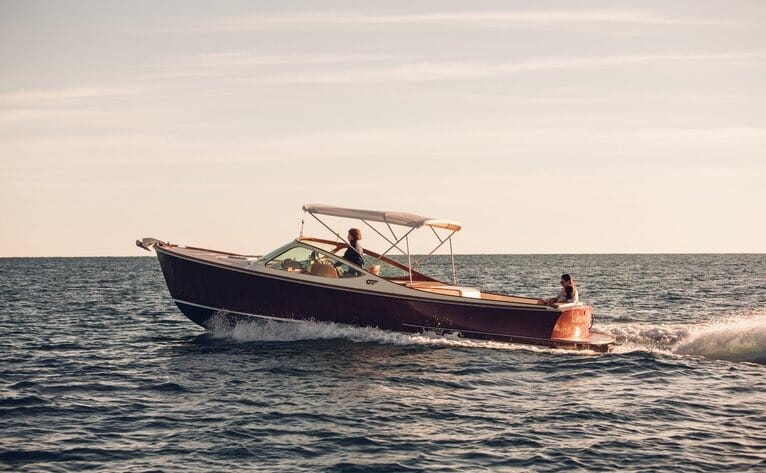
Beyond the casitas and the spa, Amanvari opens onto a landscape that invites active exploration. The Sea of Cortés, described by Jacques Cousteau as the “aquarium of the world,” is a natural playground for snorkelling, diving, kayaking and sport fishing. Cabo Pulmo Marine Park, a UNESCO World Heritage site and one of the most biodiverse reef systems in North America, lies a short boat ride to the north.
On land, the Costa Palmas development provides a private marina for yacht owners, an 18-hole golf course, and a beach club. Hiking trails thread into the Sierra de la Laguna, and the desert itself rewards slow, early-morning walks when the heat is still low and birdlife is most active. The resort’s design, by Elastic Architects, ensures that returning to the casita feels like re-entering a cooled, protected space where the desert’s raw edge softens into an ordered calm.
Amanvari is aimed squarely at travellers who seek privacy, space and a design-led environment rather than a social scene. It will appeal to couples, solo owners of Aman-branded residences, and multi-generational families who value quiet over programmed entertainment. The presence of a superyacht marina makes the resort a natural stop for those cruising the Sea of Cortés, while the branded villas speak to buyers looking for Aman-serviced homes that double as strong real-estate assets.
The property is less suited to travellers who want walkable nightlife, a packed events calendar, or the kind of high-energy beach-club culture that characterises parts of the Cabo corridor. Amanvari expects guests to find their own rhythms. It rewards slowness, not FOMO.
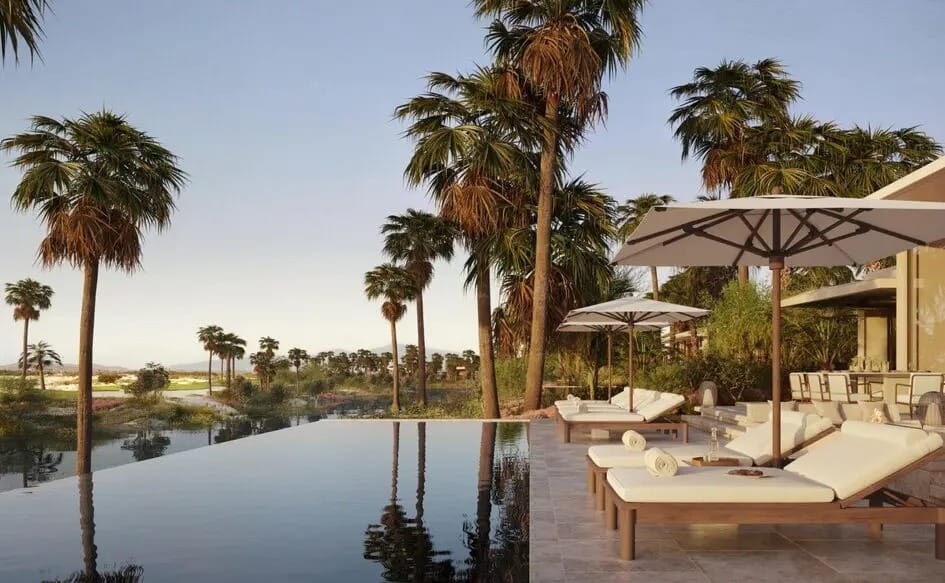
Amanvari does not yet exist in brick and mortar, but it already exists in the imagination of a certain kind of traveller. It represents a bet that the East Cape’s quiet coastline, still largely untouched by mass tourism, can absorb a new layer of ultra-privacy without losing the rawness that makes it attractive. In many ways, the resort is as much about what it omits as what it includes: no casino, no nightclub, no rush. Just the desert wind, the water, and a surprisingly small number of rooms. If Amanvari delivers on that promise, it may well shift the centre of gravity for luxury hospitality in Baja California Sur, away from the corridor’s noise and toward a more subtle, elemental version of Mexican coastal life.
Website: Amanvari on Aman.com
Address: Costa Palmas, La Ribera, Baja California Sur, Mexico
Price range: Not yet publicly disclosed
Best time to visit: November to April for mild desert temperatures and calm seas
Nearest airport: Los Cabos International Airport (SJD), approximately 45 minutes by car
What is Amanvari?
Amanvari is Aman Resorts’ first property in Mexico, opening in 2026 within the Costa Palmas development on Baja California Sur’s East Cape. It will offer 18 freestanding casitas and a collection of branded residences.
Where is Amanvari located?
The resort is situated in La Ribera, on the Sea of Cortés, about 45 minutes by car from Los Cabos International Airport. It forms part of the 1,000-acre Costa Palmas master-planned community.
When will Amanvari open?
Aman currently lists an opening in 2026, with trade sources


