The Role of Photography in Interior Design
– 3 min read

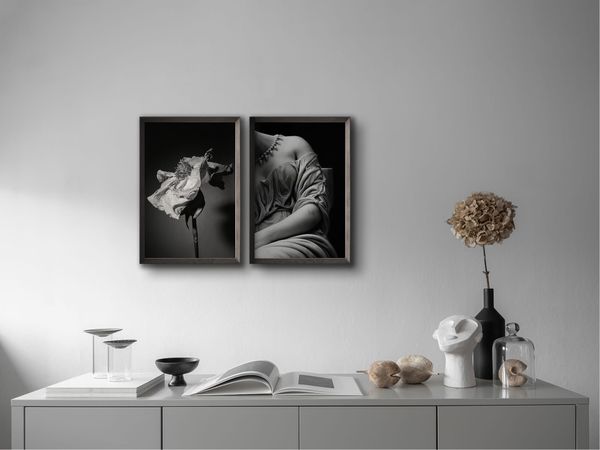
Photography has long ceased to be merely a way to capture a moment.Over its many years of evolution, photography has undergone a complex yet fascinating transformation. It has become something far more layered—a medium of self-expression capable of conveying not only external realities but also the inner emotions and philosophical musings of its creator. Photography has emerged as a fully-fledged art form and a powerful tool for crafting the unique ambiance of any space.
Undoubtedly, personal snapshots that evoke warm memories, bring smiles, and touch the heart can contribute to a room’s mood. However, when photography is approached as an art form, this task is best accomplished through authorial works.
The uniqueness of such works lies in their ability to harmoniously merge various visual languages. These might include an intricate blend of painterly tones or the dynamic energy of cinematography. This approach creates layered images capable of eliciting both highly positive and intensely negative emotions, the strength of which depends not only on the work itself but also on the personal experiences and perceptions of the viewer. It is this interplay that makes each piece unique.
The idea, shaped consciously or unconsciously under the influence of deep historical context, gives birth to true works of art. Carefully composed arrangements, meticulous color choices, and masterful use of light transform these pieces into visual narratives or abstract imagery. Some photographs are so expressive they rival masterpieces of painting and graphic art. At the same time, unlike painting, photography captures a singular moment in reality that will never recur, yet remains open to the subjective interpretation of its author.
For example, consider the works of renowned photographers such as:
Sarah Moon, whose pieces captivate with emotional depth and stunning ephemeral beauty. Her images, like dreams balanced on the edge of reality, transcend time to touch the soul, making them an ideal choice for many interior styles.
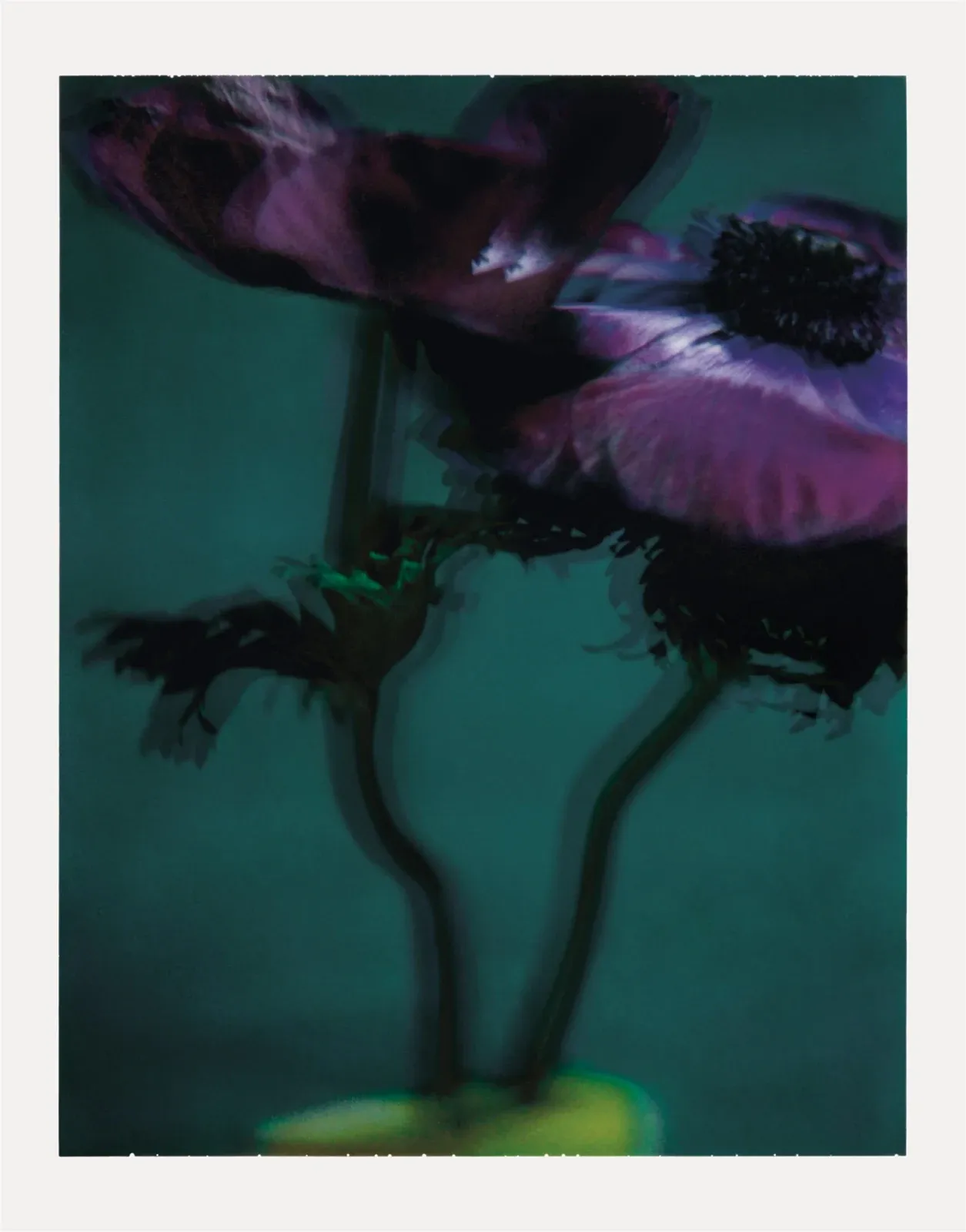
Sarah Moon, L’Anemone, 2003
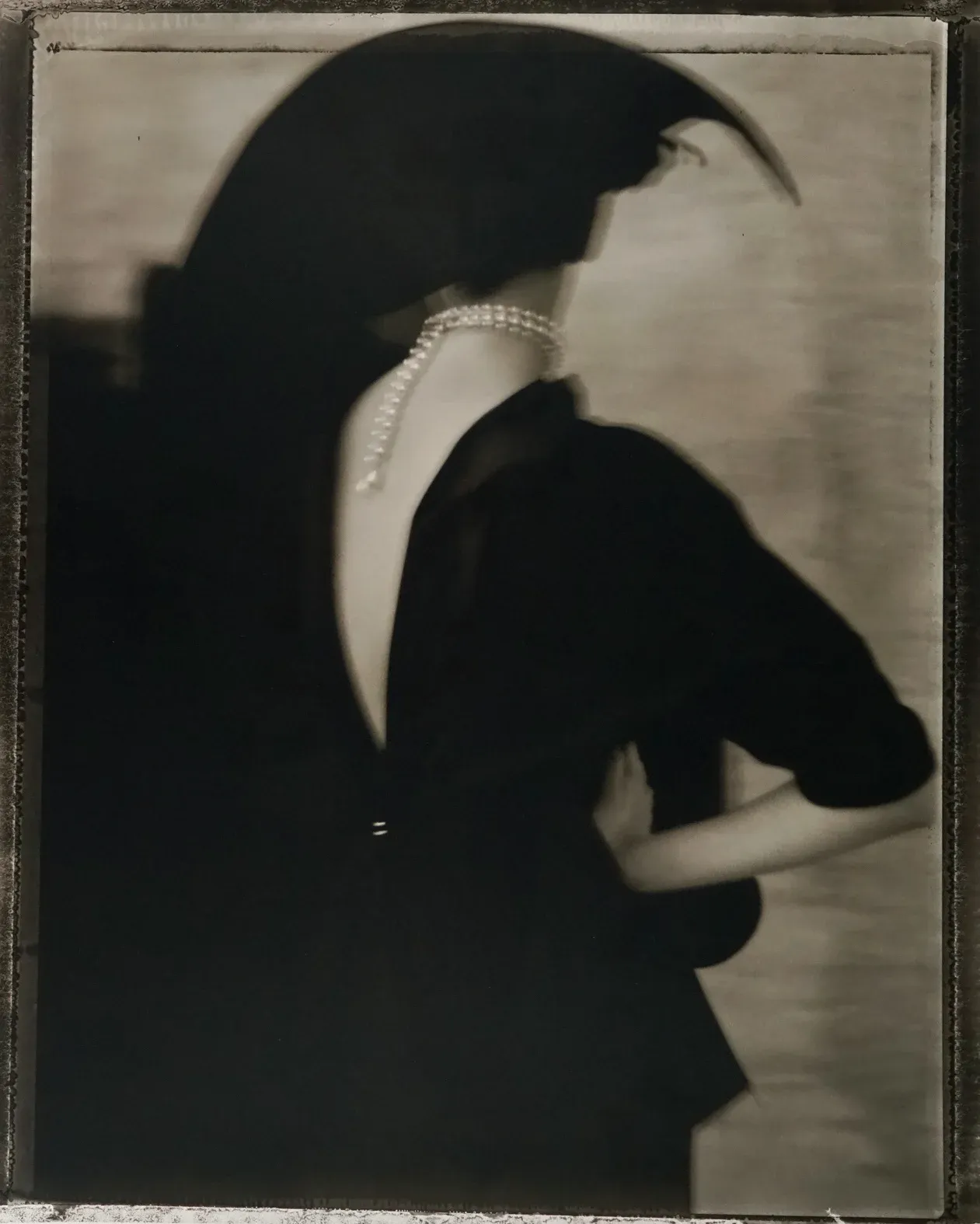
Sarah Moon, L’Inconnue, 2011
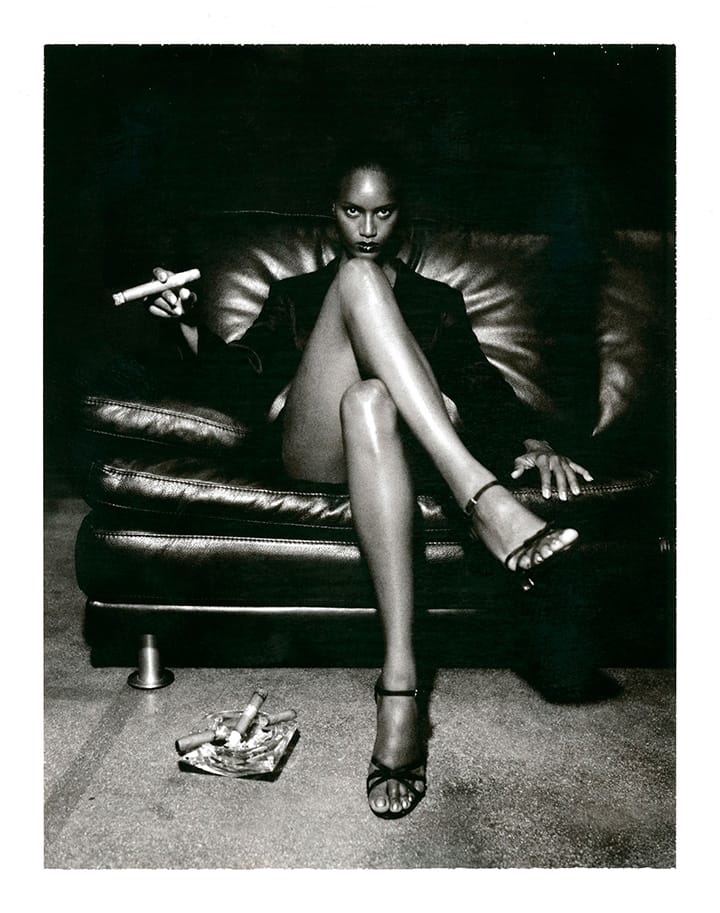
Helmut Newton, whose provocative yet refined fashion photography serves as bold accents in ultra-modern interiors.
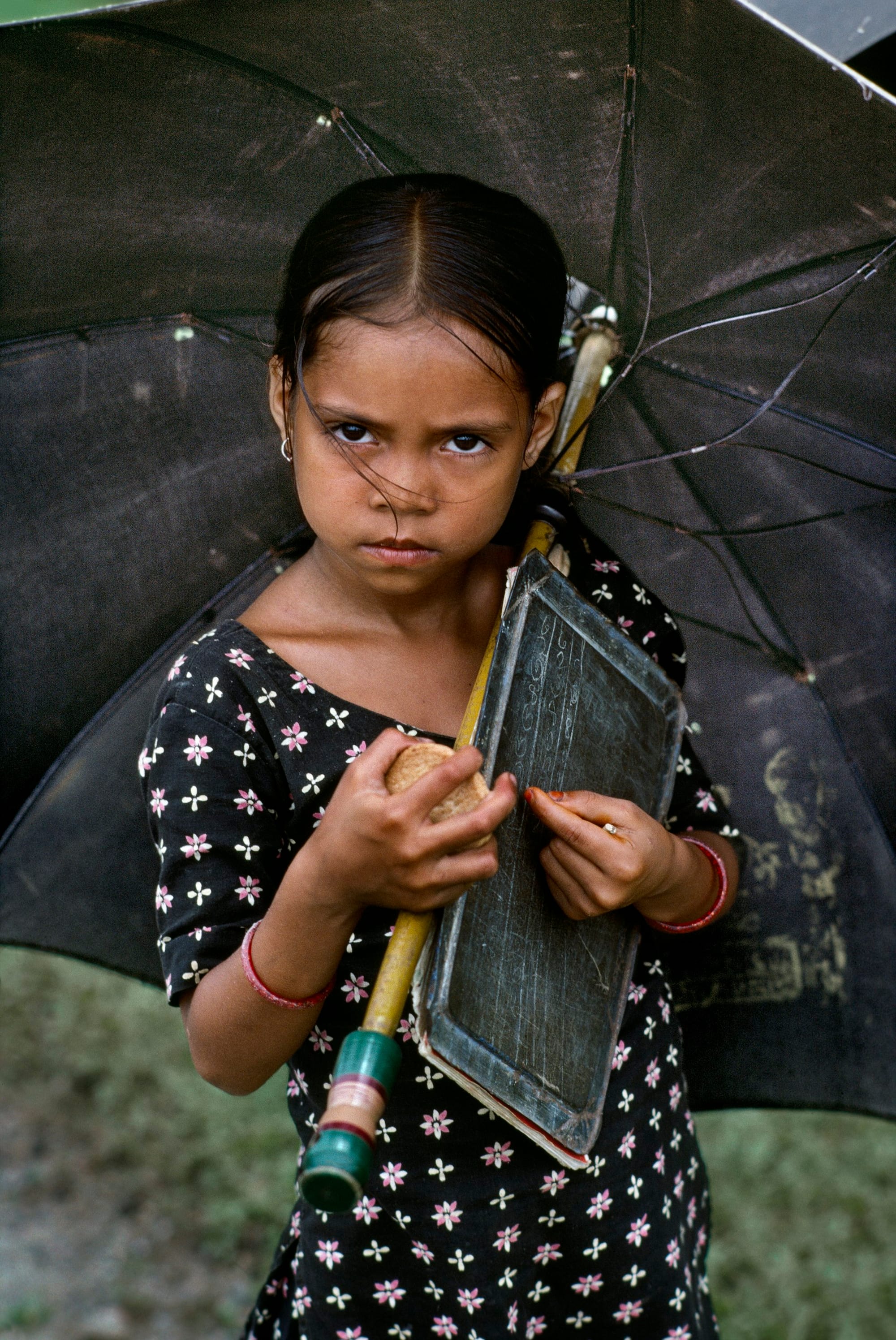
Steve McCurry, with his iconic portraits from around the world, perfectly suited to interiors with ethnic motifs.
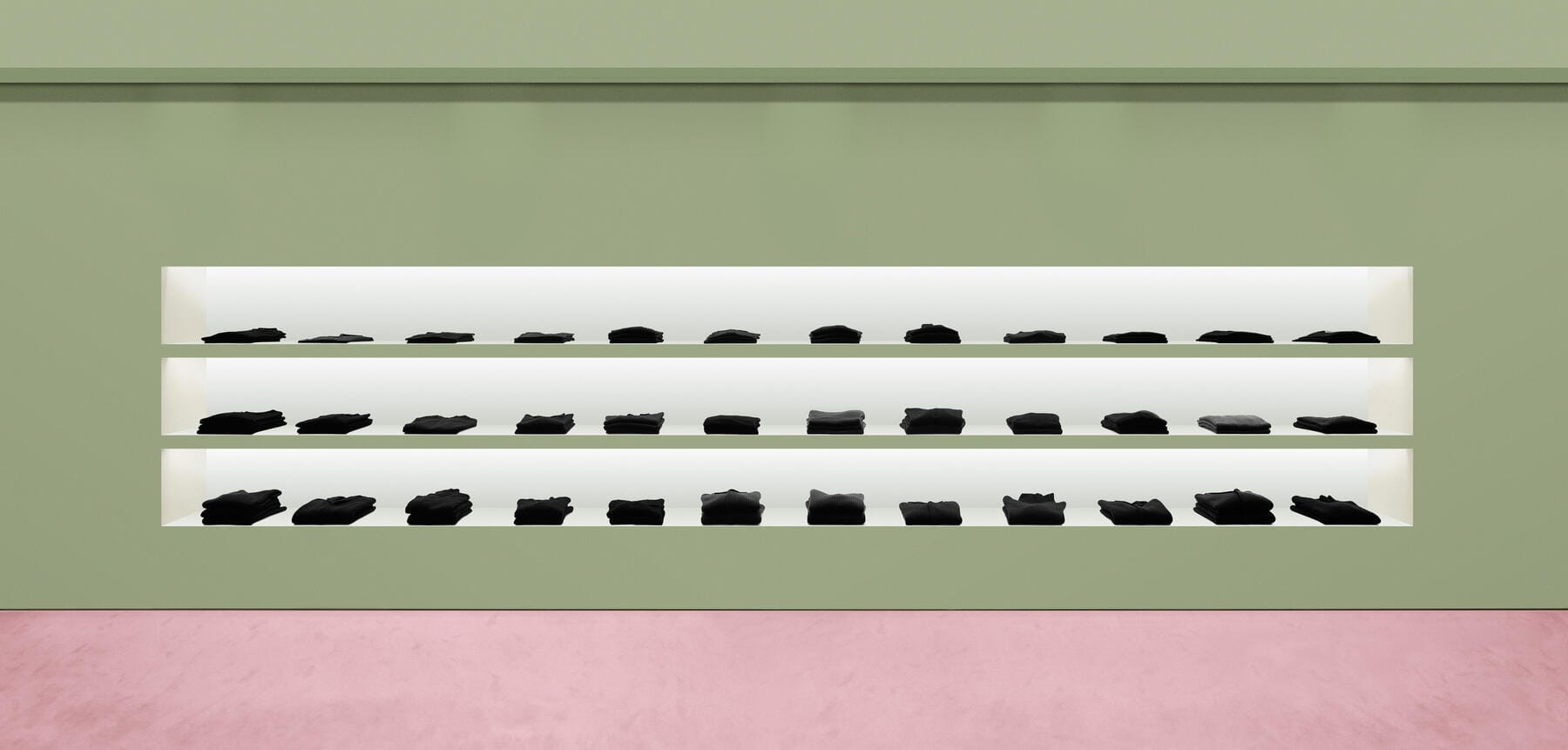
Andreas Gursky, by contrast, creates works that impress with their scale and meticulous detail, inviting viewers to contemplate complex modern themes. His photographs are ideally suited to minimalist interiors, adding intellectual depth. With their monumental presence, they become true art objects within the space.
Choosing authorial photography for an interior is a delicate process that requires attention to numerous factors, with the specific style of the space often providing direction. For example, abstract works or monochromatic landscapes are ideal for modern minimalist interiors, while serene, classic interiors often call for photographs with clear narratives.
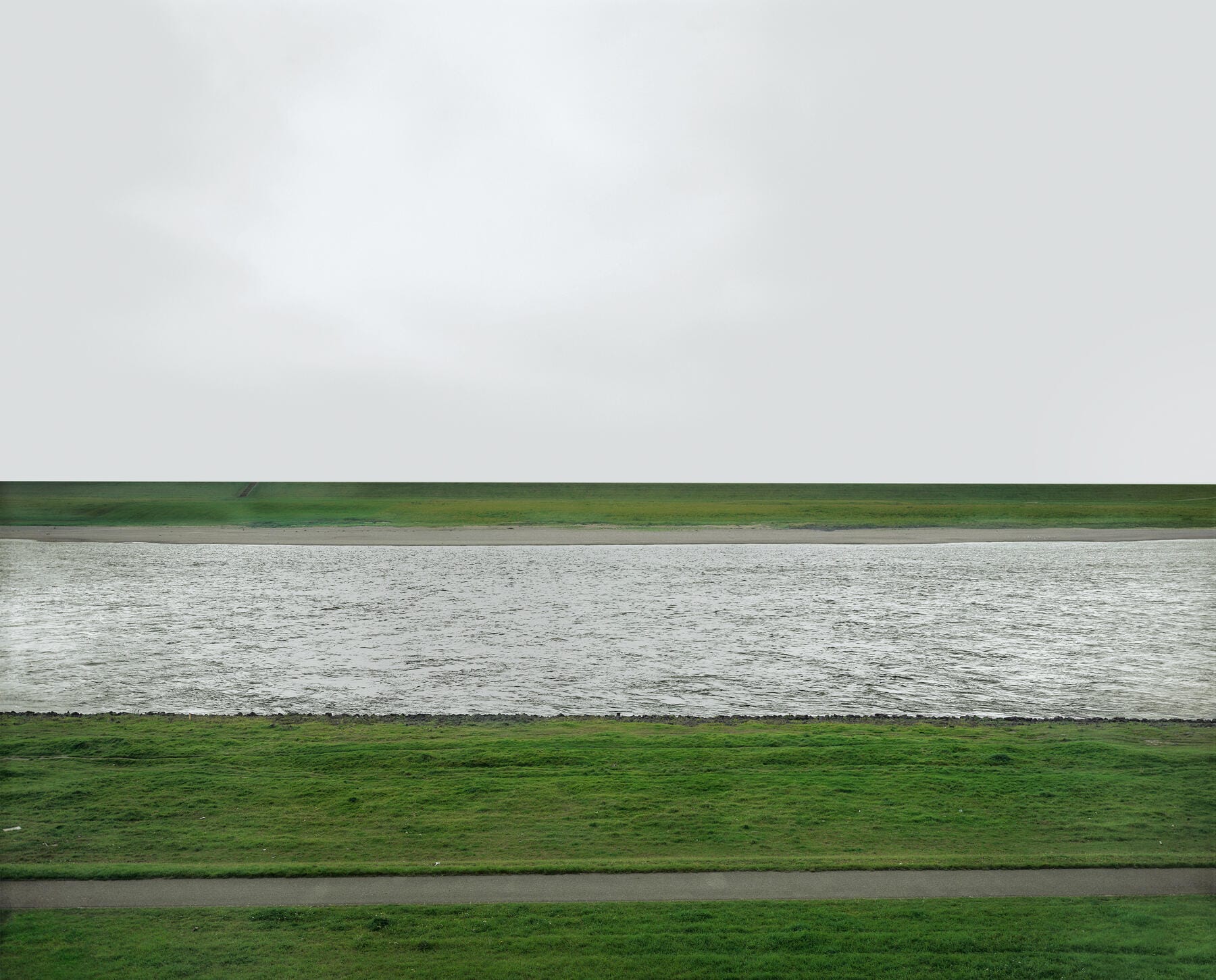
The subject matter of the photographs also plays a crucial role in creating an atmosphere. Landscapes, for instance, evoke a sense of openness and depth, while still lifes bring warmth and coziness. Portraits, in turn, can add drama and emotional intensity. Color schemes are another key aspect of selecting photography. They should harmonize with the overall style of the interior, emphasizing its characteristics and enhancing the intended mood.
Overall, photography should seamlessly integrate into and complement the interior. At the same time, it can serve as a bold, standalone accent. Large-scale works are perfect for spacious rooms, while smaller pieces make an impact in compositions of several images or as standalone works when paired with tastefully chosen decor and lighting.
However, the most important criterion when selecting authorial photography is its ability to elicit a positive emotional response from the space's owner. After all, a home is not just a place to live but a reflection of our individuality, values, and personal history.
Author – Inna Oleff