Luxury Travel Experiences: How Hotels, Rail and Sea Travel Are Becoming One Journey
– 2 min read

Luxury travel experiences are shifting from individual stays to fully designed journeys, combining destination resorts, luxury rail journeys, private aviation and new yacht-based hospitality concepts from brands including Orient Express, Aman and Four Seasons.
Luxury travel is increasingly being shaped around the journey itself rather than a single hotel reservation. For experienced international travellers, the question is moving from where to stay to how an entire trip is designed — from departure and transport to accommodation, dining and access to remote destinations.
This shift is visible across several sectors. Hotel groups are entering rail and maritime travel, while traditional transport operators are adopting hospitality-led models. The result is a new category of luxury travel experiences built around continuity between different stages of a journey.
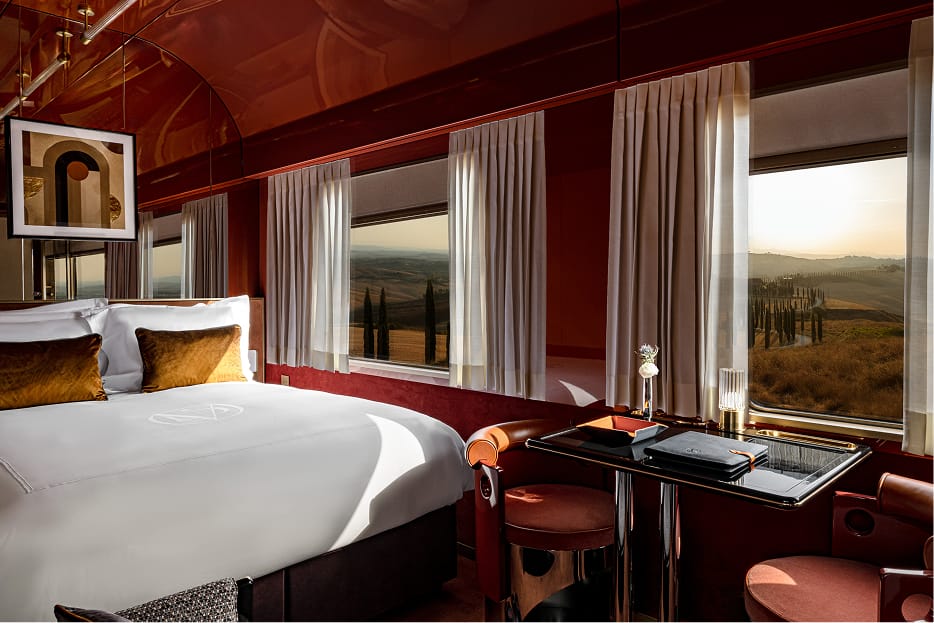
The revival of luxury rail is one of the clearest examples of this change. The forthcoming Orient Express La Dolce Vita service brings Italian routes, regional cuisine and design-led cabins together in a format closer to a moving hotel than conventional transport.
Rather than simply connecting destinations, new luxury rail journeys are being positioned as complete itineraries, where the train itself becomes part of the travel experience. Routes focus on cultural landscapes, historic cities and slower movement through regions that are often passed quickly by air.
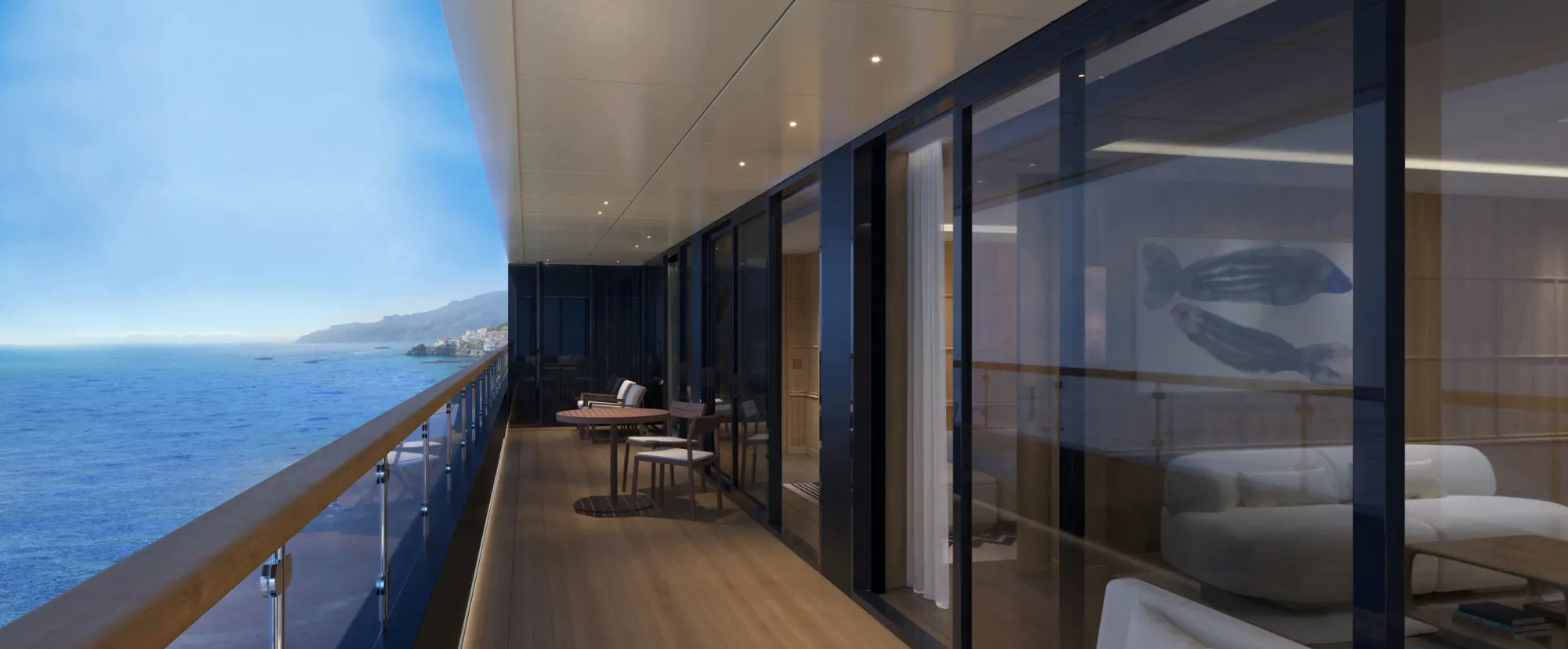
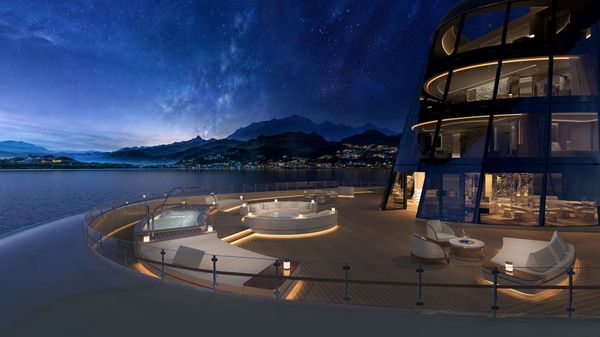
The maritime sector is following a similar direction. Aman is developing Aman at Sea, extending its hospitality model into private yacht travel, while Four Seasons Hotels and Resorts is also entering the yacht market with Four Seasons Yachts.
These projects reflect a wider change in luxury yacht travel: travellers are looking for the service standards and design approach of high-end resorts combined with access to coastal destinations and private itineraries.
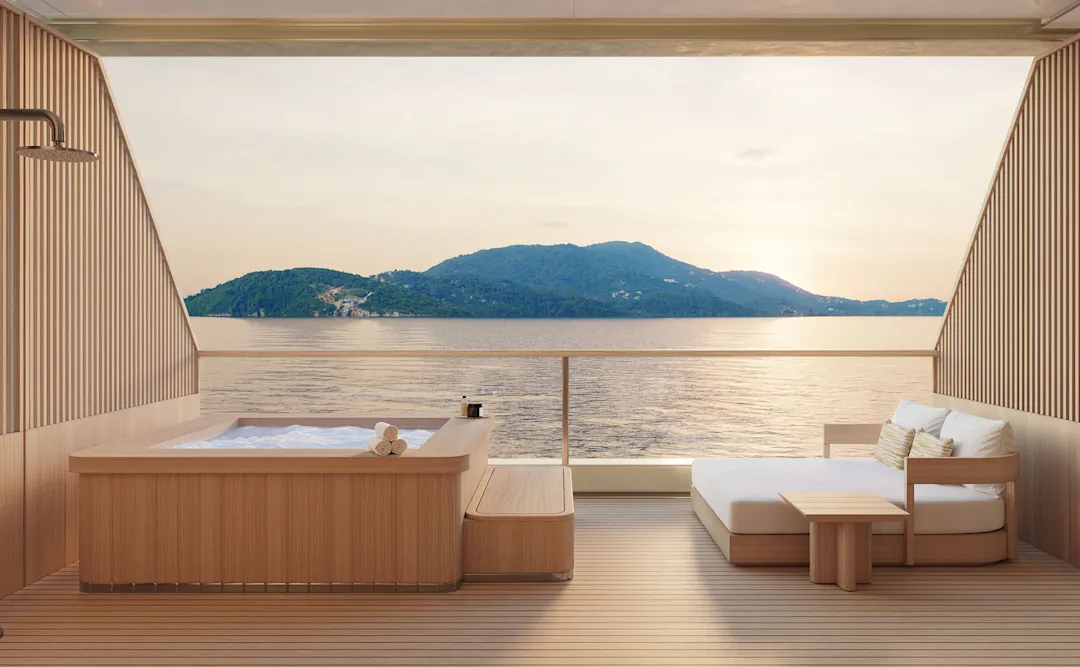
Destination resorts remain central to this model, but increasingly as one element within a longer itinerary. A stay in a remote resort may now be combined with private aviation transfers, rail connections, yacht access or multi-destination programmes planned around geography and season.
For UHNW travellers, the value lies less in individual amenities and more in the coordination of the entire journey: reliable access, privacy, design consistency and carefully selected destinations.
The next stage of luxury travel experiences will likely be defined by how seamlessly these elements connect. Hotels, trains, yachts and aviation are no longer separate categories; they are becoming parts of a single travel ecosystem.