Luxury still sells desire. But desire has changed.
Luxury is no longer defined solely by what we own, but by how we live. From LVMH to Prada, leading brands are moving beyond products to create immersive experiences, cultural connections and a sense of belonging, redefining desire and shaping the future of luxury.
From LVMH to Prada, the leading names in luxury are redefining the very meaning of exclusivity, moving beyond products to create worlds of experience, culture and lifestyle that people aspire to be part of.
For decades, luxury was defined primarily through objects. A handbag, a watch, a couture dress or a piece of jewellery could condense craftsmanship, heritage, scarcity and status into something tangible. The product was not simply purchased for its function; it represented access to a particular world and communicated something about the person who owned it.
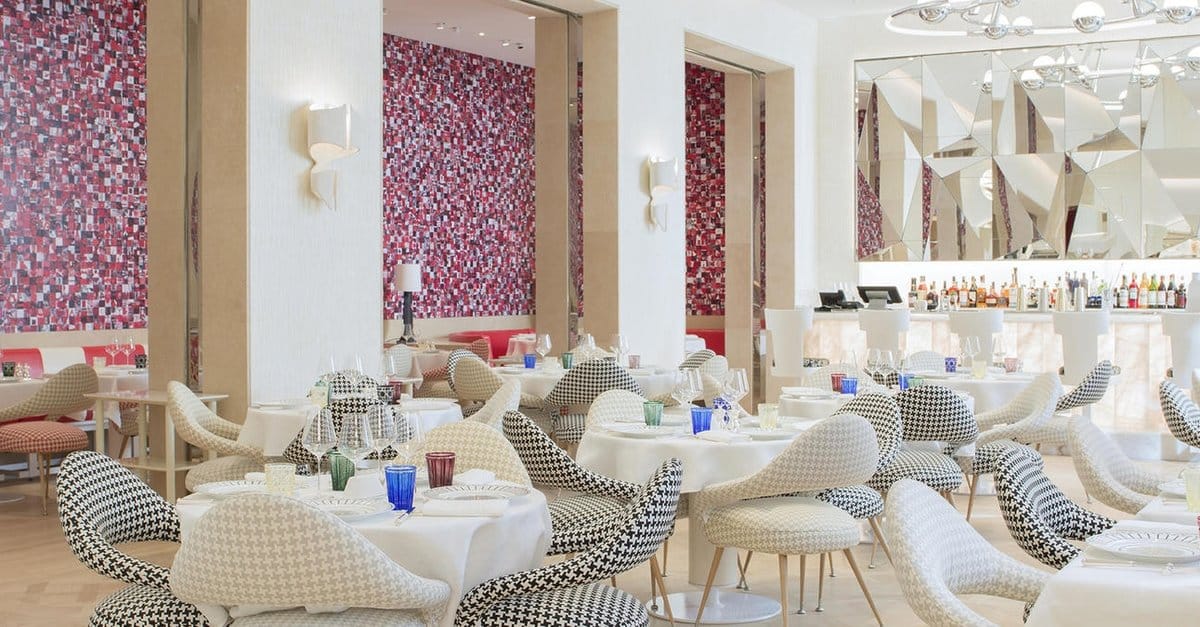
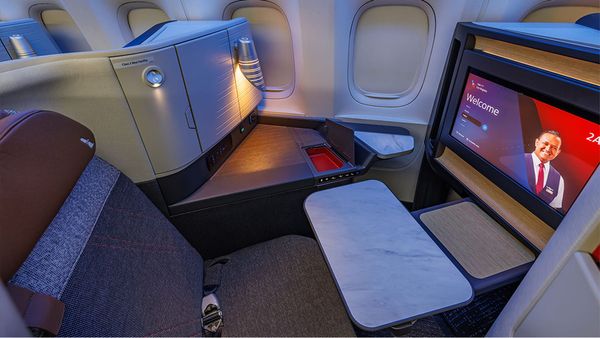
That logic remains powerful, but it no longer explains the full luxury landscape. Some of the industry's most significant investments are now taking place beyond fashion, jewellery and accessories. Luxury groups are expanding into hospitality, restaurants, private residences, travel, wellness, sport, art and entertainment, creating environments in which consumers can do much more than purchase a product: they can inhabit the universe of a brand.
This is more than diversification. It reflects a deeper transformation in luxury consumption: aspiration is increasingly shifting from what we own to how we live.
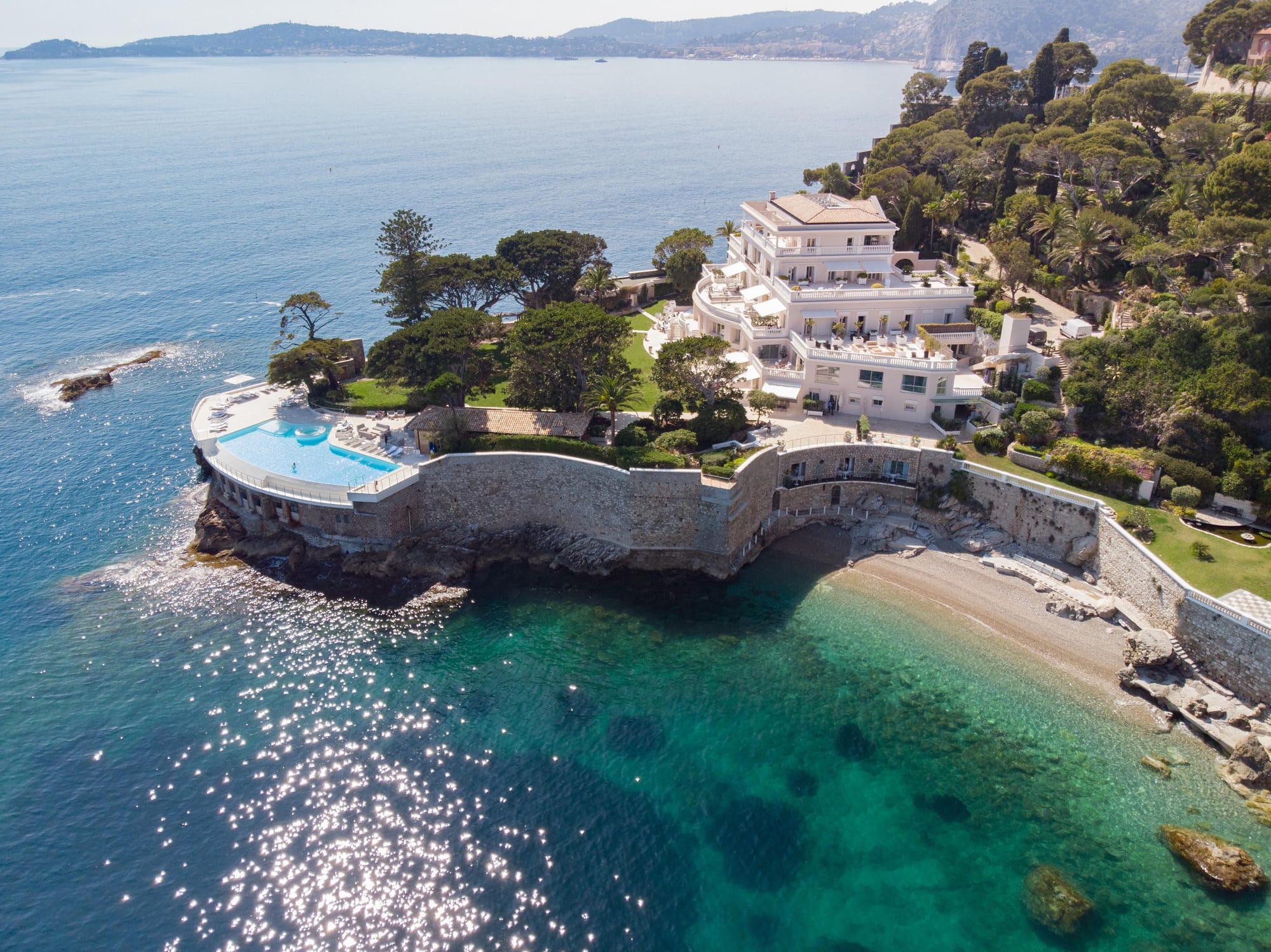
Few groups illustrate this evolution as clearly as LVMH. When LVMH completed its acquisition of Belmond in 2019, in a transaction valuing the company at approximately $3.2 billion, it gained far more than a collection of prestigious hospitality assets. Belmond brought with it legendary hotels, trains and travel experiences capable of extending luxury from an object into a destination.
The strategic significance becomes clearer when we consider what hospitality offers that a conventional product cannot. A handbag may embody a house's codes and craftsmanship, but a hotel can translate values into architecture, gastronomy, art, wellness, scent, music, landscape and human interaction. Instead of encountering a brand through a campaign or boutique, the guest spends days immersed in its universe.
Traditional luxury has always understood the power of scarcity. The exceptional object was desirable partly because relatively few people could possess it. Experiential luxury introduces another form of scarcity: access.
Access to extraordinary destinations, privacy, personalised service, cultural discovery and perhaps the rarest luxury of all today: time without urgency.
This changes the psychology of aspiration. Consumers still desire exceptional products, but increasingly they also aspire to a particular way of living. The ultimate status symbol may no longer be only the object someone can see you wearing, but the life they imagine you are experiencing.
For luxury brands, hospitality also provides something increasingly difficult to obtain: time with the customer.
An advertisement receives seconds of attention. A social post perhaps slightly more. A boutique visit may last an hour. A hotel can have a guest's attention for several days, creating dozens of emotional and sensory touchpoints.
That depth of interaction makes hospitality one of the most powerful forms of brand communication available today.
Luxury brands are becoming cultural ecosystems
The world's most influential luxury houses are increasingly moving into gastronomy, art, sport, architecture, entertainment and cultural programming. What can appear to be unrelated initiatives often serves the same strategic purpose: creating more opportunities for consumers to enter the brand's universe.
A hotel, a sporting partnership, an art foundation and a fashion collection may seem fundamentally different. Strategically, however, they can achieve something similar: they allow a brand to occupy a larger territory in people's imagination.
This is why I believe the future of luxury will increasingly be cultural rather than purely commercial.
The strongest brands are no longer behaving solely as manufacturers of desirable products. They are becoming publishers, hosts, curators, cultural patrons and creators of experiences. Their competitive advantage depends not only on what they make, but on the world they construct around it.
This transformation also changes how luxury brands need to communicate.
Craftsmanship, heritage, provenance and exclusivity remain fundamental, but they are increasingly the beginning of the story rather than its entirety.
Today's luxury consumer encounters a brand through an expanding network of touchpoints: a film, a hotel, an exhibition, a restaurant, a sporting event, a social platform or a cultural collaboration. The transaction becomes one moment within a much larger relationship.
The strategic question therefore evolves from “What are we selling?” to “What world are we inviting people to enter?”
A coherent answer creates something more valuable than visibility: belonging.
Brands can generate millions of impressions without generating equivalent attachment. Cultural relevance emerges when consumers recognise a brand's codes, understand its worldview and want to participate in what it represents.
An audience observes a brand. A community identifies with it. Culture begins when the values, aesthetics and narratives surrounding that brand acquire meaning beyond the product itself.
None of this means that the handbag, watch or piece of jewellery is becoming less important. Exceptional objects retain their power, but increasingly they function as physical symbols of a much larger universe.
What is changing is the scale of aspiration surrounding them.
Luxury once invited consumers primarily to imagine possessing something extraordinary. Increasingly, it invites them to imagine travelling differently, accessing different places, spending their time differently and, ultimately, becoming a slightly different version of themselves.
Luxury will continue to sell desire. That is unlikely to change.
What is changing is the object of that desire.
Increasingly, consumers are not only asking, “What would I like to own?”
They are asking, “How would I like to live?”
And the luxury brands capable of answering both questions coherently will not simply participate in the industry's next chapter. They will help define it.
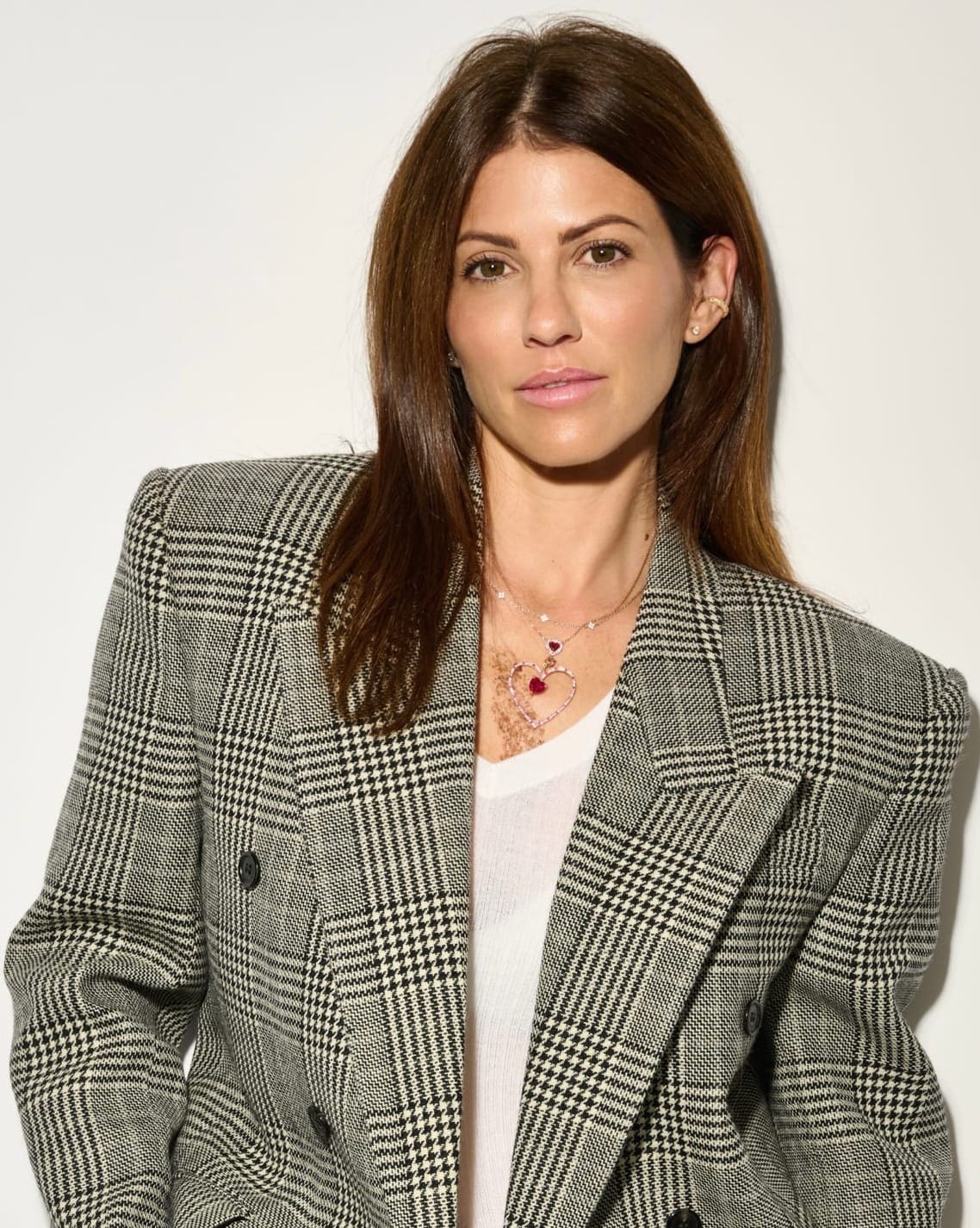
Veronica Gautschi is a brand strategist and entrepreneur specializing in luxury. She explores the intersection of branding, culture and business, offering fresh perspectives on the ideas and trends shaping the future of luxury.