Longevity Trends: The New Architecture of Healthspan
– 4 min read


Longevity has moved far beyond the old language of anti-ageing. The new conversation is not about resisting age, nor about extending life at any cost. It is about healthspan: the years in which the body remains metabolically stable, cognitively clear, physically resilient and able to recover. Across clinics, hotels, beauty brands and preventive medicine platforms, longevity is becoming a structured discipline built on measurement, early intervention and long-term behavioural change.
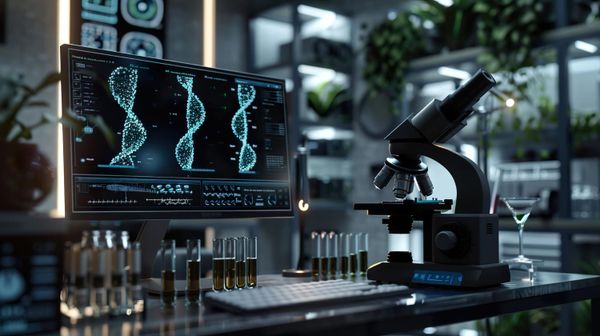
The first major shift is diagnostic. General wellness advice is losing authority as clinics turn to blood panels, genetic and epigenetic testing, microbiome analysis, hormonal profiles, inflammation markers, VO₂ Max, grip strength and biological age assessments. The premise is simple: two people of the same chronological age may be ageing at different biological speeds. A programme that works for one may be irrelevant, or even counterproductive, for another. Precision longevity begins by identifying what is actually happening in the body before designing a protocol around it.
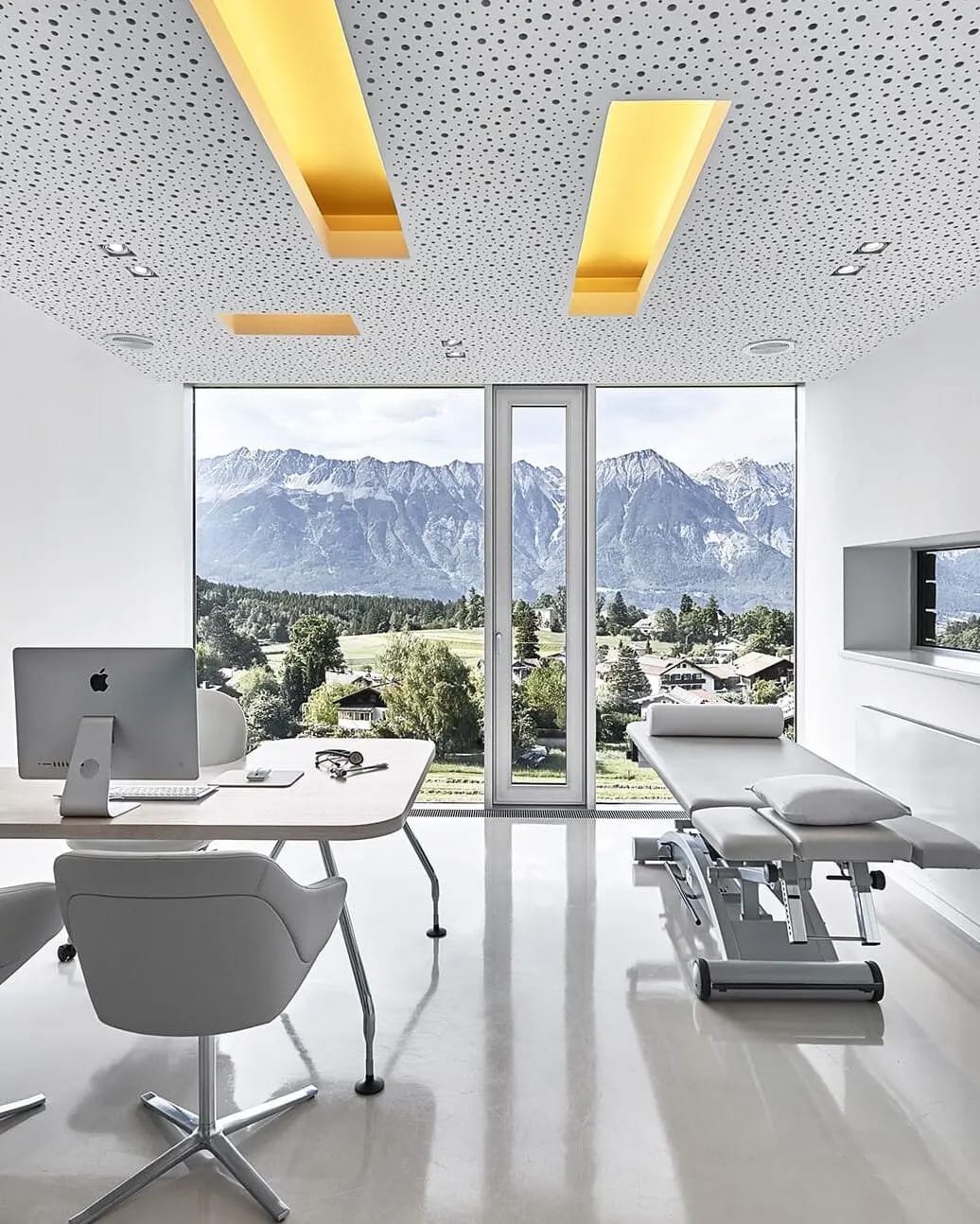
This has changed the role of the longevity clinic. The leading addresses are no longer spa extensions with medical add-ons. They function as clinical ecosystems where diagnostics, nutrition, movement, sleep, recovery and follow-up are planned as one sequence. Clinique La Prairie, Chenot, SHA, Lanserhof, VIVAMAYR and similar institutions represent a new medical-hospitality model: the guest arrives for a stay, but the work begins with biomarkers and continues after departure through reports, lifestyle plans and monitoring. The retreat becomes less a break from daily life than a controlled environment for recalibrating it.
The second trend is cellular health. Ageing is increasingly discussed through inflammation, mitochondrial decline, oxidative stress, senescent cells, stem-cell activity and impaired repair mechanisms. This is where regenerative medicine enters the conversation. Stem-cell protocols, exosome research, senolytics, mitochondrial support and autophagy-focused programmes are positioned as ways to address ageing at its smaller biological units. The language is compelling, but it requires caution. Some methods are already integrated into clinical practice; others remain early-stage, controversial or dependent on further human trials. The strongest programmes are the ones that separate medical evidence from trend vocabulary.
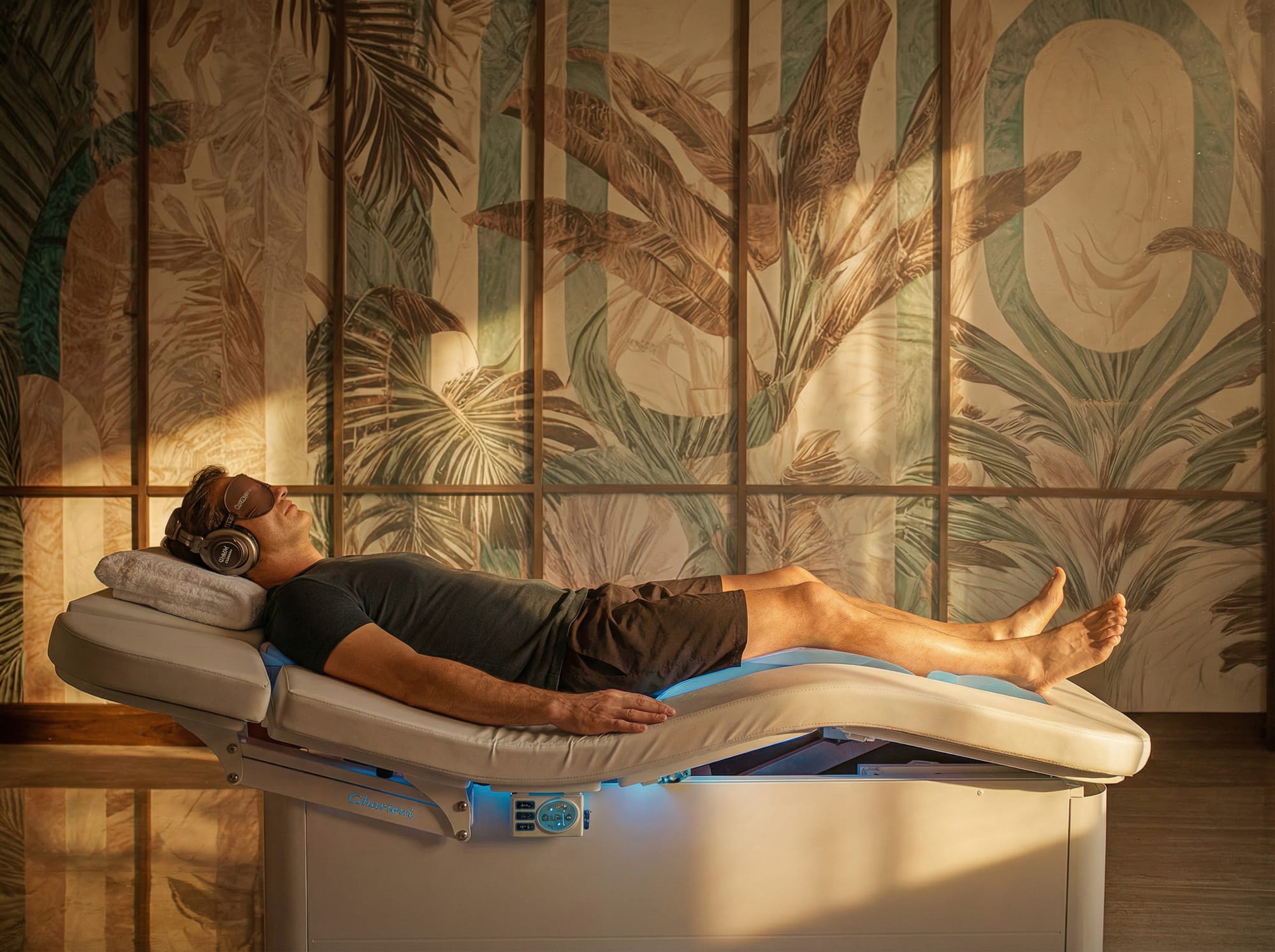
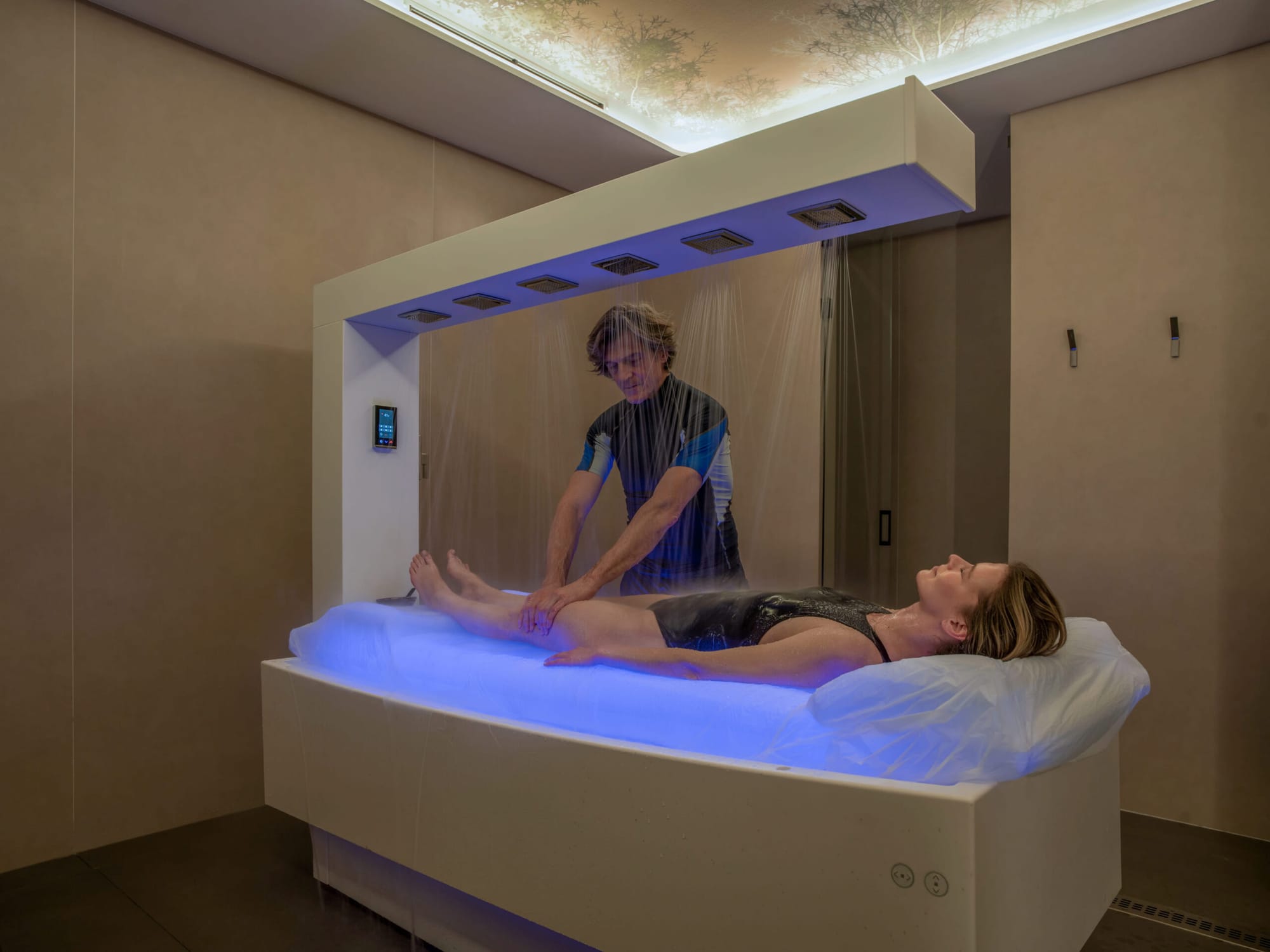
Technology is now central to this landscape. Hyperbaric oxygen chambers are used in some longevity settings to support oxygen delivery and recovery. Cryotherapy and cold chambers target inflammation and vascular response. Infrared saunas, steam, thermal body wraps and hydrotherapy are framed around circulation, lymphatic flow and heat-shock protein activation. Red light therapy and photobiomodulation focus on mitochondrial function, while intermittent hypoxia-hyperoxia therapy alternates oxygen levels to stimulate adaptation. Other formats — from neuro-wave stimulation to cold atmospheric plasma, ozone therapy and personalised IV infusions — are expanding the menu of bio-regulatory tools. The direction is clear: recovery is becoming measurable, technical and increasingly supervised.
At the same time, the most credible longevity programmes do not rely on devices alone. The microbiome has become one of the most important markers of long-term health. Gut diversity, short-chain fatty acid production, intestinal barrier function and chronic inflammation now sit at the centre of many longevity protocols. Nutrition is treated less as dieting and more as metabolic information: a way to influence insulin sensitivity, inflammation, cognition and immune resilience. The Mediterranean model remains influential not because it is fashionable, but because it links food quality, seasonal produce, plant diversity, movement, sunlight and social connection into one sustainable system.
Sleep and the nervous system form another major trend. Sleep is no longer presented as passive rest. It is described as active maintenance: hormonal regulation, immune support, memory consolidation and neurological repair. Clinics now screen for sleep apnoea, circadian disruption, chronic stress and autonomic imbalance. Breathwork, meditation, neurostimulation, sound therapies and structured recovery sessions are used not as decorative wellness elements, but as tools to reduce physiological overload. In this view, mental resilience becomes a biological factor. A person who cannot recover cannot age well.
Women’s longevity is also emerging as its own field. Women often live longer than men, but many spend more years with chronic illness, reduced bone density, cardiovascular risk, metabolic changes or cognitive concerns. The decline of estrogen after menopause affects far more than reproductive health; it has implications for the brain, heart, bones, sleep, mood and inflammatory regulation. This is pushing clinics toward more precise female longevity programmes, where hormonal transitions are treated as moments for prevention rather than as isolated symptoms.
Beauty is following the same logic. Longevity beauty is moving away from short-term correction and toward skin function over time. Major beauty groups are investing in skin longevity, regenerative aesthetics, supplements, nutrition, diagnostics and the idea of visible biological age. The more serious part of this trend looks beyond surface texture to inflammation, collagen synthesis, cellular repair, sleep and metabolic health. The weaker part risks turning longevity into another marketing claim. The distinction will matter.
The strongest longevity trend, therefore, is not a single therapy, machine or supplement. It is a new model of care: measured, preventive, personalised and sustained beyond the clinic. The future of longevity will belong to programmes that combine science with restraint — using technology where it has value, lifestyle where it has evidence, and diagnostics to decide the difference.