Don Carlos, Milan: Where Opera Meets the Table
– 4 min read

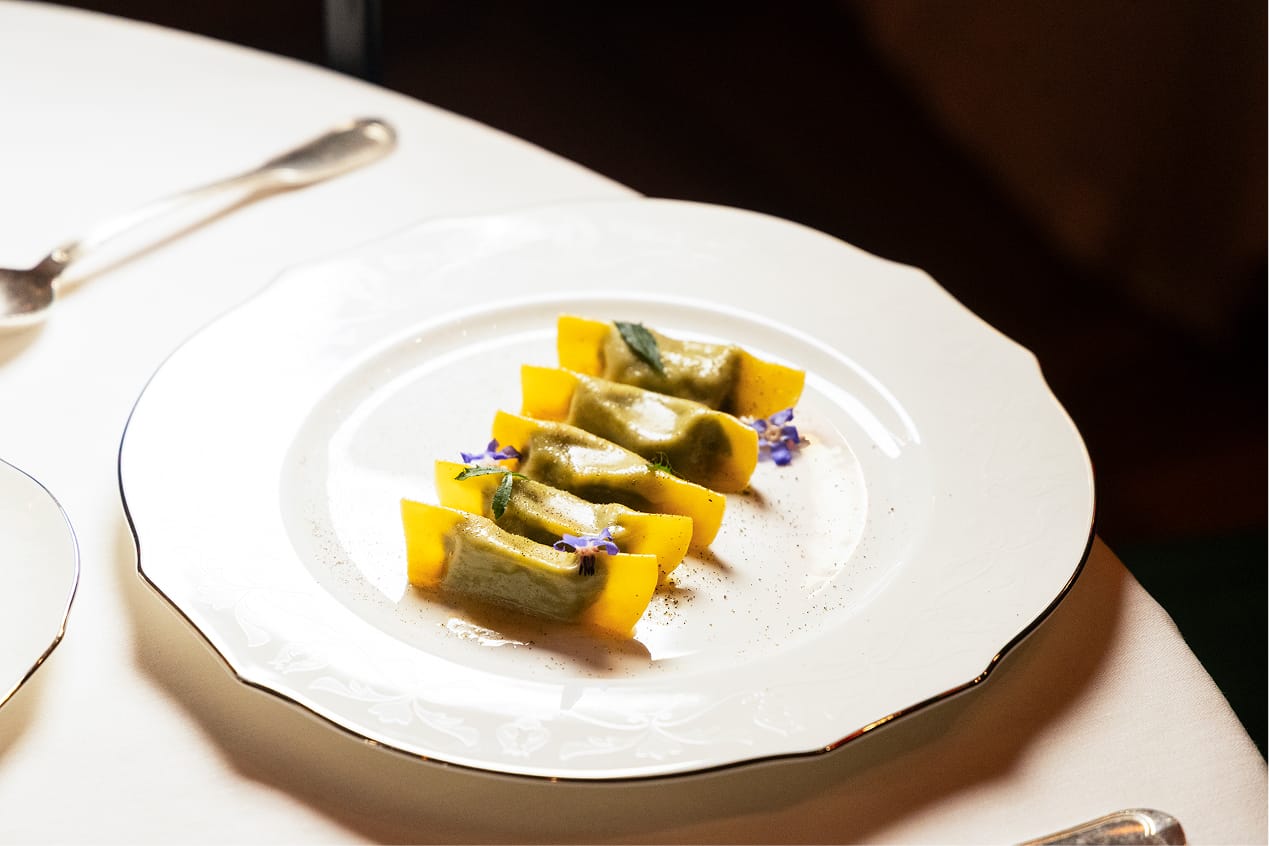
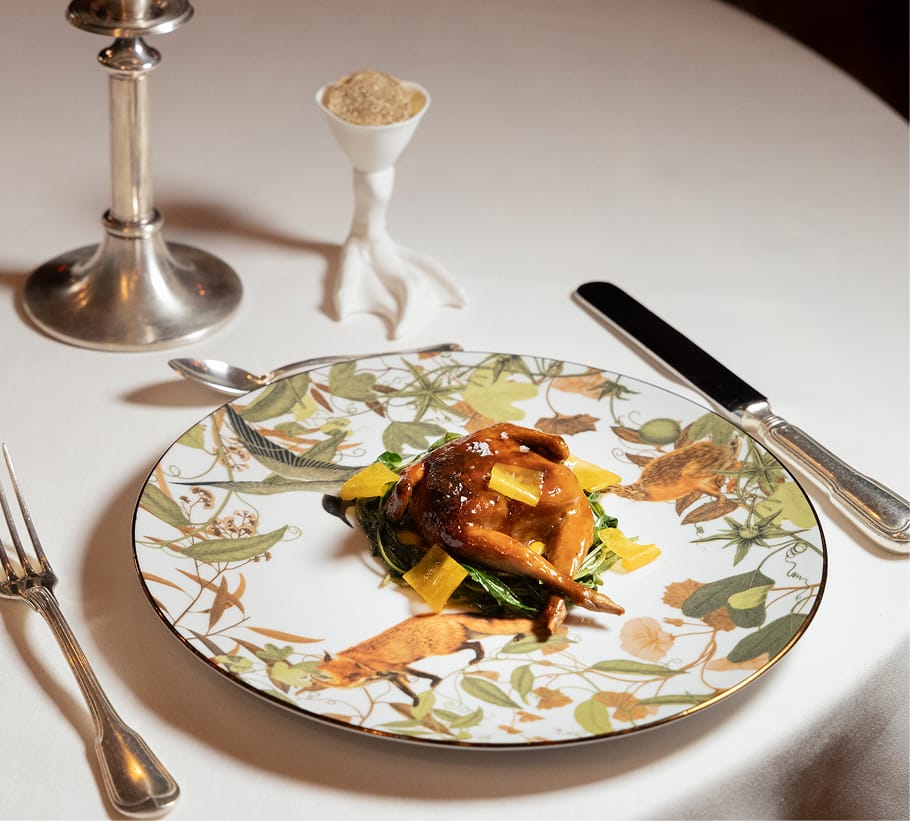
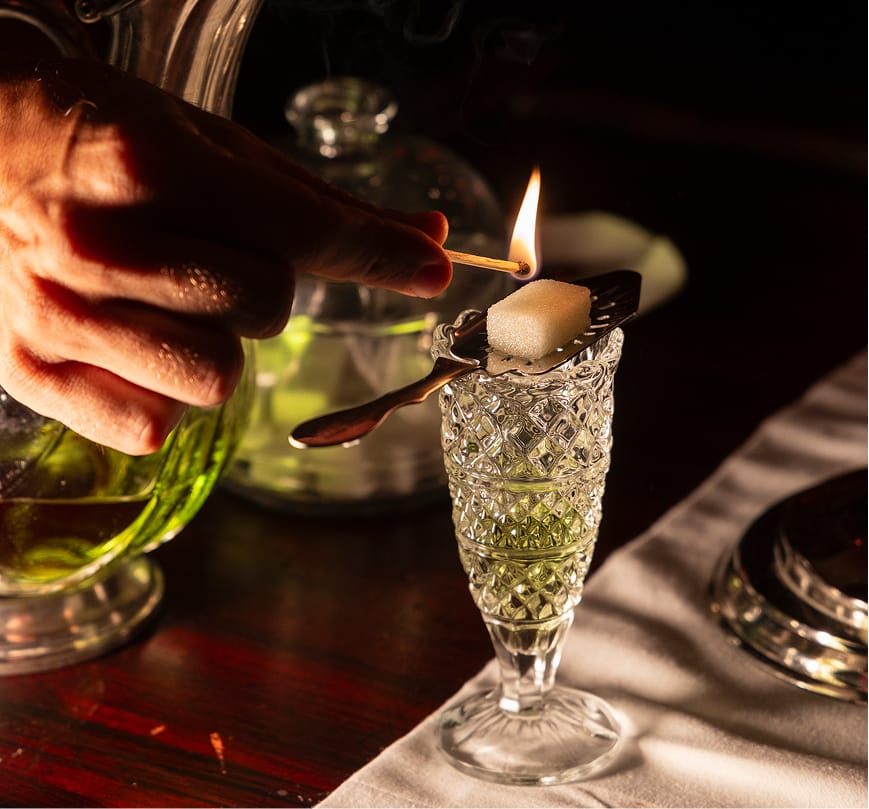
In a city where restaurants often compete through innovation, Don Carlos takes a different approach. Located inside the historic Grand Hotel et de Milan, just steps from Teatro alla Scala, the restaurant draws its identity from Milan’s cultural history rather than contemporary trends. Here, dining is shaped by opera, ritual, and a deep sense of place.
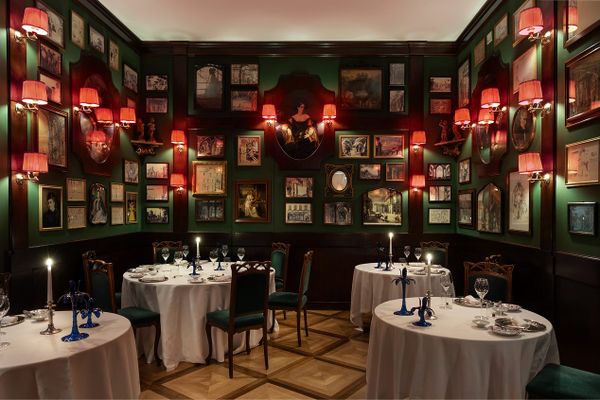
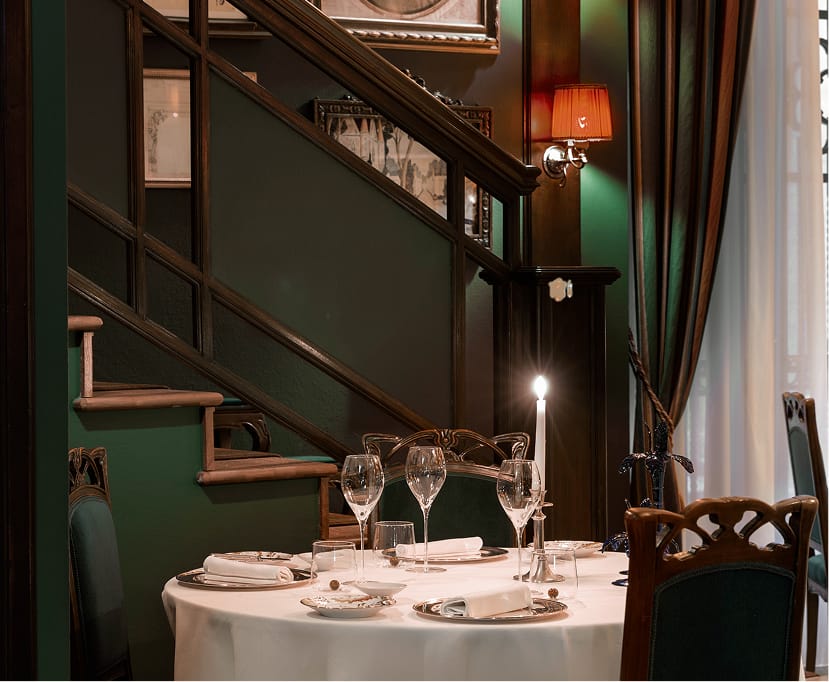
The connection begins before the first course arrives. The dining room, dressed in forest-green and deep red tones, references the atmosphere of La Scala through silver candelabras, theatrical artworks, and a setting that feels closer to a private salon than a traditional fine-dining restaurant. Named after Giuseppe Verdi’s opera Don Carlos, the restaurant sits within the very hotel where the composer spent the final decades of his life and where he composed Otello.
What distinguishes Don Carlos is its refusal to separate cuisine from performance.
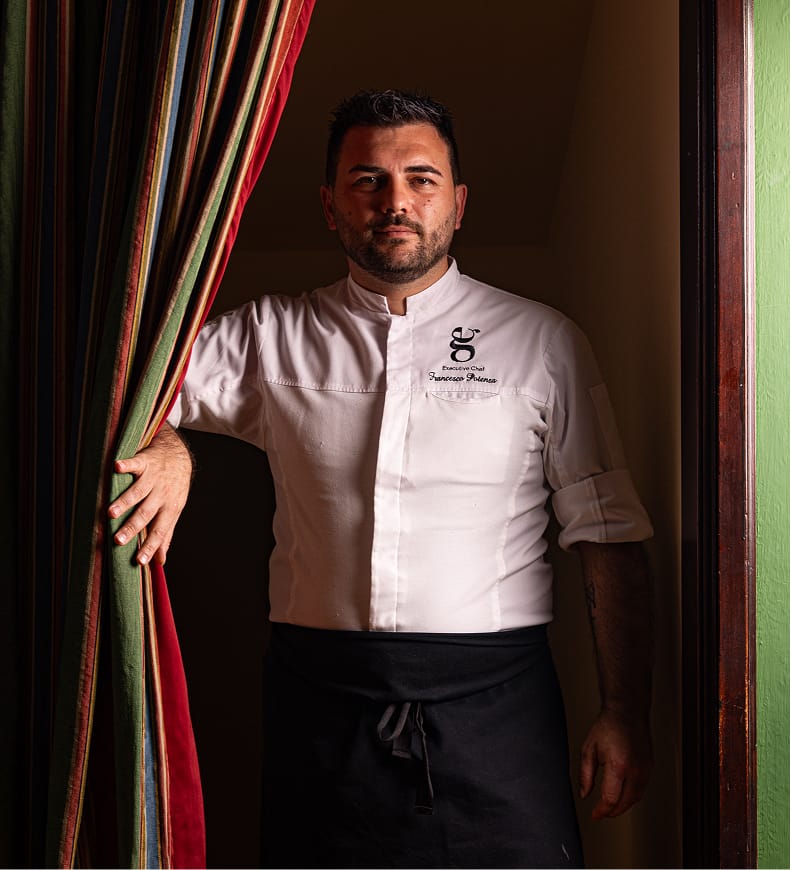
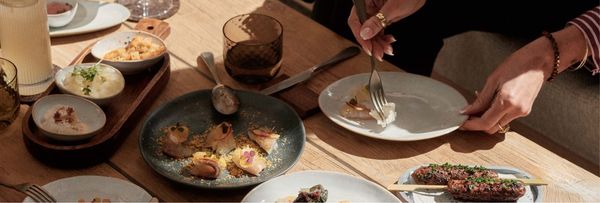
Executive Chef Francesco Potenza, working alongside two-Michelin-starred consulting chef Gennaro Esposito, has developed a menu rooted in Lombard and Milanese traditions while introducing a contemporary perspective. Rather than following the conventional progression of starter, pasta and main course, the menu is structured as a series of acts, reflecting the rhythm of an opera.
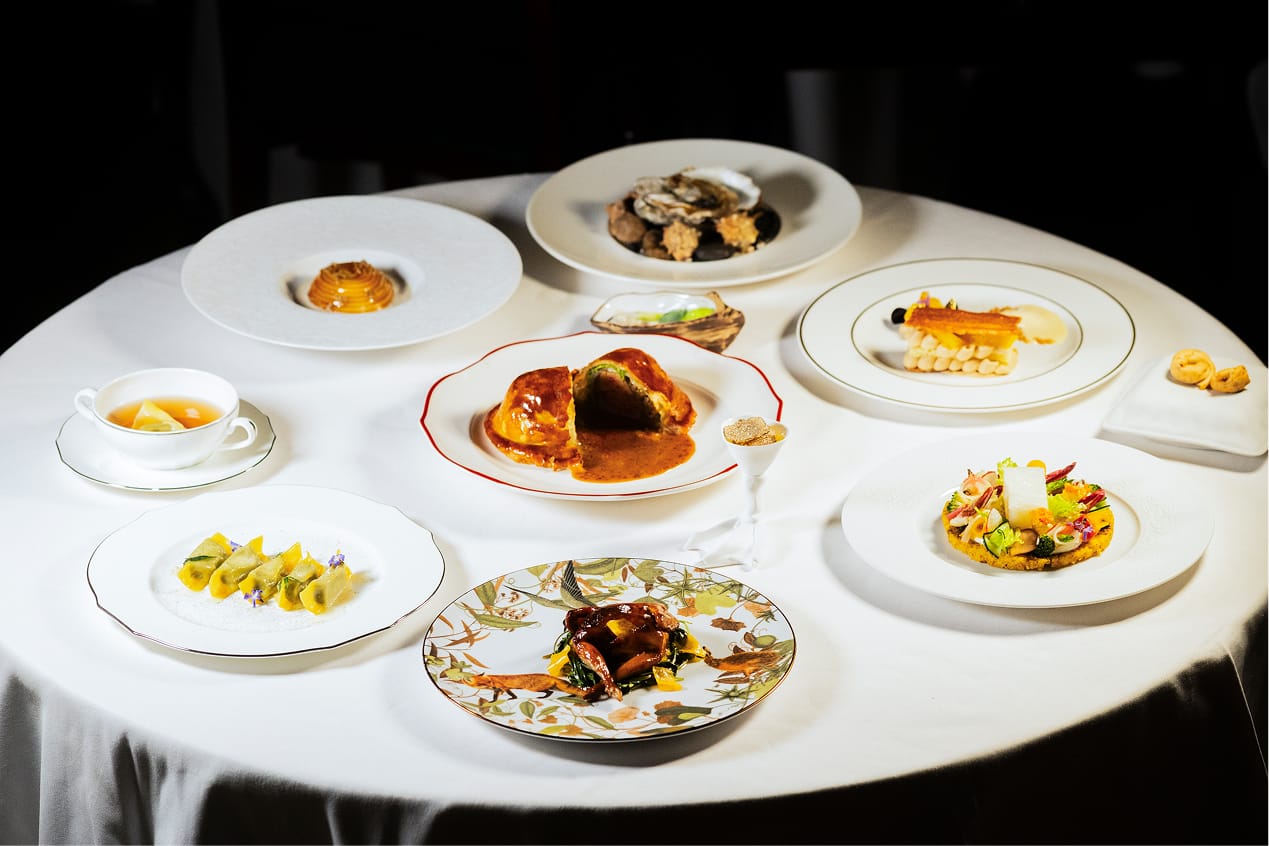
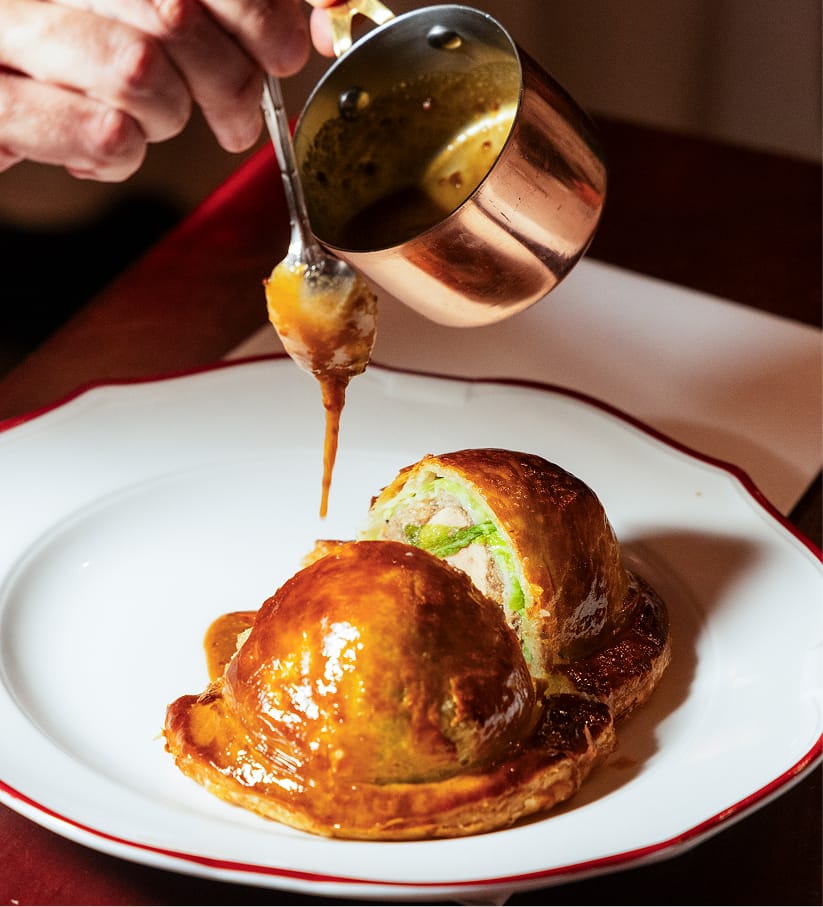
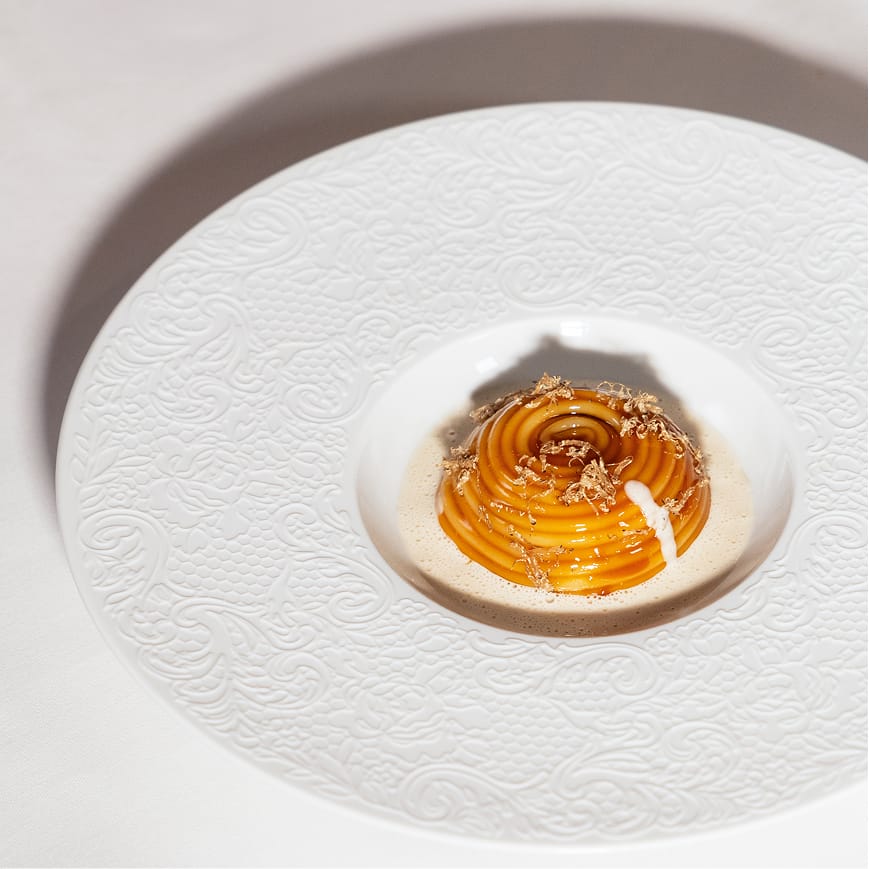
Many dishes arrive with tableside rituals that transform service into part of the experience. The restaurant’s celebrated risotto is presented in two acts, while the Caruso Spaghetti pays tribute to legendary tenor Enrico Caruso, another notable resident of the hotel. Served directly at the table, the dish is accompanied by a specially designed silver fork inspired by Caruso’s personal dining preferences.
Opera remains present throughout the meal. The “Elisir d’Amore” tasting experience references the world of Giuseppe Verdi and concludes with a theatrical spirit ritual involving chilled water flowing over ice, creating an atmospheric finale that connects gastronomy with stagecraft.
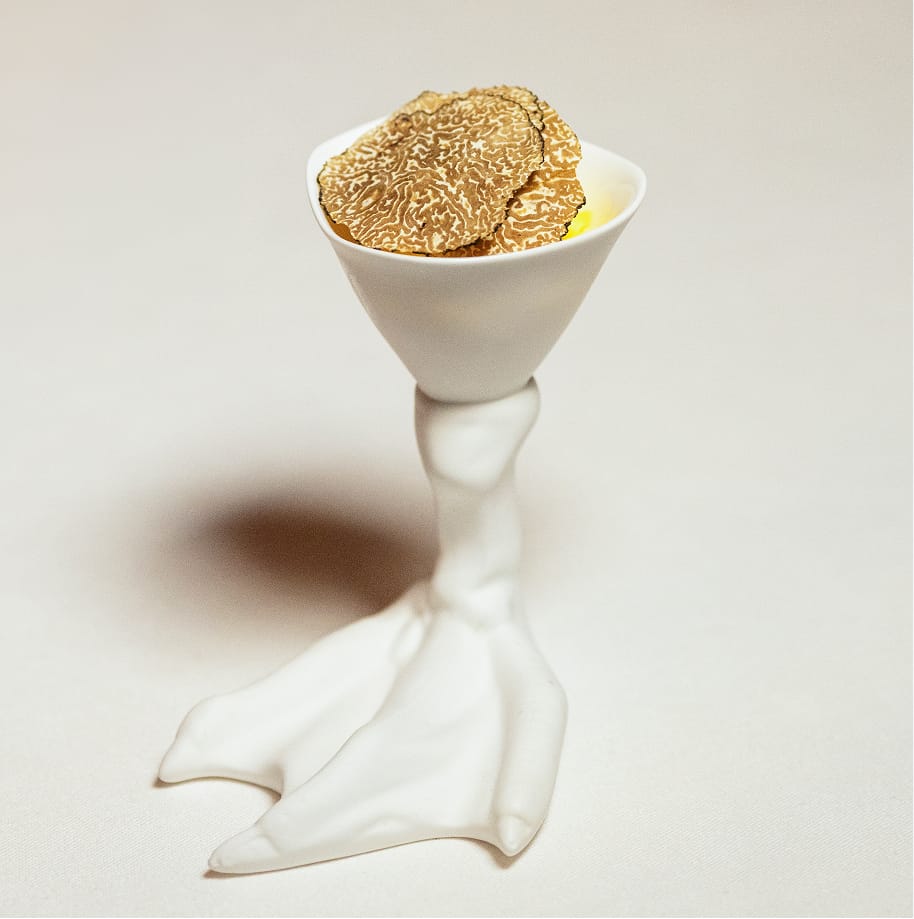
Yet Don Carlos is not merely a restaurant built around storytelling. The culinary foundation remains serious. Potenza’s cooking focuses on regional Italian ingredients and classic Milanese preparations interpreted with precision and restraint. The approach feels respectful of tradition without becoming nostalgic.
The final act belongs to the dessert trolley, one of the restaurant’s enduring signatures. Rather than selecting from a printed menu, guests choose directly from an elegant cart filled with pastries and sweets scented with vanilla, cocoa, cinnamon, hazelnut and citrus. It is a detail increasingly rare in contemporary dining and entirely in keeping with the restaurant’s sense of occasion.
Wine plays an equally important role. Beneath the restaurant lies a cellar housing hundreds of Italian and international labels, curated by maître and sommelier Davide De Benedetto. The setting is remarkable: part of the cellar incorporates visible remains of a third-century Roman defensive wall dating to the era of Emperor Maximian, offering a reminder that Milan’s history extends far beyond its fashion and business reputation.
In a city that often looks toward the future, Don Carlos reminds diners that the past can still provide one of the most compelling dining experiences in Milan.
Don Carlos would not be the same restaurant anywhere else. Its character is inseparable from Grand Hotel et de Milan, one of the city’s enduring cultural landmarks. Opened in 1863 and still operated by the Bertazzoni Mancino family, the hotel remains one of Milan’s most significant historic addresses. Its guest list includes Enrico Caruso, Rudolf Nureyev, Luchino Visconti and Riccardo Muti, reinforcing the connection between the property and the artistic life of the city. Giuseppe Verdi spent the last 27 years of his life here, composing Otello within these walls and transforming the hotel into a small but significant chapter of Italian cultural history. Recent renovations have introduced a new level of comfort while preserving the atmosphere that continues to attract guests seeking a more intimate alternative to Milan’s larger luxury hotels. In many ways, dinner at Don Carlos feels like an extension of the hotel itself: rooted in heritage, connected to the city, and quietly confident in its identity.