Château Cheval Blanc: The Bordeaux Wine That Became a Collectors' Legend
– 5 min read

From an unconventional nineteenth-century vineyard to one of Bordeaux's most sought-after wines, Château Cheval Blanc has built its reputation on Cabernet Franc, historic vintages and a distinctive sense of place.
In 1947, an unusually hot summer in Bordeaux produced a wine that would become one of the most discussed vintages in the history of French winemaking. Château Cheval Blanc 1947 was extraordinarily rich, concentrated and unlike the more restrained wines normally associated with Saint-Émilion.
Decades later, bottles from that harvest remain highly sought after by collectors. Yet the story of Cheval Blanc began almost a century earlier, with an ambitious family and an unconventional decision about which grapes to plant.
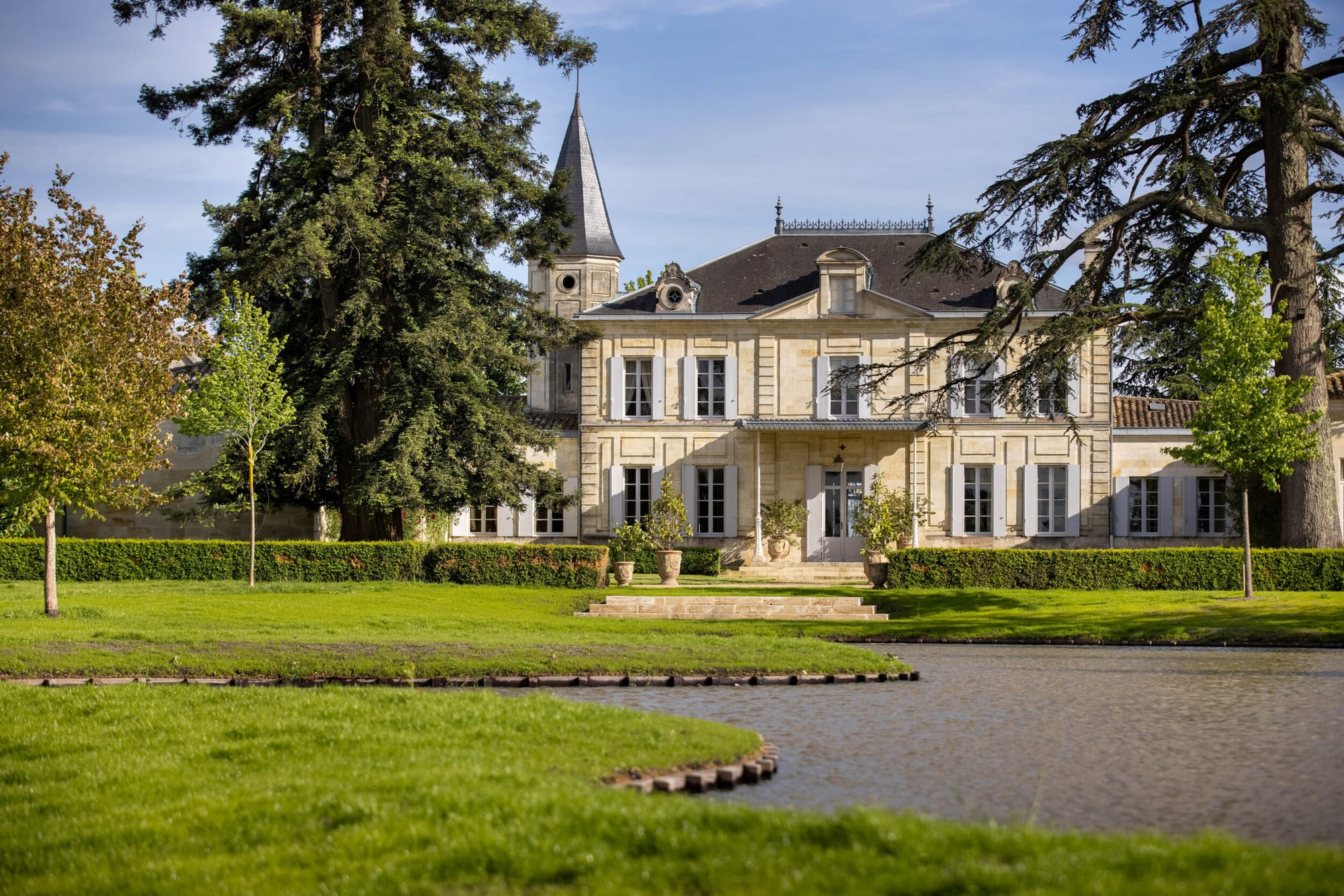
The estate's modern history began in 1832, when Jean-Jacques Ducasse purchased the central part of what would eventually become Château Cheval Blanc. During the following decades, the family acquired neighbouring vineyard parcels from Château Figeac.
The decisive transformation came through Jean Laussac-Fourcaud, who married Ducasse's daughter Henriette.
During the 1860s, he replanted substantial parts of the estate with approximately equal proportions of Merlot and Cabernet Franc. At a time when Merlot was increasingly associated with Bordeaux's Right Bank, this was an unusually ambitious choice.
Cheval Blanc had already begun selling wine under its own name in 1852. International recognition followed with a medal at London's Universal Exhibition in 1862 and a gold medal in Paris in 1878.
The estate's rise continued through the twentieth century, establishing its reputation for wines combining aromatic complexity, concentration and longevity.
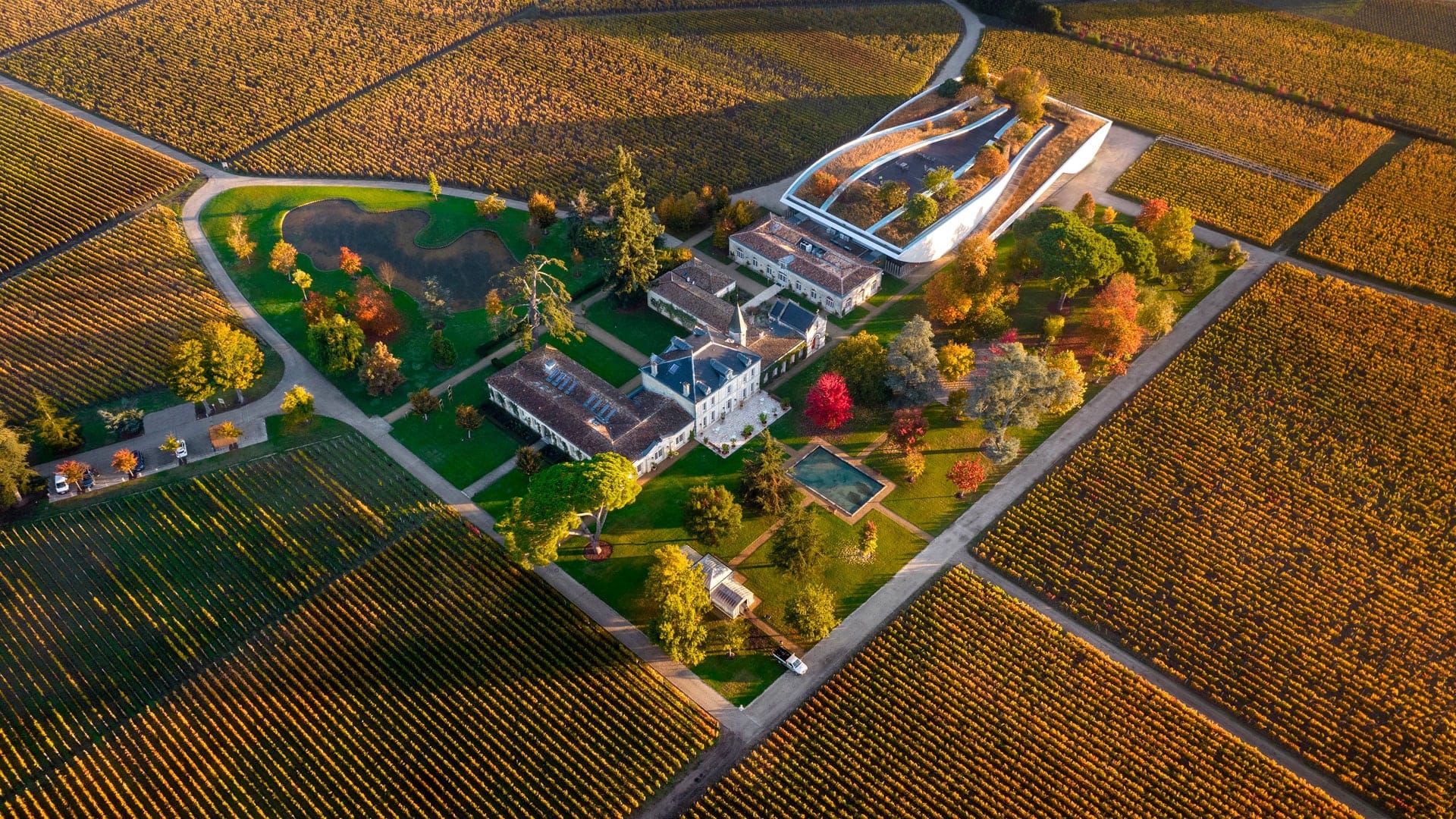
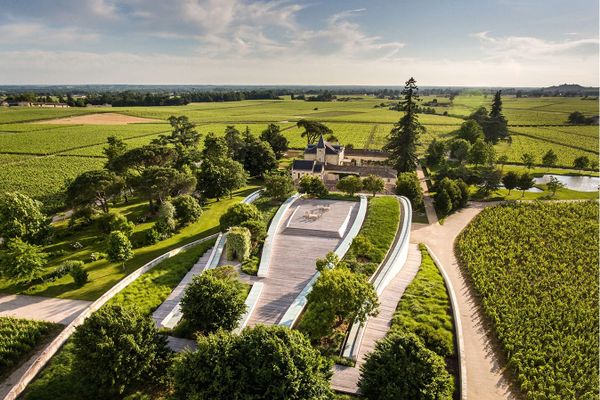
Cheval Blanc occupies a distinctive position near the border between Saint-Émilion and Pomerol.
Its approximately 39-hectare vineyard contains gravel, clay and sandy soils, each influencing the development of different grape varieties.
Cabernet Franc plays a particularly significant role. It contributes floral aromatics, freshness and structure, while Merlot provides fruit concentration and a rounded texture. The final proportions change according to the vintage.
The combination helps explain Cheval Blanc's reputation for producing wines that can remain expressive over many decades.
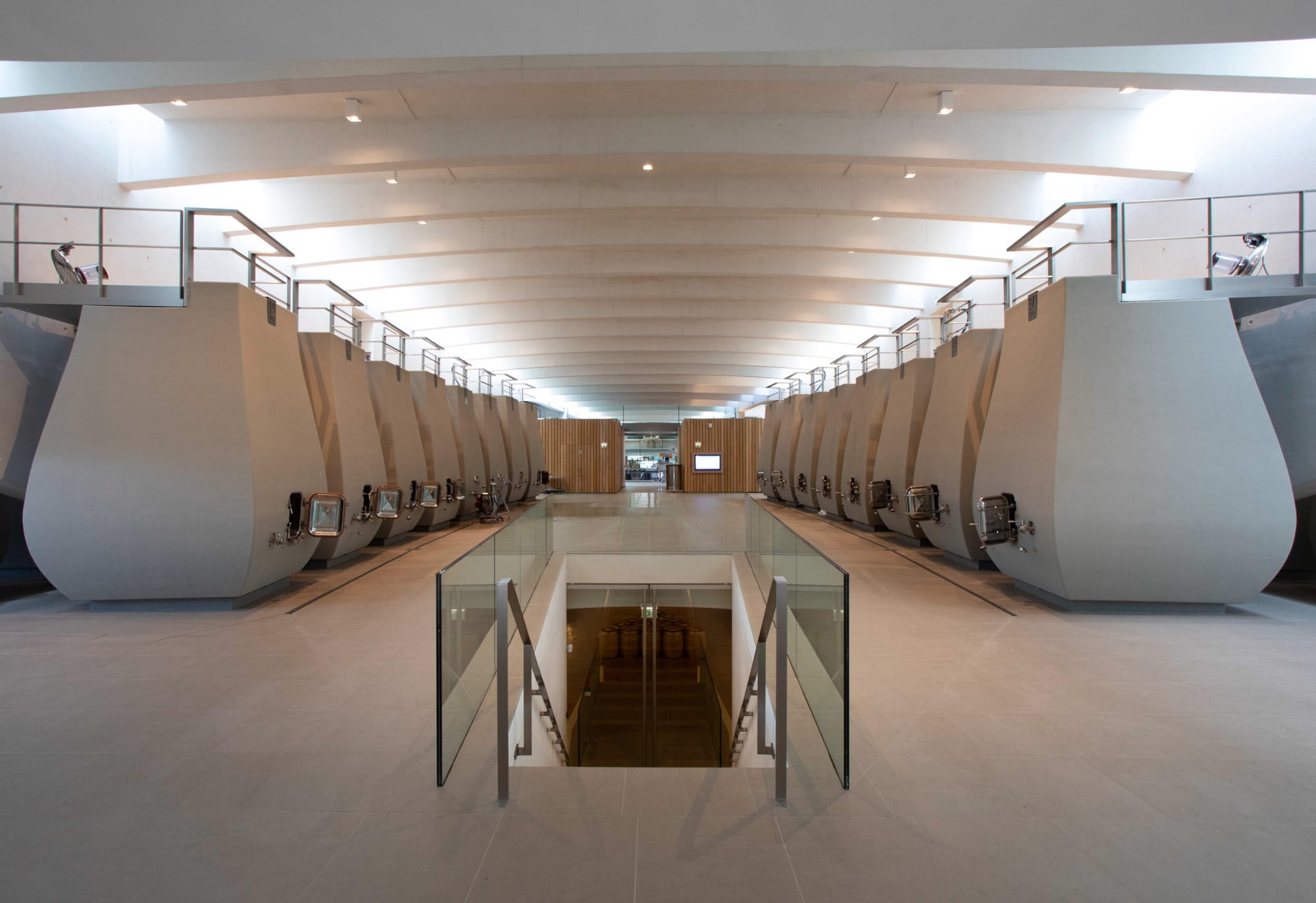
In 2011, the estate inaugurated a winery designed by French architect Christian de Portzamparc. Its curved concrete structure contains fermentation vats of varying capacities, enabling grapes from individual parcels to be vinified separately before blending.
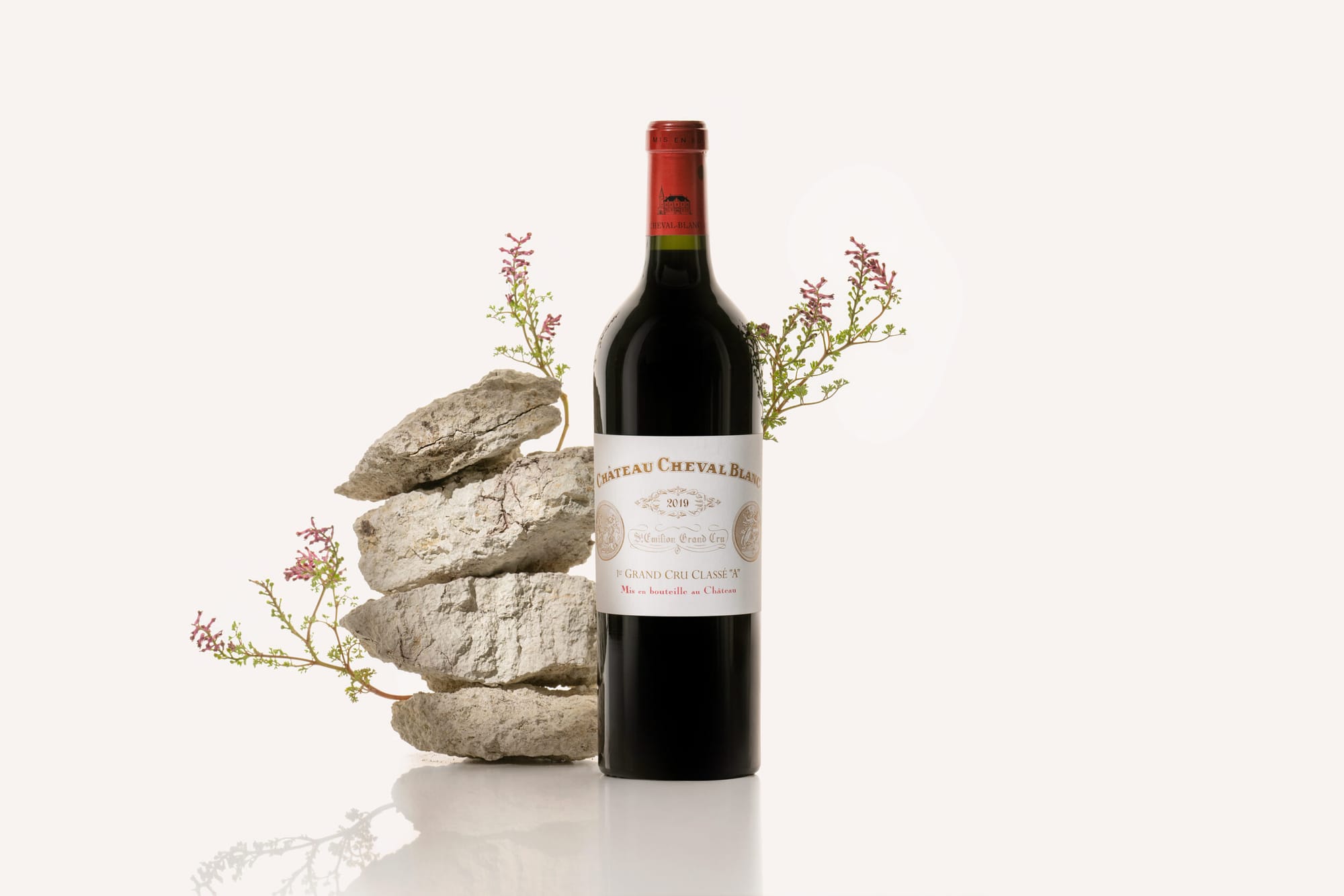
The estate's principal red wine is made predominantly from Cabernet Franc and Merlot, with the blend adjusted each year.
Its typical profile includes black cherry, blackberry, violet, fine spice and, with maturity, tobacco, cedar and earthy nuances.
Young vintages can be structured and reserved, while mature bottles develop a more complex aromatic profile.
The 1947 remains a historical reference, but other celebrated vintages include 1961, 1982, 1990, 2009 and 2015.
Food pairing: Roast lamb, duck breast, beef fillet or wild mushrooms. Mature vintages can be particularly interesting alongside truffles and delicately prepared game.

First produced in 1988, Le Petit Cheval is made from selected grapes grown on the estate.
It is generally more approachable in its youth than the Grand Vin, with supple tannins, fresh fruit and a comparatively open structure.
It is an introduction to Cheval Blanc's winemaking style without requiring the same extended cellar ageing.
Food pairing: Roast veal, herb-roasted chicken, duck confit or mushroom risotto.
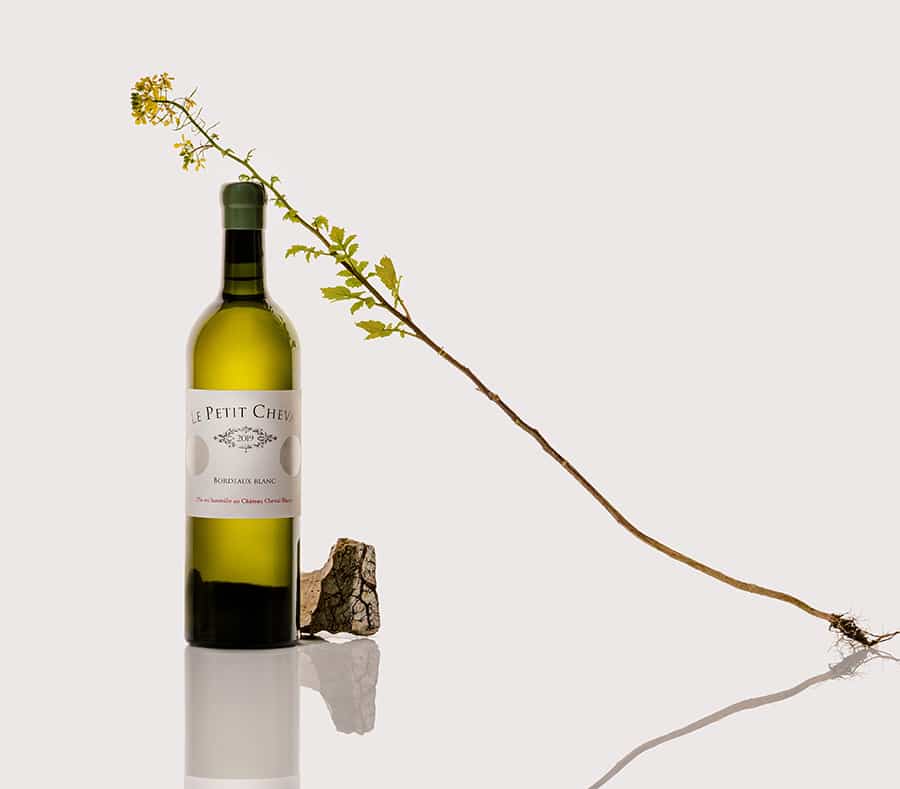
A less familiar part of the estate's production is Le Petit Cheval Blanc, a dry white Bordeaux wine made from Sauvignon Blanc and Sémillon.
Its origins lie in vineyard land acquired through Château La Tour du Pin in 2006. The resulting white wine adds a different dimension to the estate's portfolio, with citrus, orchard-fruit and subtle textured characteristics.
Food pairing: Turbot, Dover sole, scallops or lobster prepared with restrained seasoning.
For the red wines, approximately 16–18°C is a suitable serving range, although the estate itself recommends a slightly cooler 15–17°C.
Young, structured vintages generally benefit from decanting for at least one hour, allowing their tannins and aromas to develop. For bottles aged ten years or more, the château advises minimal decanting to preserve their delicate aromatic complexity. Older vintages should be handled carefully, particularly if sediment has formed.
A large Bordeaux glass, with a generous bowl and slightly narrowed rim, helps reveal the wine's layered aromas.
Château Cheval Blanc — The Grand Vin
The estate's flagship wine is particularly suited to dishes that complement its depth without overwhelming its aromatic character.
Roasted lamb with rosemary, duck breast with mushrooms, pigeon and beef fillet with a restrained red-wine reduction are classic choices. Mature vintages, with their developed notes of tobacco, forest floor and truffle, can pair particularly well with porcini mushrooms or black-truffle dishes.
Le Petit Cheval — The Second Wine
Generally more approachable in its youth, Le Petit Cheval works well with roasted veal, duck, grilled beef and mushroom risotto.
Its supple texture and fresh fruit make it appropriate for a less formal dinner, while retaining the character of the estate's winemaking.
Le Petit Cheval Blanc — The White Wine
Made from Sauvignon Blanc and Sémillon, the estate's white wine presents a different expression of its terroir.
Grilled sea bass, turbot, scallops and lobster are suitable pairings. Its acidity and texture can also complement poultry served with a light cream sauce. A serving temperature of approximately 10–12°C is a useful starting point.

The reputation of Château Cheval Blanc rests on more than its limited production or the prices achieved by historical vintages.
Its distinctive vineyard composition, particularly the importance of Cabernet Franc, creates a wine with an identifiable character. The balance between aromatic freshness, structure and ageing potential has made Cheval Blanc a reference point for collectors of Bordeaux.
The celebrated 1947 vintage remains among the most discussed wines of the twentieth century, while more recent vintages continue to attract international interest.
Yet the château's principal achievement is consistency of identity across changing growing conditions and generations of winemakers.
For collectors, the vintage, provenance and storage history remain essential considerations. For those opening a bottle at dinner, the most important decision is often simpler: choosing the right moment in the wine's development and serving it with a dish that respects its character.
Official website: chateau-cheval-blanc.com