South Africa’s most authentic and out-of-the-way destination
Discover Zululand from Ghost Mountain Inn, with wildlife reserves, Zulu heritage and Lake Jozini within reach of a country hotel in Mkuze.

– 5 min read

Discover Zululand from Ghost Mountain Inn, with wildlife reserves, Zulu heritage and Lake Jozini within reach of a country hotel in Mkuze.
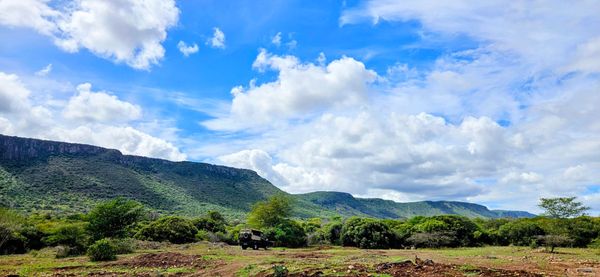
In a remote corner of South Africa, in a region that is largely unknown to international travellers, Ghost Mountain Inn offers a chance to discover a place where we bet your friends have never been.
And in an era of hyper-curated feeds, AI-generated hotel images, and mass tourism, Ghost Mountain Inn offers a place of proper discovery. This is a corner of Africa that remains largely uncurated by algorithms or worn smooth by Instagram crowds. This is travel rooted in lived history and genuine hospitality, and it's waiting for those who still value going somewhere truly authentic.
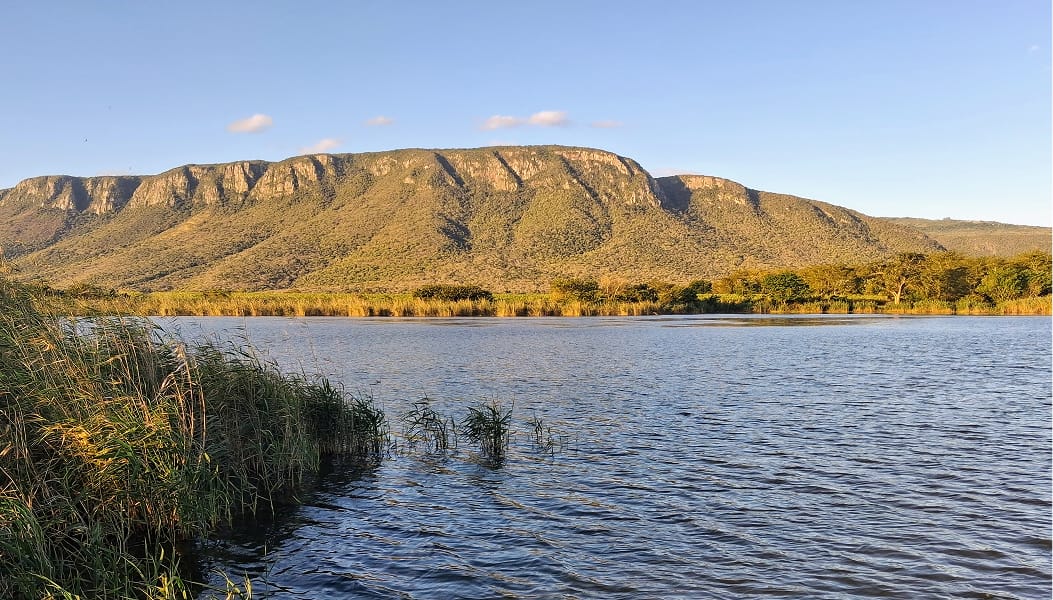
The Zulu Kingdom emerged in the early nineteenth century under King Shaka, becoming one of the most formidable political and military powers in southern Africa. And the region around Ghost Mountain, near the small town of Mkuze in KwaZulu-Natal, on the north-eastern corner of South Africa, bears traces of this past.
In 1884, the Battle of Tshaneni took place during a period of conflict involving King Dinuzulu and Zibhebhu, a powerful chief. Dinuzulu, seeking to secure his succession, allied with Boer mercenaries to defeat Zibhebhu in a fierce fight at the base of the Tshaneni peak. The battle resulted in heavy casualties, and the mountain became the final burial ground for several leaders.
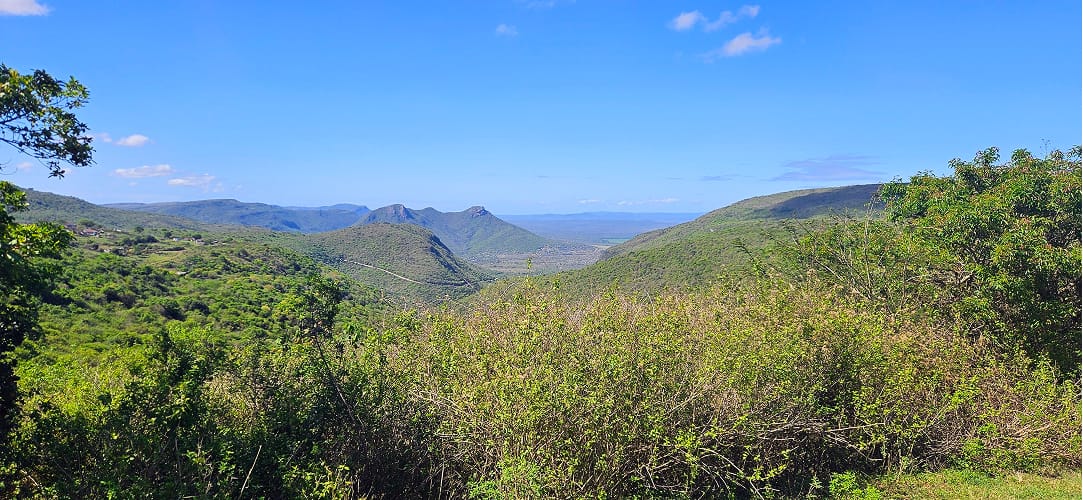
Today, the mountain gets its nickname from these local legends of spirits, strange sounds, and the resting places of Zulu royalty. Whether one approaches these stories as history, folklore, or some combination of the two, they give the area a quality that is difficult to capture in a photograph. The mountain is not merely a pretty backdrop. It is a presence. And a stay here gives one the opportunity to learn about this culture. Plus, some of southern Africa's most rewarding wildlife areas lie within reach.
South Africa is synonymous with safaris, but the country's wildlife experiences are pretty diverse. Ghost Mountain Inn provides access to several of these environments, with uMkhuze Game Reserve being the easiest to reach. Part of the iSimangaliso Wetland Park's wider conservation landscape, the reserve is known for its varied habitats, and while the Big Five are part of the attraction, they are not the only reason to visit here.
Spanning 40,000 hectares, uMkhuze encompasses sand forests, fever tree groves, and open savannah. It is widely regarded as a birdwatcher’s paradise, home to over 420 bird species alongside cheetahs, wild dogs, black and white rhinos, and herds of plains game. Guided open-vehicle game drives, walking safaris, and specialized hide photography offer the opportunity for a diverse range of sightings.
Beyond uMkhuze, Manyoni Private Game Reserve offers exclusive, low-density Big Five safaris, while the historic Hluhluwe-iMfolozi Park offers another celebrated safari experience, with opportunities to explore a landscape central to the conservation history of southern Africa's white rhino. Proclaimed in 1895, it is the oldest recognized nature reserve in Africa. In the mid-20th century, the park served as the cradle for 'Operation Rhino', a pioneering rescue effort led by conservationist Ian Player that saved the southern white rhinoceros from the brink of extinction, growing a tiny surviving population of under 100 individuals into thousands that repopulated reserves across the continent. Spanning 96,000 hectares of rolling hills, the park is also home to numerous other species, including African elephants, lions, leopards, buffalo, and over 340 different types of birds.
But unlike some other safari destinations, Ghost Mountain Inn offers a more layered introduction to South Africa. About an hour from the inn, Lake Jozini offers a change of scene.
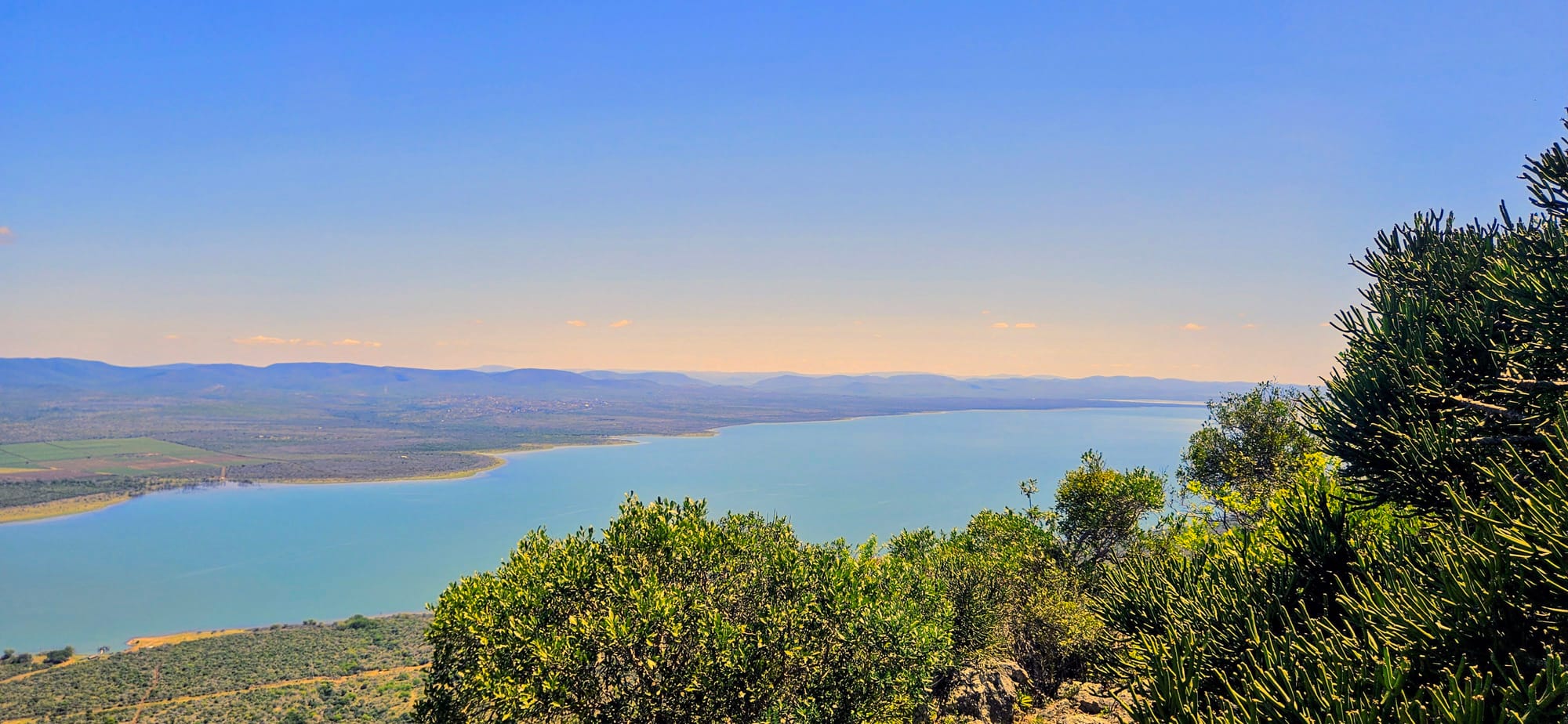
Also known as Pongolapoort Dam, this enormous body of water lies beneath the Lebombo Mountains. Here, fish eagles patrol the shoreline, crocodiles bask in the shallows, and hippos surface playing a game of peek-a-boo in the water. Lake Jozini is also known for tiger fishing, an activity that attracts anglers hoping to catch one of southern Africa's most spirited freshwater game fish.
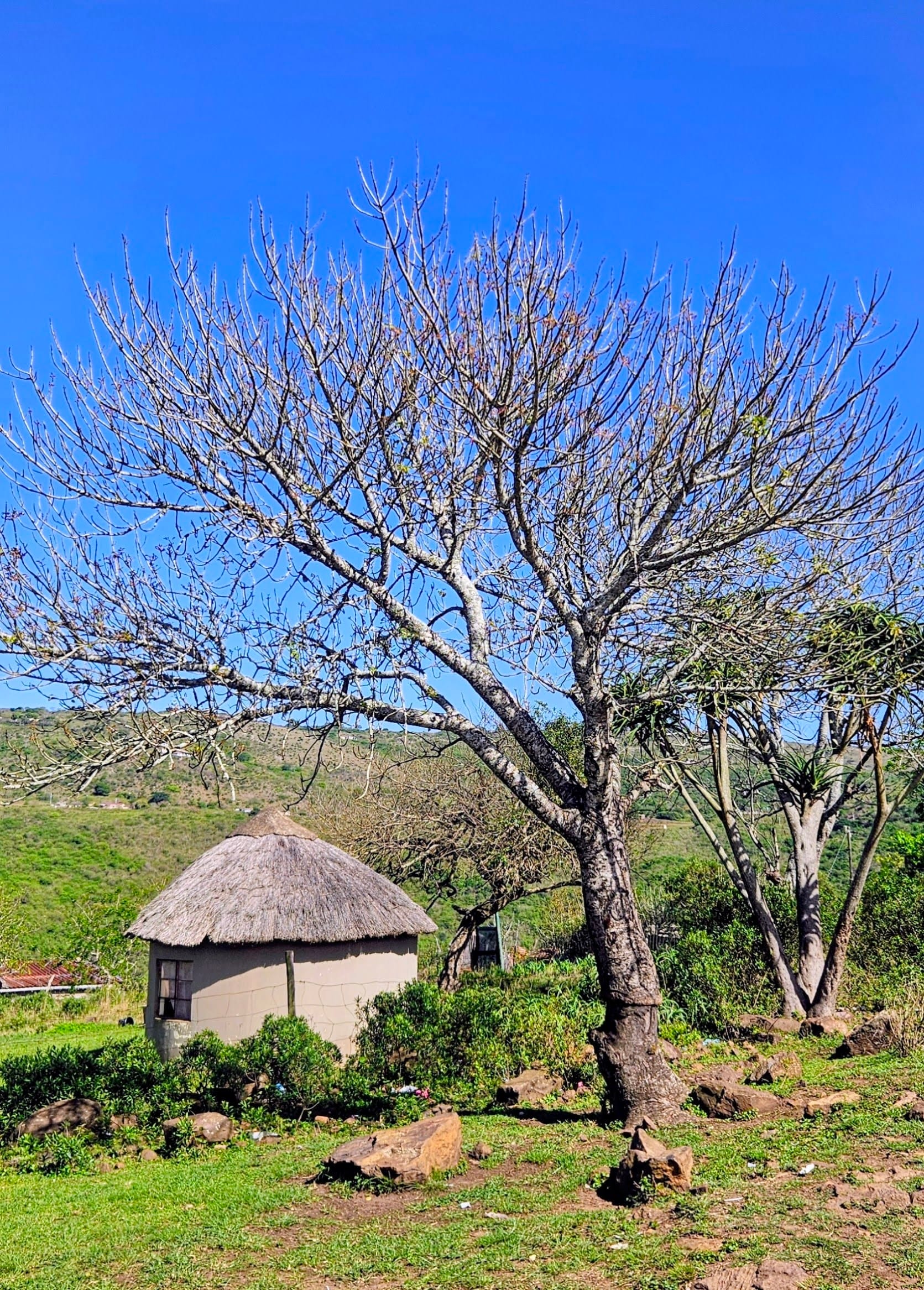
Ghost Mountain Inn can also arrange cultural experiences that introduce visitors to Zulu traditions and contemporary rural life, including visits to local homesteads. Accompanied by a local guide, step into an authentic rural homestead to meet local families, observe a traditional way of life, and learn about the daily routines, family structures, and medicinal plant practices. These interactive visits directly support community enterprise initiatives but also create a genuine exchange rather than reducing a community to a performance for visitors.
That said, there is no obligation to fill every morning or afternoon with another experience. A game drive can be followed by an unhurried lunch. A day on the lake can give way to a quiet evening at the inn. A morning spent learning about local history can be contrasted by an afternoon at the pool.
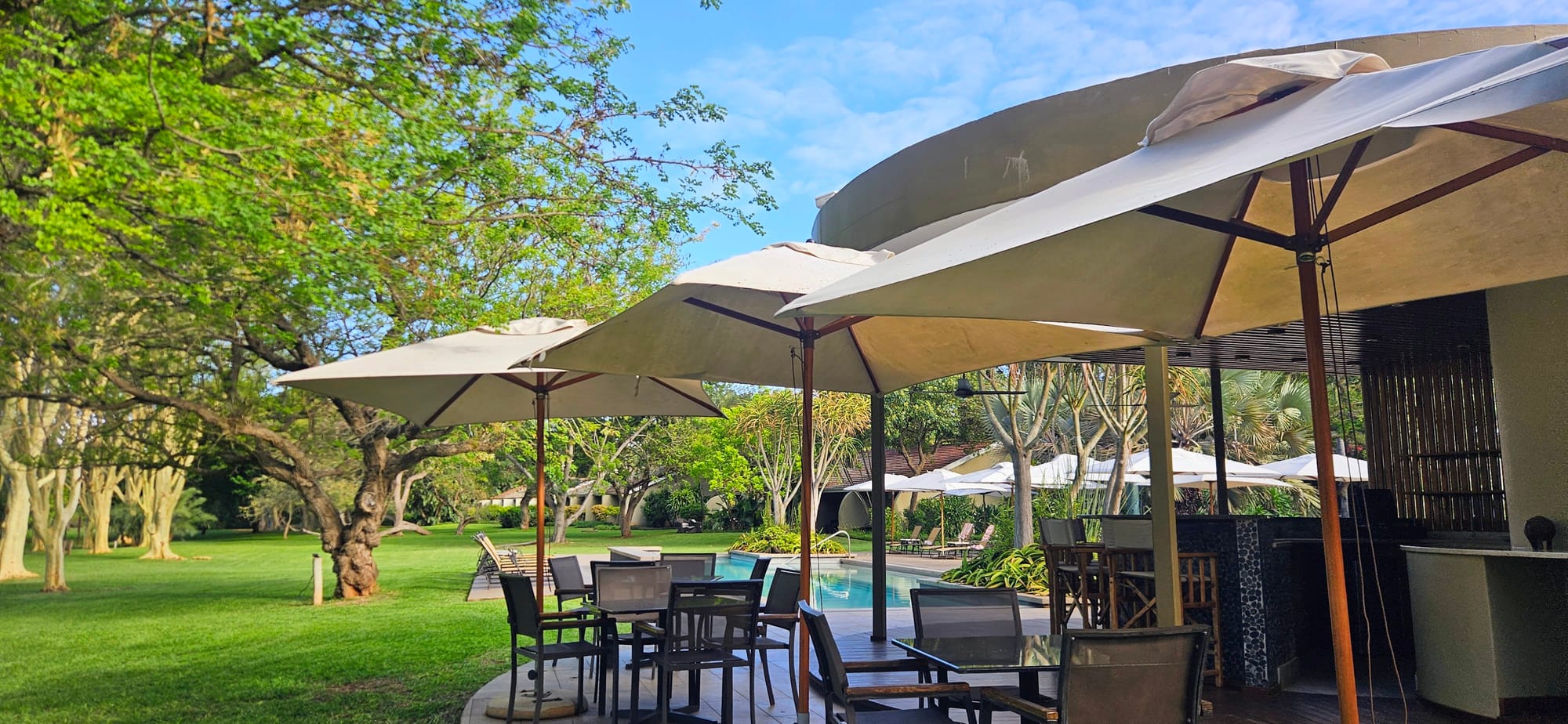
And after days spent exploring the game reserves, travelling to the lake and learning about the local culture, returning to Ghost Mountain Inn feels less like a home away from home. The gardens, pool, restaurant and spa provide the comforts expected of a well-established country hotel, while the mountain remains a constant presence beyond the grounds.
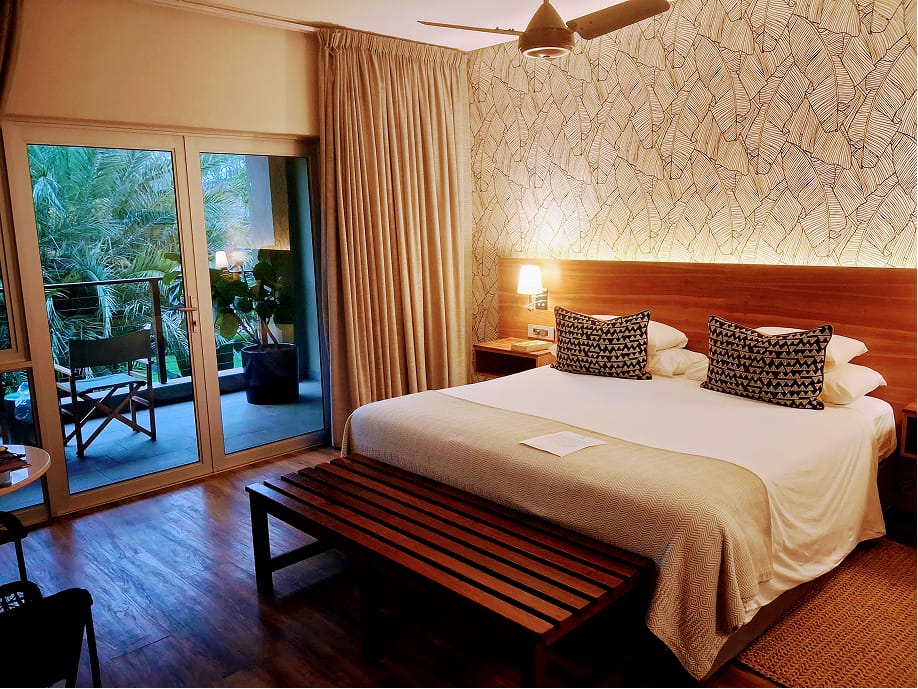
Accommodation ranges from garden-facing rooms to extensive suites featuring private verandas, outdoor showers, and huge free-standing tubs. Property grounds feature sub-tropical garden pathways, two outdoor swimming pools, a lake jetty, and a quiet spa offering treatments inspired by native African botanicals. Diners can enjoy regional Zulu-influenced dishes at the main restaurant, relax with a cocktail in the gardens, or sample a traditional braai (BBQ) beneath the stars.
The hotel has occupied this particular stretch of Zululand since 1962, and the land carries the memory of kings and battles, of communities whose histories predate the country's modern borders, and of a natural world that has continued on its own terms, largely indifferent to the people who have passed through it. More than six decades later, its appeal lies in offering a comfortable base from which to encounter something that simply can’t be replicated elsewhere.