Best Provence Rosé Wines: 7 Châteaux to Know
– 6 min read

From the vineyards of Saint-Tropez to the limestone hills of Bandol, Provence has established a distinctive identity for rosé wine. These seven estates illustrate the region's different approaches to producing it.
Few wines are as closely associated with a place as rosé is with Provence. Along the French Riviera, from Saint-Tropez to the coastal villages of the Var, pale pink wine has become a familiar presence on restaurant tables and summer terraces. Yet its history extends far beyond the contemporary culture of the Côte d’Azur.
Wine production in Provence dates back approximately 2,600 years, when Greek settlers introduced viticulture to the region. The light-coloured wines of antiquity were early predecessors of today's rosé, although modern production methods are considerably more precise.
Rosé is primarily made from red grape varieties, with the colour extracted from their skins. Unlike red wine, which undergoes extended contact between juice and skins, rosé is generally produced through direct pressing or a short period of maceration. In Provence, Grenache, Cinsault, Syrah and Mourvèdre are among the principal varieties.
The result is typically a dry wine with restrained red-fruit aromas, citrus freshness and, depending on its origin, floral, herbal or saline characteristics.

The Mediterranean climate is central to the region's winemaking. Long periods of sunshine encourage grape ripening, while the Mistral wind helps dry vineyard canopies after rainfall. Coastal breezes, variations in altitude and soils ranging from limestone to schist contribute to considerable differences between estates.
Provence is also much larger than the French Riviera itself. Some important vineyards stand directly above the Mediterranean, while others occupy inland valleys and hillsides, producing wines with different levels of concentration, acidity and structure.
The international popularity of Provence rosé developed through a combination of technical improvements, its dry and approachable style, and its association with Mediterranean dining. The widespread use of temperature-controlled fermentation helped establish the pale, fruit-focused profile now associated with the region.
According to the Conseil Interprofessionnel des Vins de Provence, the region produced approximately 134 million bottles of appellation rosé in 2024.
But serious Provence rosé extends well beyond uncomplicated summer drinking. Some estates produce wines designed for elaborate meals, while others use oak maturation or extended lees contact to develop texture and ageing potential.
La Motte, Côtes de Provence

Château d’Esclans played a central role in the international expansion of high-end Provence rosé under Sacha Lichine, who acquired the estate in 2006.
Its best-known wine, Whispering Angel, became an international commercial success. At the upper end of the range, however, Garrus represents a different ambition.
Produced predominantly from Grenache, including fruit from vines approaching a century in age, Garrus is fermented and matured in French oak barrels. Its richer texture, concentrated fruit and considerable ageing potential distinguish it from conventional rosé.
Signature wine: Garrus, with Les Clans another important oak-aged cuvée.
Taradeau, Côtes de Provence

The Ott family's winemaking history in Provence began in the late nineteenth century. Château de Selle, acquired by Marcel Ott in 1912, remains one of its defining vineyards.
Situated on stony, limestone-influenced hillsides, the estate produces rosé primarily from Grenache, complemented by Cinsault, Syrah and Mourvèdre.
Château de Selle Rosé is noted for its citrus and white-flower aromas, mineral character and gently spiced finish. It has the structure to accompany seafood, poultry and Mediterranean vegetable dishes.
Signature wine: Château de Selle Rosé.
Gassin, Saint-Tropez Peninsula

Few wine producers are as closely associated with Saint-Tropez as Château Minuty. The estate's modern history dates to the 1930s, and its wines have become fixtures in the region's restaurants, hotels and beach establishments.
Minuty specialises in pale, dry rosés distinguished by controlled fruit expression and freshness.
Among its most ambitious cuvées is Minuty 281, made predominantly from Grenache with Syrah. It presents greater concentration and length than the estate's more accessible wines, while retaining the freshness expected of a coastal Provence rosé.
Signature wine: Minuty 281; Rose et Or is another estate selection worth knowing.
La Londe-les-Maures, Côtes de Provence

Château Sainte Marguerite belongs to the historic group of classified Côtes de Provence estates and has developed a substantial reputation for organic rosé production.
Its vineyards benefit from Mediterranean influences and soils containing siliceous clay, pebbles and quartz.
The estate's Fantastique Rosé blends Grenache, Cinsault and Rolle. Fermentation under controlled temperatures and maturation on fine lees produce a wine with freshness, texture and enough structure for a substantial meal.
The estate's wines are certified organic, with Fantastique also carrying vegan certification.
Signature wine: Fantastique Rosé.
La Cadière-d’Azur, Bandol

Bandol produces some of Provence's most structured rosé wines, and Château de Pibarnon is an important example.
Its terraced vineyards rise to approximately 300 metres above sea level, on limestone-rich slopes influenced by the Mediterranean.
Unlike many Grenache-led rosés from Côtes de Provence, Pibarnon's rosé relies principally on Mourvèdre, complemented by Cinsault. This combination contributes depth, savoury character and a firm structure.
Its wines are particularly suited to food, including grilled red mullet, lamb and dishes featuring Mediterranean herbs. They also reward more careful cellaring than many rosés intended for immediate consumption.
Signature wine: Château de Pibarnon Bandol Rosé.
Le Puy-Sainte-Réparade, near Aix-en-Provence

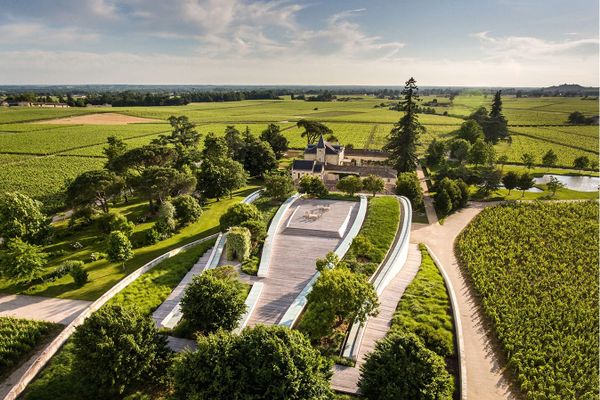
Château La Coste occupies a distinct position in the Provençal wine landscape through its combination of viticulture, contemporary architecture and an extensive collection of art installations.
The property includes architectural projects by Tadao Ando and Jean Nouvel, alongside works by internationally recognised artists.
Wine production is equally central to the estate. Its organic and biodynamic vineyards produce wines under the Coteaux d’Aix-en-Provence appellation.
Grand Vin Rosé, made from Grenache and Syrah, comes from selected higher-altitude parcels. It is a more substantial interpretation of rosé, with stone-fruit notes, savoury nuances and a persistent finish.
Signature wine: Grand Vin Rosé.
Bormes-les-Mimosas, Côtes de Provence

Château Léoube occupies a coastal estate where vineyards grow close to the Mediterranean on schist and clay soils.
Organic cultivation is a defining part of its agricultural approach. Sea breezes and cooler nights influence grape development, helping retain freshness despite the region's warm growing season.
Secret de Léoube combines Grenache, Cinsault and Cabernet Sauvignon. Direct pressing and temperature-controlled stainless-steel fermentation preserve its citrus and white-fruit profile.
The result is a dry rosé with a rounded texture and enough substance to accompany grilled fish, carpaccio or Mediterranean cuisine.
Signature wine: Secret de Léoube Rosé.
The quality of a Provence rosé cannot be judged by its pale colour or bottle design alone. The most important considerations are balance, fruit quality, texture, acidity and the way the wine develops after opening.
A lighter Grenache-Cinsault blend may be appropriate with seafood and vegetables, while a Mourvèdre-led Bandol can stand alongside richer dishes. Oak-matured rosés such as Garrus demonstrate another direction, where winemaking technique produces greater complexity and longevity.
For serving, most dry Provence rosés are well presented at approximately 8–12°C, although more structured, oak-aged wines can benefit from slightly warmer temperatures.
The seven estates in this selection illustrate why Provence rosé deserves consideration as a serious wine category, rather than simply a seasonal drink. Their wines differ substantially in origin, grape composition and intended drinking style.
It is precisely this diversity that makes Provence an important region for collectors, sommeliers and anyone interested in French wine beyond the familiar labels.