Best Safari Lodges in Africa for September and October
– 6 min read

September and October sit at an important transition point in the African safari calendar, but the reason to travel varies considerably by region.
In northern Tanzania, migration herds can still be moving through the northern Serengeti and Lamai. South Luangwa is approaching the end of its dry season, with increasingly concentrated wildlife around remaining water. In Zimbabwe, dry conditions make September and October useful months for game viewing, while northern Kenya provides a different landscape and wildlife mix from the better-known Mara.
The best safari lodges in Africa for these months are therefore not necessarily direct competitors. They represent different ecosystems and different ways of structuring a safari.
Here are seven properties from Tanzania, Kenya, Zambia, Zimbabwe and South Africa to consider for a September or October itinerary.
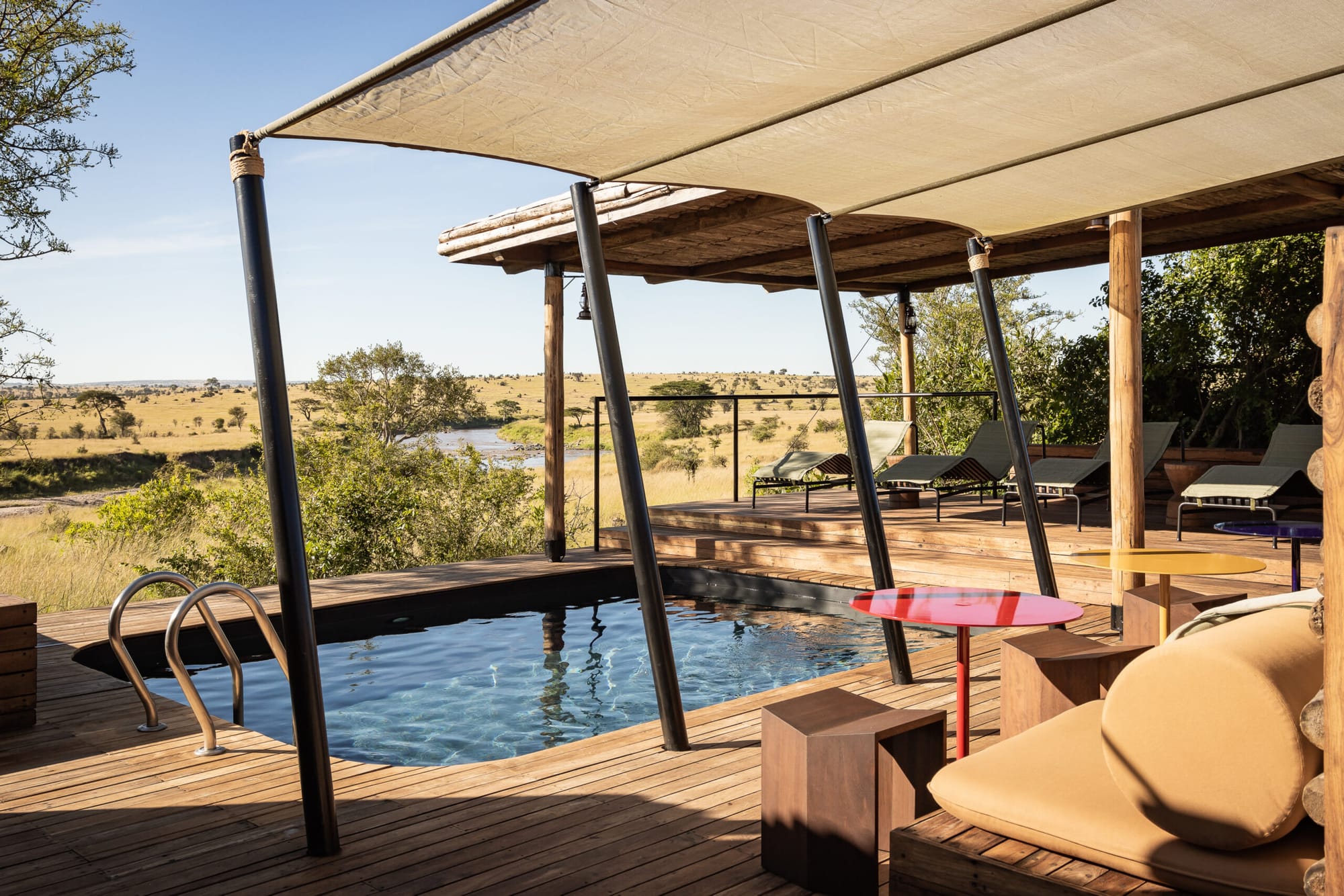
Singita Mara River Tented Camp occupies a bend of the Mara River in the Lamai Triangle, at the northern edge of the Serengeti. Its location is particularly relevant during migration season: Singita describes the camp as close to wildebeest crossing points, while its 2026 calendar treats 1 June to 31 October as peak season.
The camp is deliberately small, with four one-bedroom tents and two family tents. It operates off-grid using solar power, and children aged ten and over are accepted. Twice-daily game drives are included in the standard stay.
River crossings are wildlife events and cannot be scheduled or guaranteed. That distinction should be part of the decision to book Lamai rather than a promise made by the hotel.
Best for: travellers whose September or October safari is primarily motivated by the northern Serengeti and Great Migration.
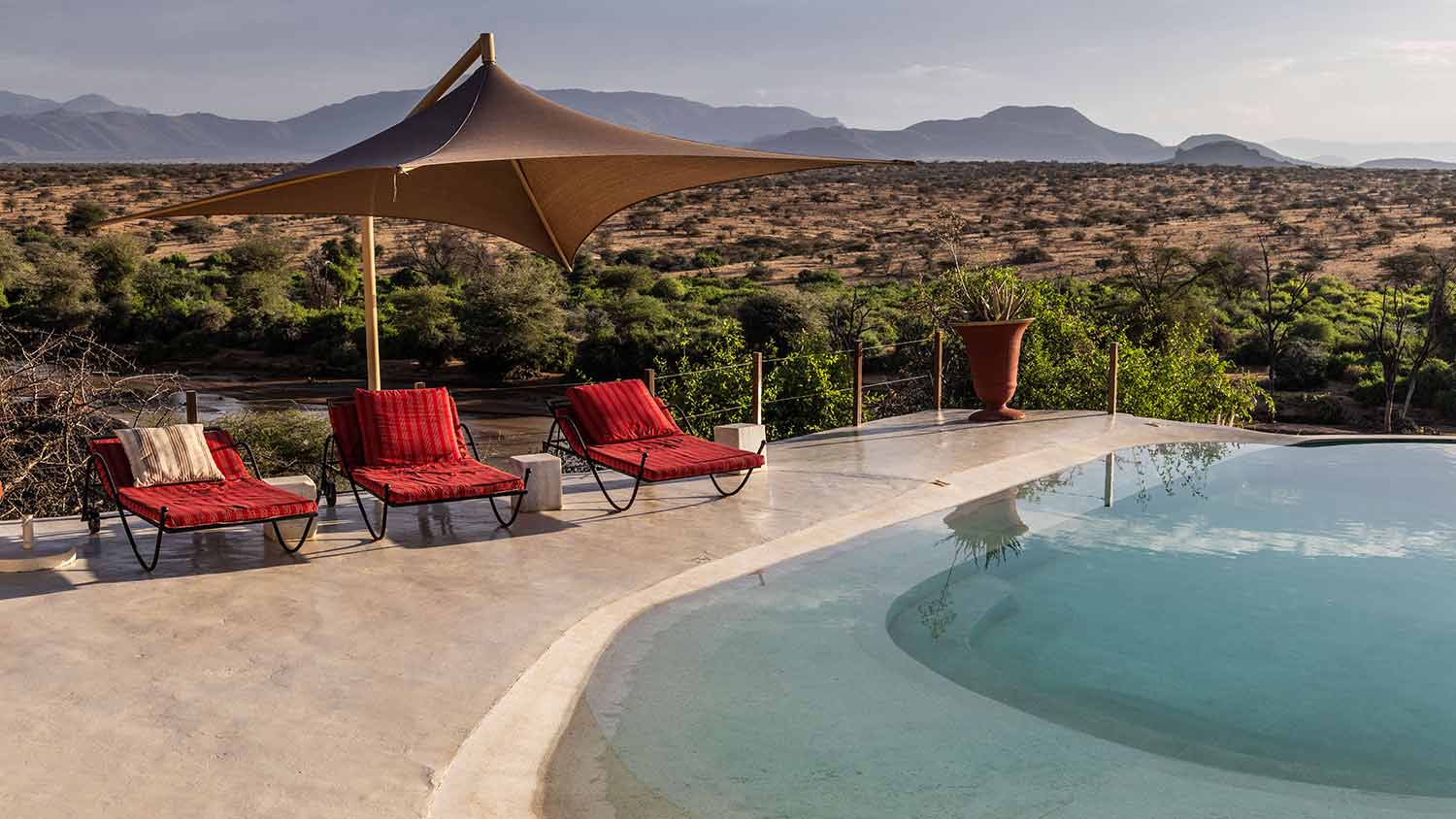
Sasaab provides a useful alternative for travellers who do not want their Kenyan safari to revolve entirely around the Maasai Mara. The lodge sits in Westgate Community Conservancy, outside Samburu National Reserve, overlooking the Ewaso Nyiro River. Its 11 canvas-sided rooms exceed 100 square metres and have private plunge pools.
The wildlife is also different. The region is associated with the so-called Samburu Special Five: Grevy's zebra, reticulated giraffe, Beisa oryx, gerenuk and Somali ostrich. Game drives can be combined with guided walks, camel walks and community visits.
September remains within the long dry season; October can begin to see the first short rains, which means the landscape and game-viewing conditions can change during the month.
Best for: northern Kenya, distinctive species and travellers interested in combining wildlife with Samburu cultural context.
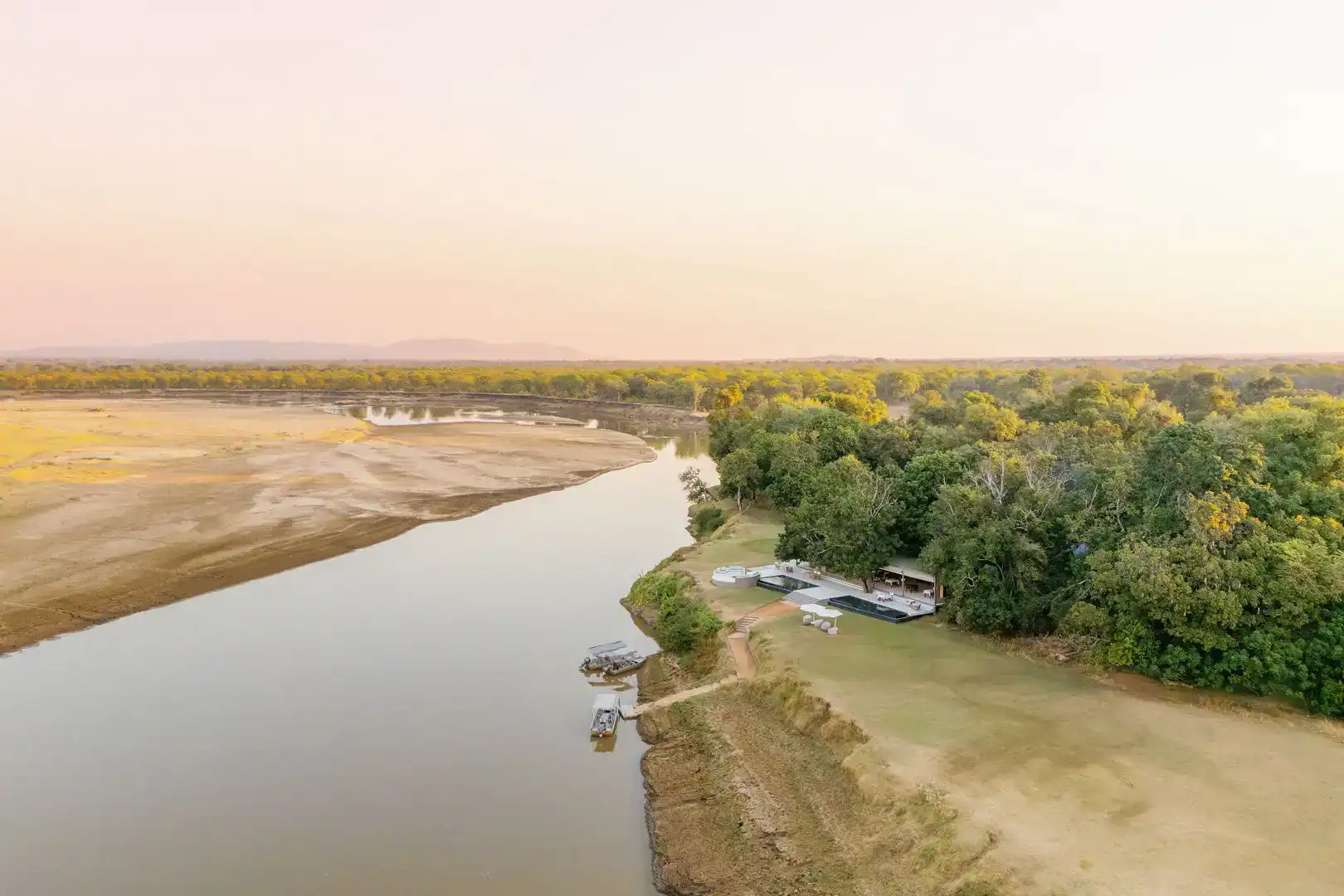
South Luangwa gives September and October a different seasonal logic. Time + Tide identifies September to November as the key period for carmine bee-eaters nesting in exposed riverbanks, while October and November bring increased predator activity as animals gather around diminishing water sources. Walking safaris remain an important part of the season.
Chinzombo is Time + Tide's year-round South Luangwa property, making it a useful base when seasonal bush camps are beginning to approach their November closures. Current Time + Tide information identifies July–October as its principal safari season.
October can be hot — substantially hotter than July or August — so it makes most sense for travellers who prioritise wildlife activity over mild daytime temperatures.
Best for: predator sightings, walking safari and the final phase of South Luangwa's dry season.
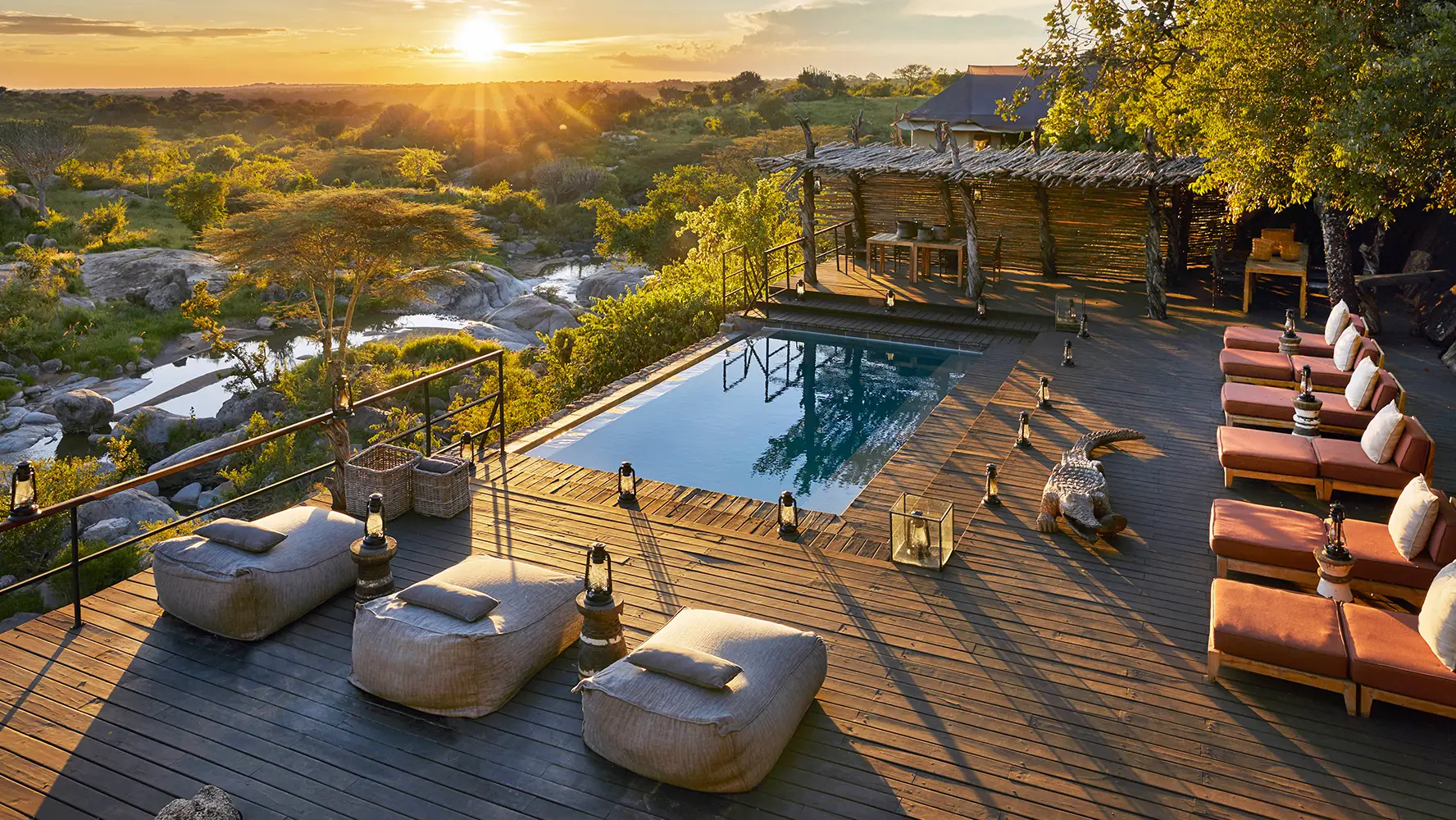
Mwiba provides a different Tanzanian proposition from Singita Mara River. Rather than choosing it primarily for northern migration crossings, travellers come for the flexibility of a privately managed area bordering the southern Serengeti ecosystem.
Current 2026 packages include a private safari vehicle and guide with each booking, unlimited game drives including night drives in privately managed areas, bush walks and cultural visits involving Hadzabe and Datoga communities. Its peak/migration rate period currently runs from 15 June through 31 October 2026.
That private-vehicle structure is important editorially. It allows the daily programme to be shaped around the guests rather than a shared game-drive timetable.
Best for: travellers prioritising private guiding, flexible safari schedules and access to the southern Serengeti cultural landscape.
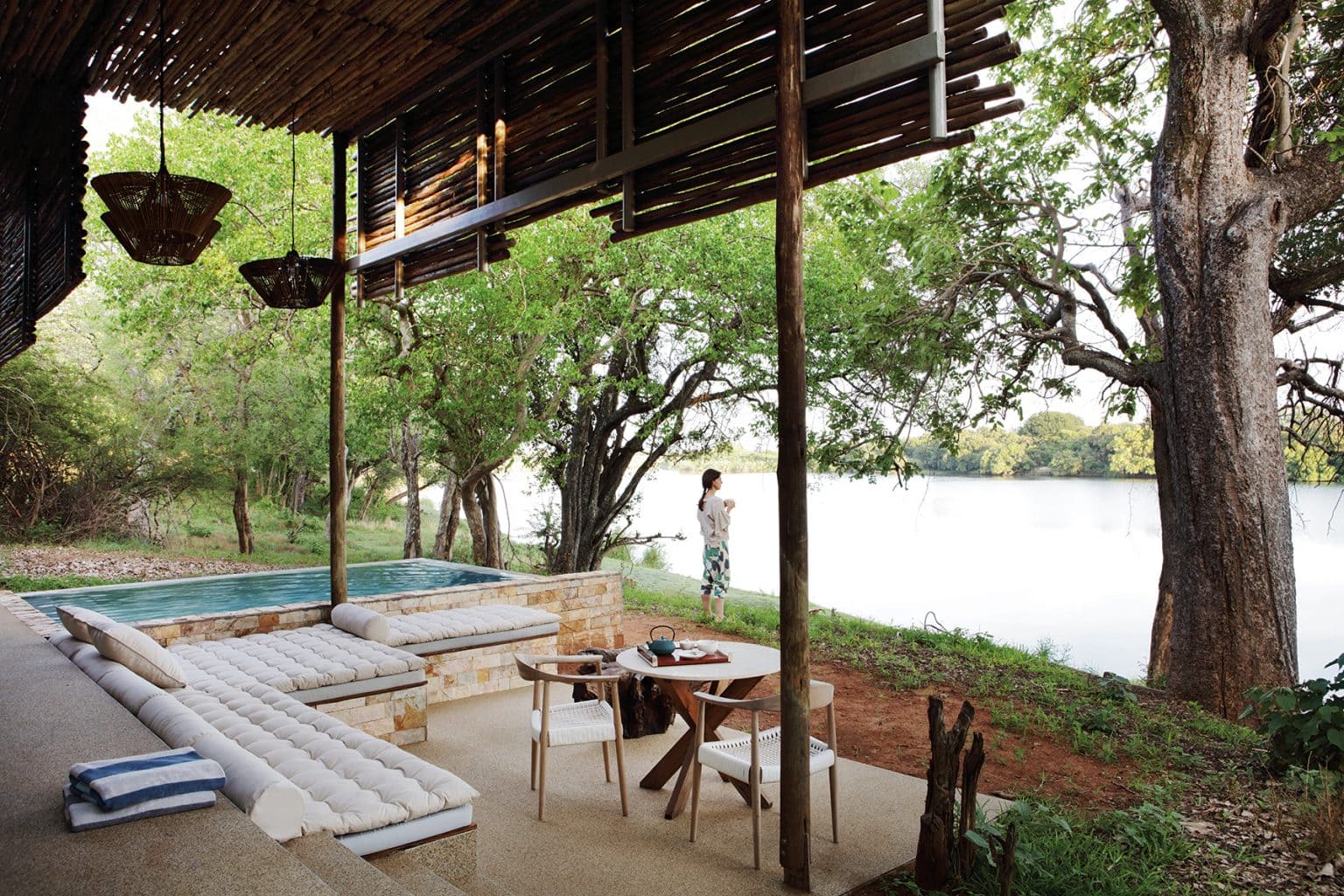
Matetsi works particularly well when the safari is part of a broader Zimbabwe itinerary. The lodge sits on nine miles of private Zambezi River frontage within the 136,000-acre Matetsi Private Game Reserve, around 40 kilometres upriver from Victoria Falls.
September and October fall within a useful wildlife window. Matetsi identifies July through November as its dry season, when large herds of elephant and buffalo become particularly visible. Activities include morning, evening and night drives, walking safaris and boat trips on the Zambezi.
The attraction is therefore not safari alone. A stay can combine wildlife, river time and Victoria Falls without changing hotels. The lodge also has dedicated family suites and a four-bedroom River House for private groups.
Best for: first-time Zimbabwe trips combining safari with Victoria Falls and the Zambezi.
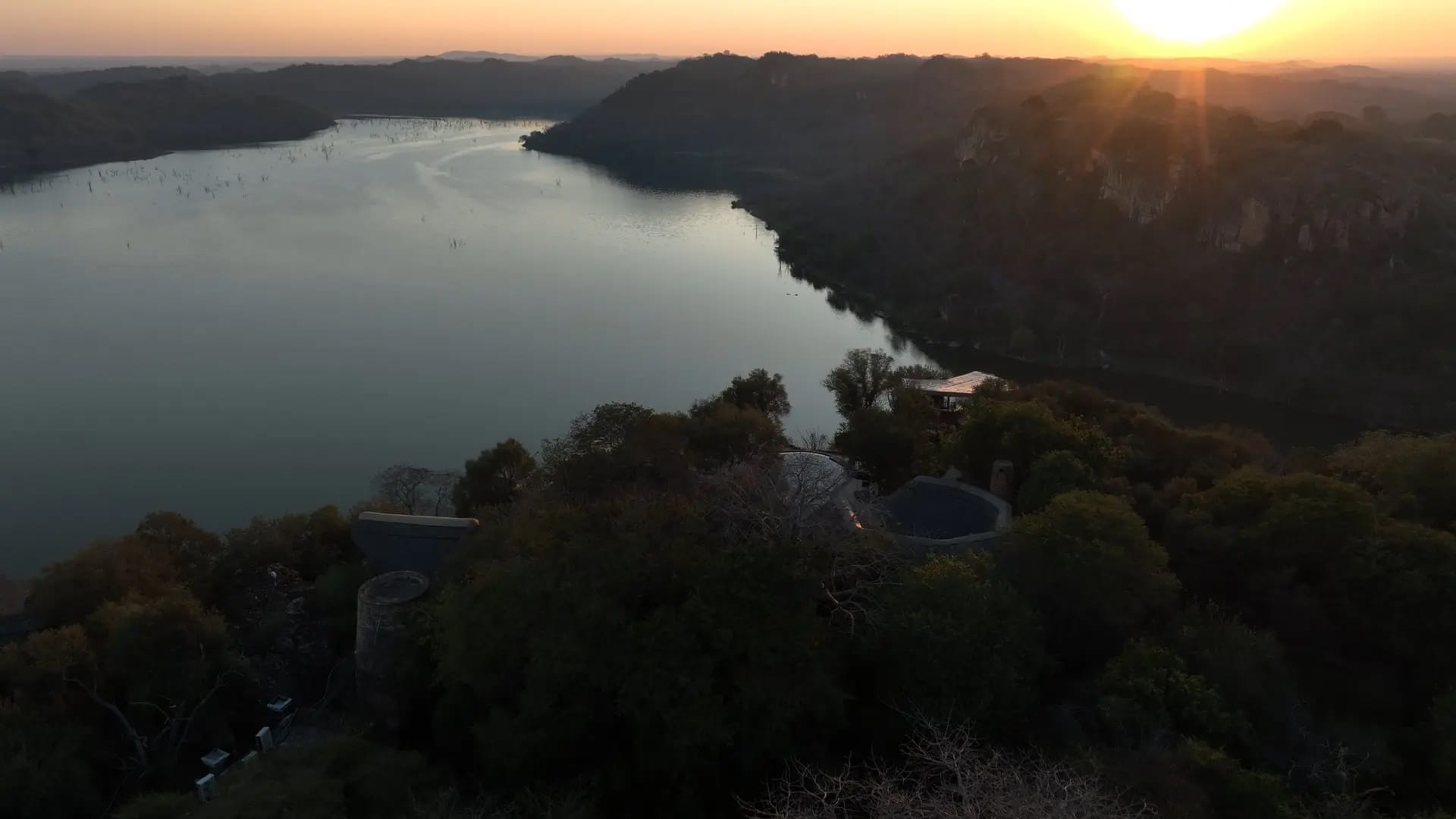
Singita Pamushana sits within the Malilangwe wildlife landscape in south-eastern Zimbabwe and is particularly relevant for travellers interested in conservation and rhino viewing rather than a migration-driven safari.
Seasonal wildlife reports illustrate why September can be productive: during particularly dry conditions, Singita has recorded groups of white and black rhinos congregating around permanent water sources, alongside elephants, buffalo and predators. These are observations rather than guarantees, but they explain the seasonal mechanics of the reserve.
The lodge operates through September and October; Singita's 2026 rates place 1 September–14 December in its off-peak period, despite the continued wildlife activity. Families are also well accommodated, with children of all ages accepted.
Best for: conservation-focused safari, rhino and travellers who prefer a private Zimbabwe reserve over a migration circuit.
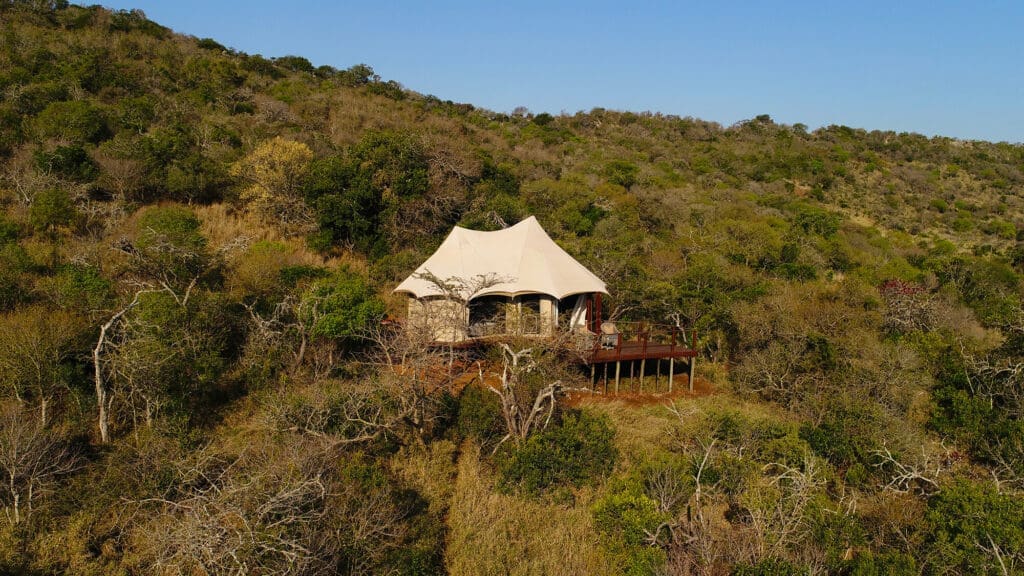
Thanda introduces a South African option to a list otherwise dominated by East and southern-central Africa. Its private reserve in northern KwaZulu-Natal supports game drives and bush walks, while accommodation ranges from lodge suites to tented options and a private villa.
Seasonality needs to be understood differently here. Thanda's own guidance identifies June, July and August as its strongest dry-season wildlife months. Rain generally begins in October, although it can arrive in September.
For that reason, Thanda should not be presented as an October equivalent to South Luangwa or northern Serengeti. Its advantage is different: it can form part of a broader South Africa itinerary, particularly for travellers combining safari with KwaZulu-Natal or other parts of the country.
Best for: travellers who want a private South African reserve rather than a migration-focused East African safari.
There is no single answer because the two months intersect several different wildlife calendars.
For the Great Migration, Singita Mara River Tented Camp provides the strongest seasonal fit in this selection, although no individual river crossing can ever be guaranteed.
For a Kenyan safari outside the Mara, Sasaab shifts the emphasis to Samburu's northern landscape and species. Chinzombo makes sense for late-dry-season South Luangwa, while Mwiba is particularly useful when private guiding and schedule flexibility matter.
In Zimbabwe, Matetsi Victoria Falls combines wildlife with the Zambezi and Victoria Falls, whereas Singita Pamushana is the more conservation-focused choice. Thanda Safari serves a different purpose again as part of a South African itinerary.
That geographic distinction is more useful than treating the best safari lodges in Africa as if they were seven versions of the same trip.