Best Red Sea Hotels in Saudi Arabia: 8 Resorts for 2026
– 6 min read

Saudi Arabia’s Red Sea coast is no longer primarily a story about hotels under construction. Six Senses Southern Dunes opened in 2023, followed by a succession of island and desert resorts, while Shura Island has moved into full operating mode. By July 2026, five hotels were open on Shura alone: SLS, The Red Sea EDITION, InterContinental, Four Seasons and Miraval.
Choosing among the best Red Sea hotels in Saudi Arabia is therefore becoming less about finding an available five-star address and more about deciding what kind of trip to take. Some resorts centre on private-island seclusion, others on restaurants and social spaces; Desert Rock shifts the setting entirely to the Hejaz Mountains, while Six Senses Southern Dunes builds much of its proposition around structured wellness.
This selection is not ranked. Each of the eight hotels below has been chosen for a different reason.
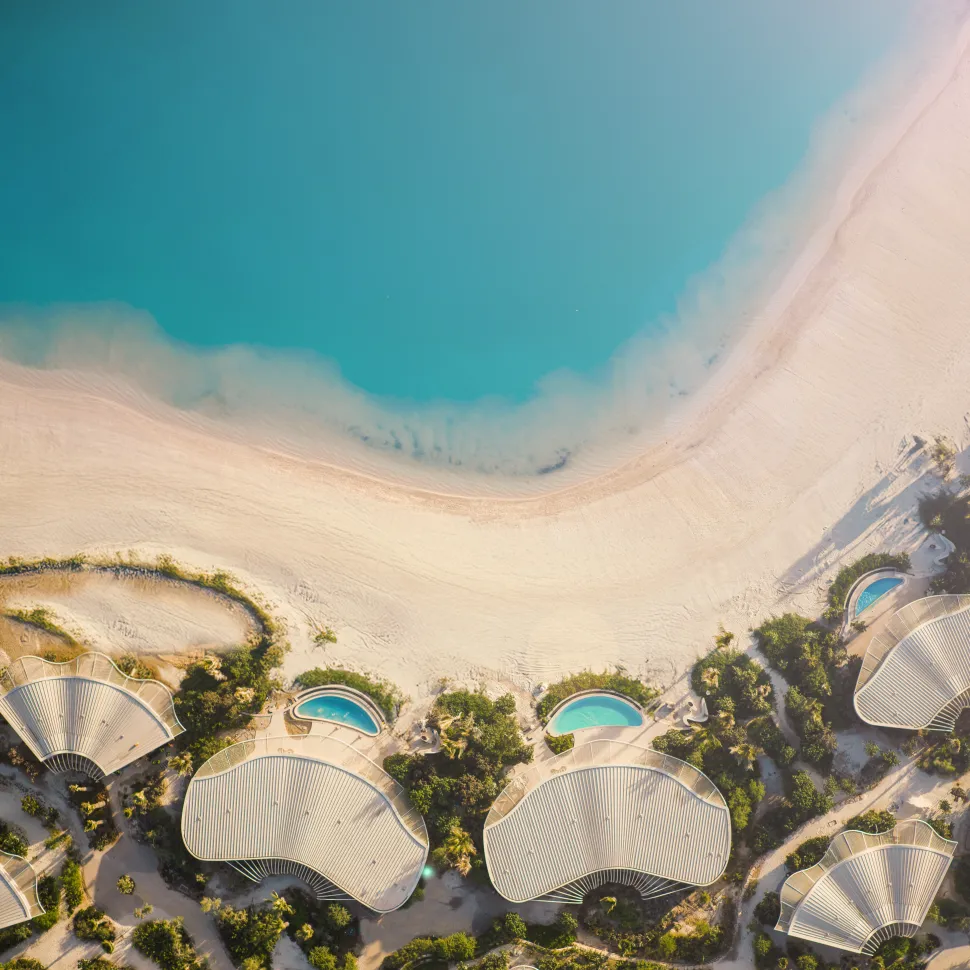
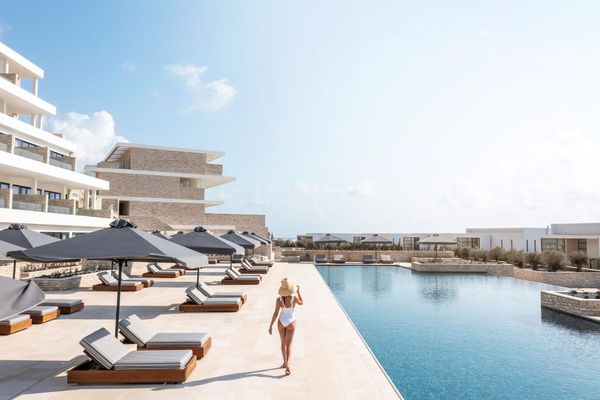
SLS was one of the significant additions to Shura Island in 2026, officially opening on 2 February. Its position is noticeably more social than several of the smaller private-island resorts: accommodation ranges from 63-square-metre rooms to one-, two-, three- and four-bedroom beachfront villas with private pools, while restaurants form a substantial part of the proposition. Fi’lia handles Italian cooking, Seabird focuses on seafood with Spanish and Portuguese references, and Floating World takes a Japanese-influenced direction. There is also Rising Stars Kids Club, so SLS is not restricted to couples or nightlife-oriented travellers. The resort operates on renewable electricity and received LEED Platinum certification in 2026.
Best suited to: travellers who want Shura Island with restaurants, activity and a more social rhythm.
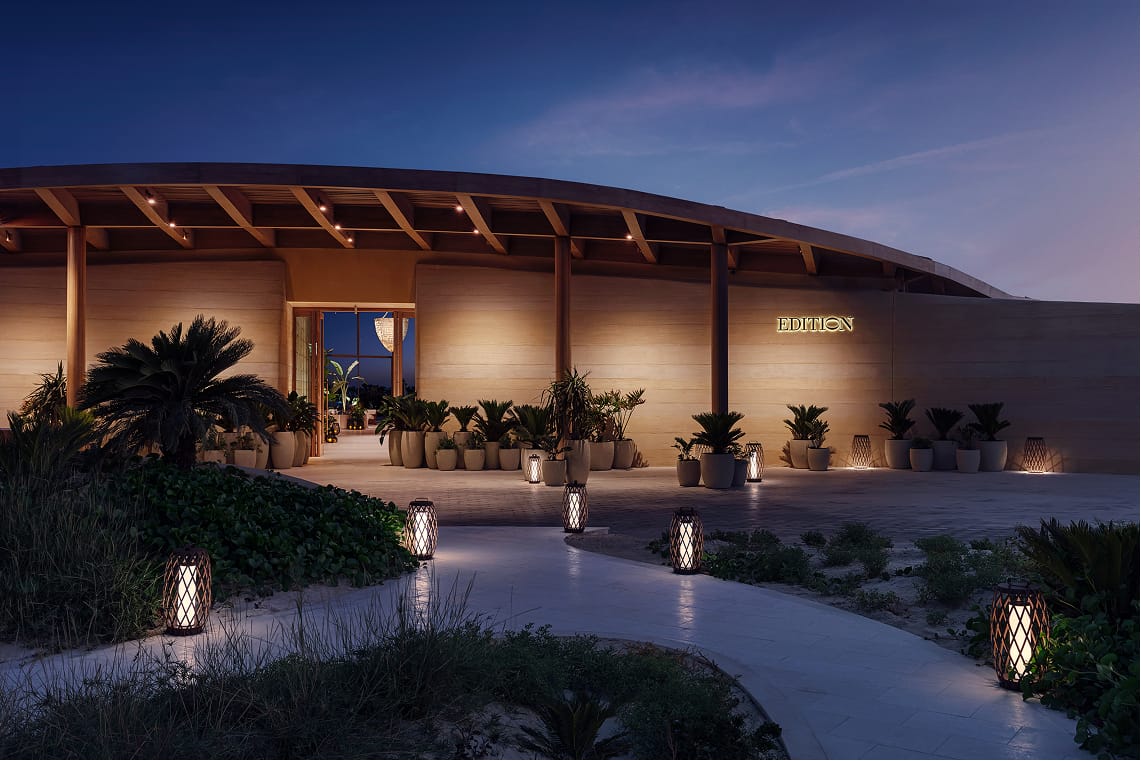
The Red Sea EDITION provides a larger-scale alternative on Shura, with 240 rooms and 53 suites. Interiors use natural oak, coral-stone flooring and a restrained palette, while some suites add private pools. The hotel is particularly relevant for travellers who want a strong design and wellness component without moving into a dedicated wellness retreat. The Spa works with Omorovicza and includes five treatment rooms, indoor and outdoor plunge pools, infrared and bio saunas, a snow shower and heated loungers. Jiwa Beach Club adds a more social element, while the gym includes reformer Pilates and indoor and outdoor training areas.
Best suited to: design-conscious couples and friends looking for a contemporary Shura Island hotel with active wellness and beach-club programming.
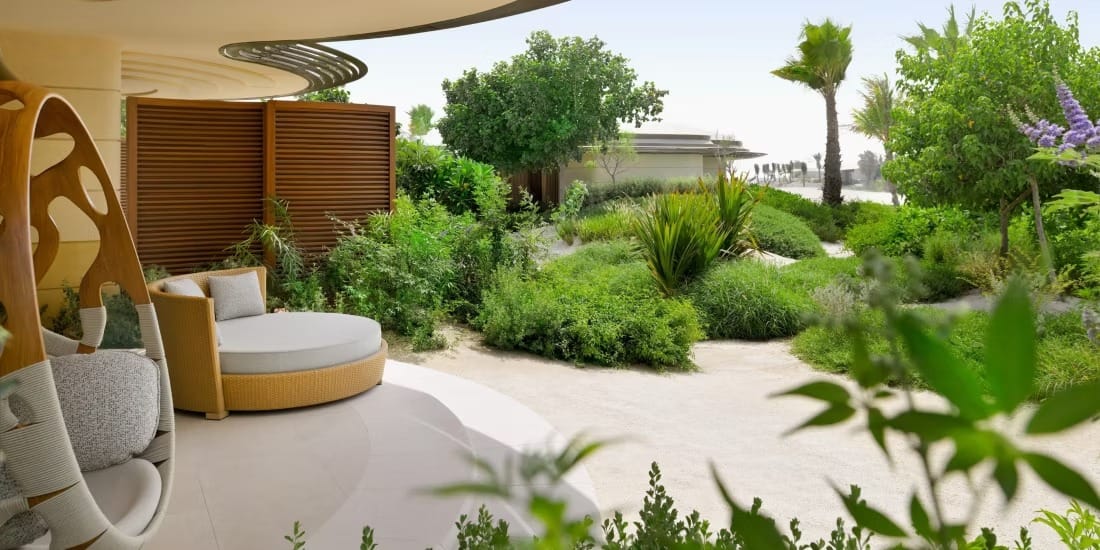
For families, InterContinental has one of the clearest propositions among the current Shura hotels. Planet Trekkers serves children aged four to 14, while the resort also has four pools and a private beach. Classic rooms start at 52 square metres; larger options extend through one- and two-bedroom suites to the 208-square-metre Red Sea Suite. Food is more differentiated than a standard resort all-day-dining programme: Darein draws on Levantine and Moroccan cooking, Ardo on South America, Chimes on Mediterranean coastal food, Murrma on coffee and pastry, and The 3O5 on Latin-American and Miami references.
Best suited to: families and multi-generational groups who need children's programming, larger accommodation and multiple dining options.
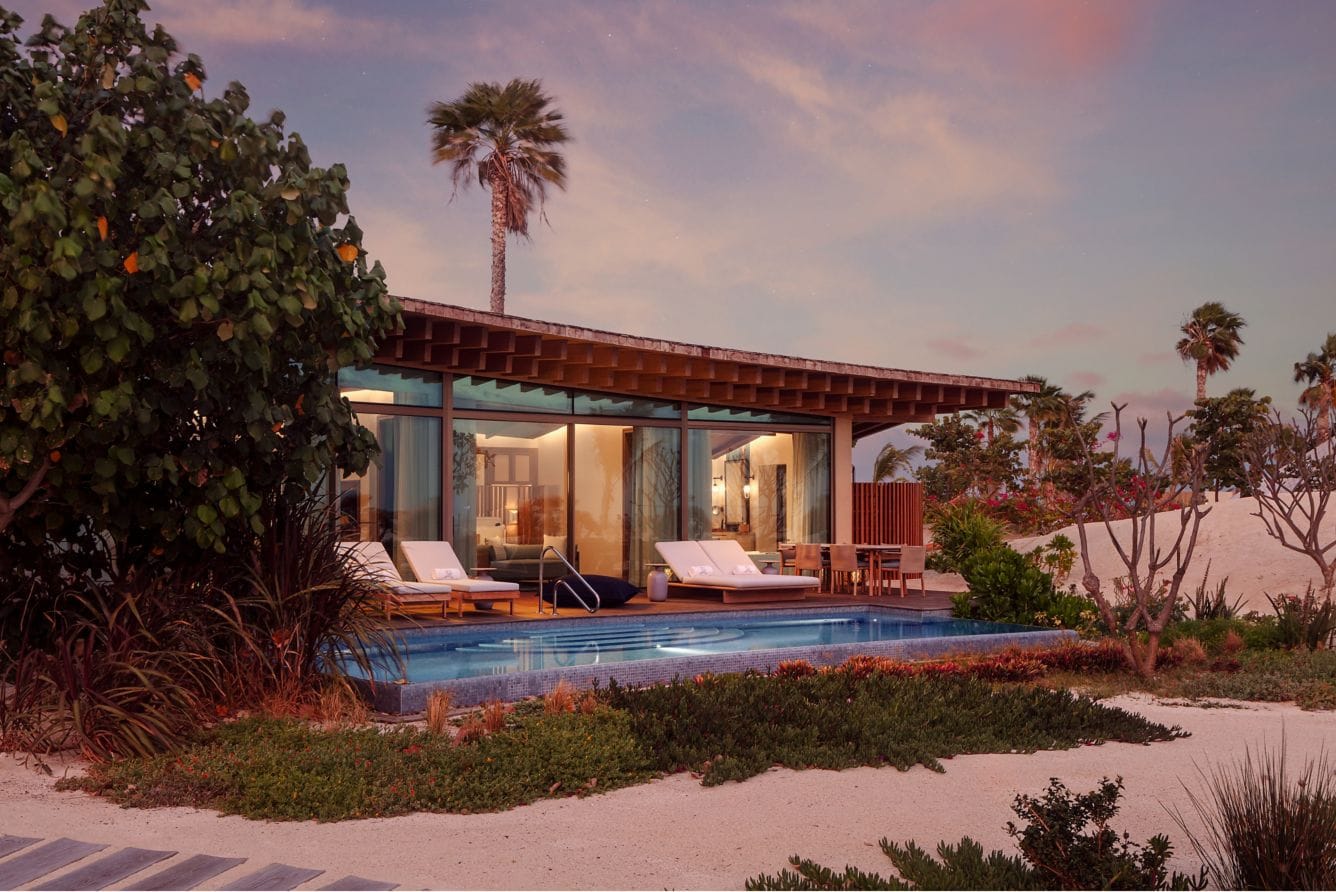
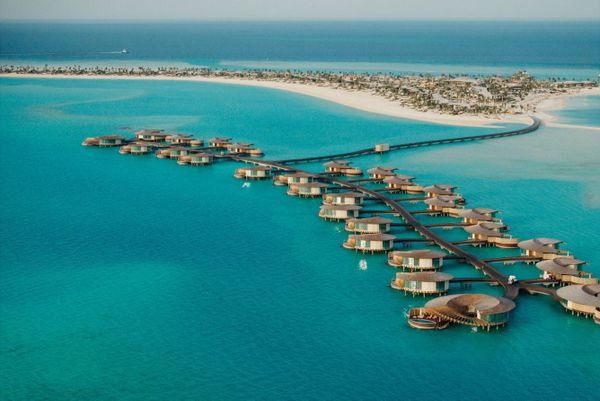
The St. Regis takes a different route from the large Shura properties. It consists of 90 beachfront and overwater villas, all with private pools, with one- to four-bedroom configurations. Kengo Kuma designed the architecture around curved forms referencing dunes and water rather than conventional resort blocks. Dune Villas sit on the sand, while Coral Villas extend over the lagoon. Dining currently includes Saudi-influenced Nesma, Japanese restaurant Gishiki 45, beachfront dining and the St. Regis Bar, alongside the brand’s butler service. For travellers who prefer an established service model but do not want a conventional hotel building, this is one of the clearest options in the destination.
Best suited to: couples and families wanting an all-villa private-island resort with a familiar international service structure.
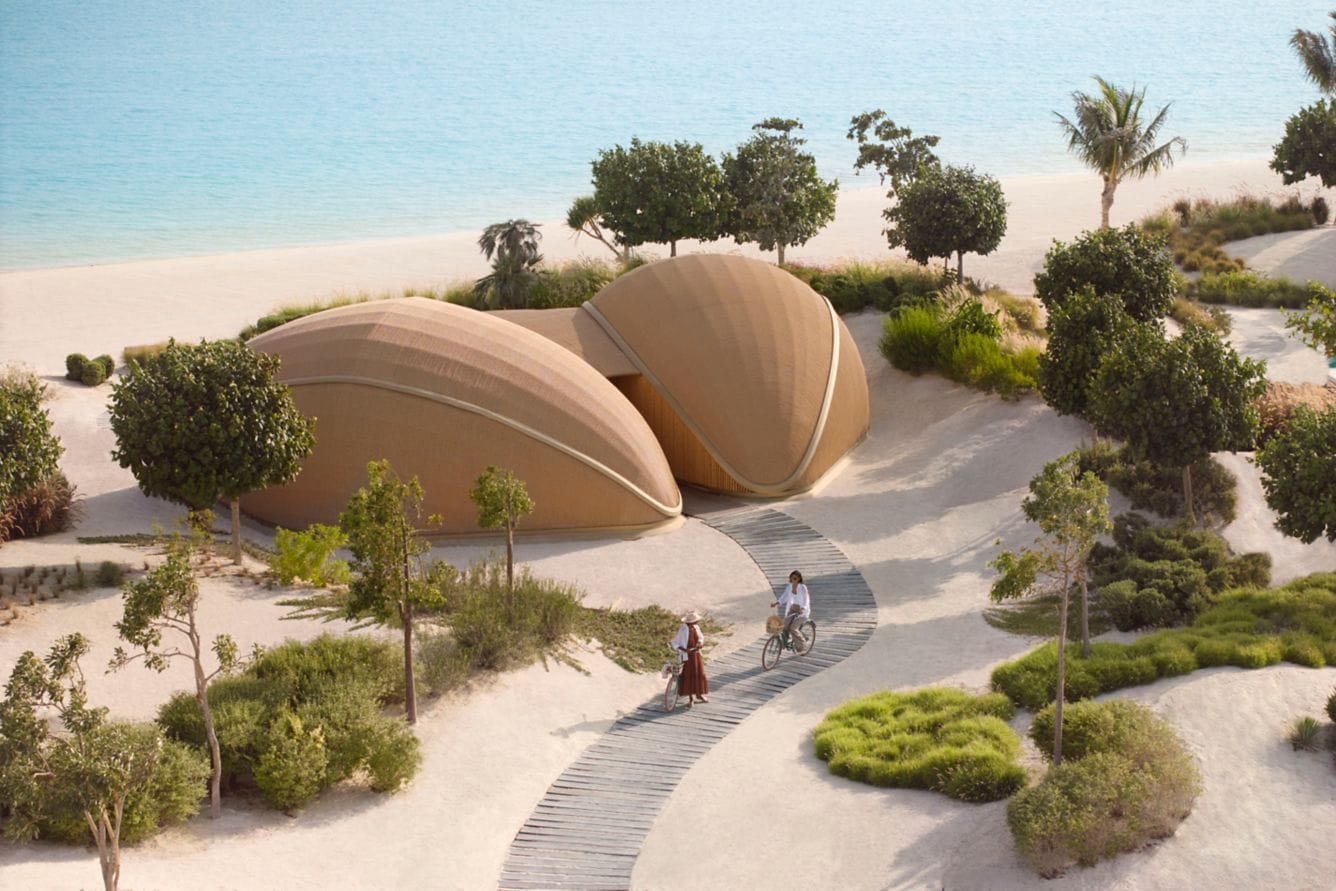
Nujuma is worth considering for travellers interested in a smaller-scale resort where Saudi culture appears more explicitly in the food and programming. Sita combines a Levantine restaurant, French-style patisserie, spice library and large clay oven; Tabrah interprets the fishing traditions of the Red Sea, while Maia links its non-alcoholic drinks programme to astronomy. The wellness side is similarly substantial: Neyrah Spa includes sea-view treatment rooms, vitality and lap pools, hammam facilities and a wellness-butler programme. Villas come with private pools and kitchenettes, making private dining practical rather than merely ceremonial.
Best suited to: travellers prioritising privacy, food and a stronger regional cultural reference.
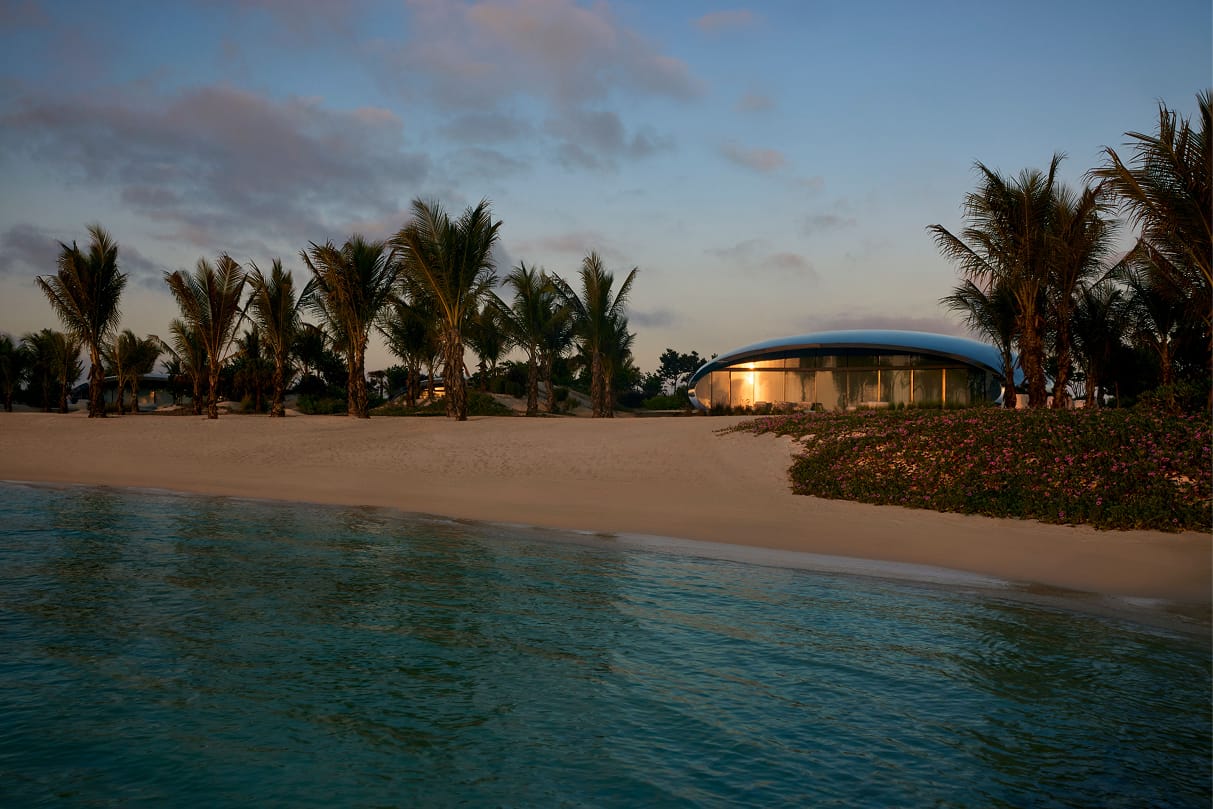
At Shebara, the architecture is a principal reason to book. The stainless-steel overwater villas form a line of reflective structures designed to pick up the changing colours of sea and sky rather than visually dominate the lagoon. Accommodation includes one- and two-bedroom overwater villas as well as larger beachfront villas and villa ensembles; private pools are standard across the principal categories. The current restaurant programme includes Lunara, which draws on Levantine and Saudi food traditions, alongside more specialised evening dining. Unlike resorts where design is largely an interiors story, Shebara’s defining visual element is visible before guests enter the villa.
Best suited to: architecture-led trips, couples and travellers who place design high on the hotel-selection criteria.
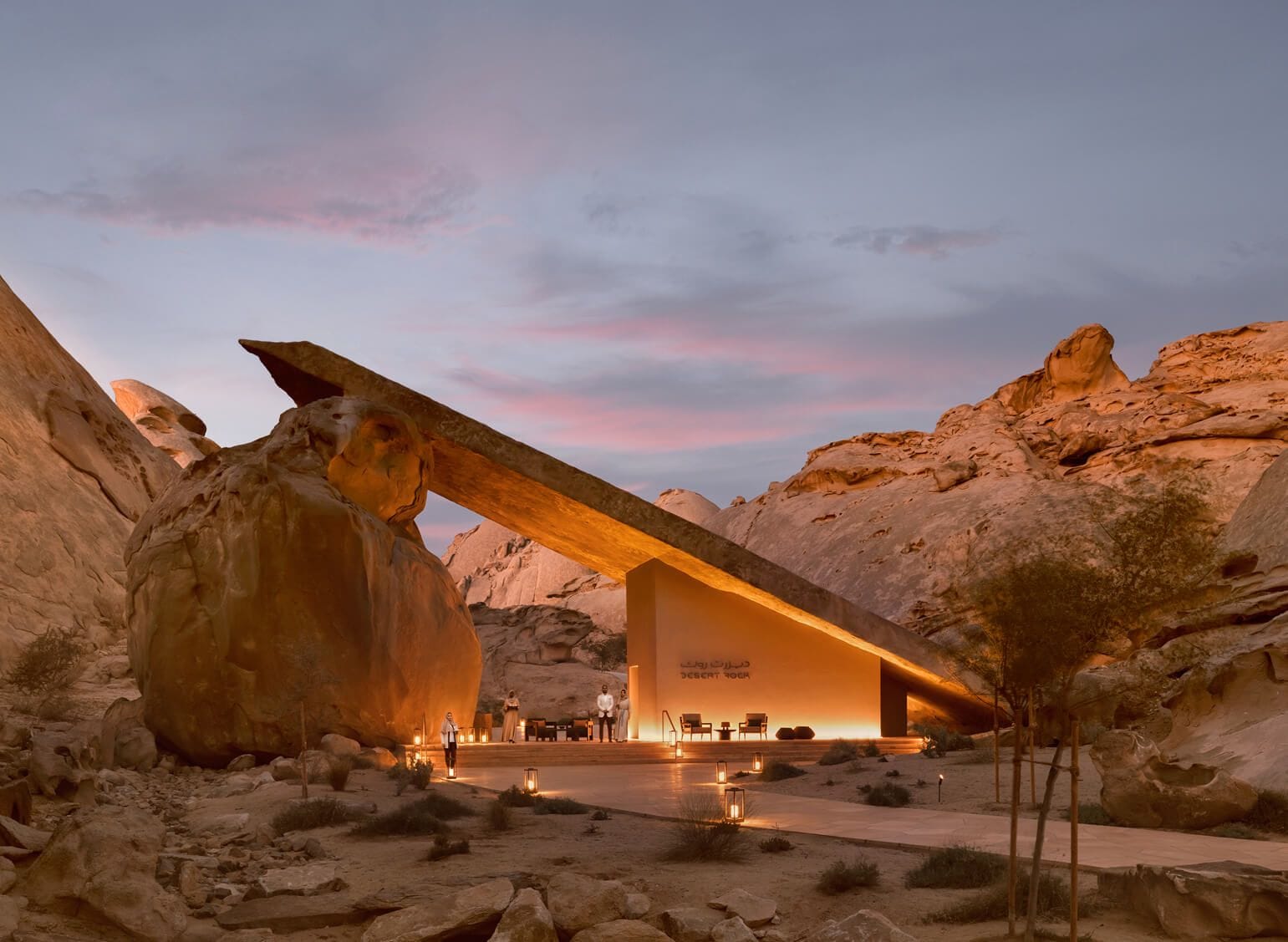
Desert Rock changes the geography of the trip. Around 20 minutes by road from Red Sea International Airport, the resort is integrated into the Hejaz Mountains rather than positioned on an island. Villas and suites are inserted into wadis, cliffs and rock formations, while activities include a guided via ferrata. Food is also a reason to pay attention. Nyra is led by chef Osman Sezener and works with wood fire, smoking, curing and locally sourced ingredients; MICA extends some of those fermentation and preservation techniques into a non-alcoholic bar programme. For travellers dividing a Red Sea itinerary between coast and inland landscape, Desert Rock provides the most obvious contrast.
Best suited to: architecture, hiking and active travel rather than a conventional beach stay.
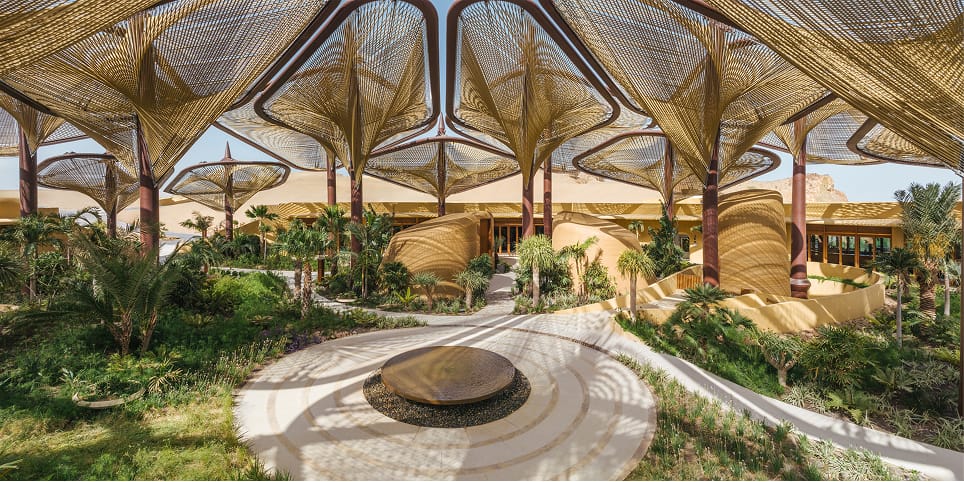
Six Senses Southern Dunes is the clearest wellness-led choice in this selection. The inland resort has 36 rooms and suites and 40 private-pool villas, set against desert and mountain terrain rather than the coast. Its 3,974-square-metre spa includes treatment rooms, cold pools, a meditation dome, outdoor treatment cabanas and a Holistic Anti-Aging Center. Food also references the location: Al Sarab draws on Saudi and wider Middle Eastern cooking, while a Cooking School and Chef’s Table are used to explore regional gastronomy. This is less about adding a spa treatment to a beach holiday and more about building wellness into the structure of the stay.
Best suited to: wellness-focused travellers and anyone combining The Red Sea with an inland desert itinerary.
The best Red Sea hotels in Saudi Arabia now cover several distinct forms of travel. SLS works for a more social Shura stay; EDITION for design and active wellness; InterContinental for families; St. Regis for all-villa branded service; Nujuma for privacy and regional cultural references; Shebara for architecture; Desert Rock for mountains and activity; and Six Senses Southern Dunes for structured wellness.
That distinction matters more than ranking them. The Red Sea is developing into a multi-location destination, and the hotel increasingly determines not just where travellers sleep, but what kind of landscape and daily routine define the trip.